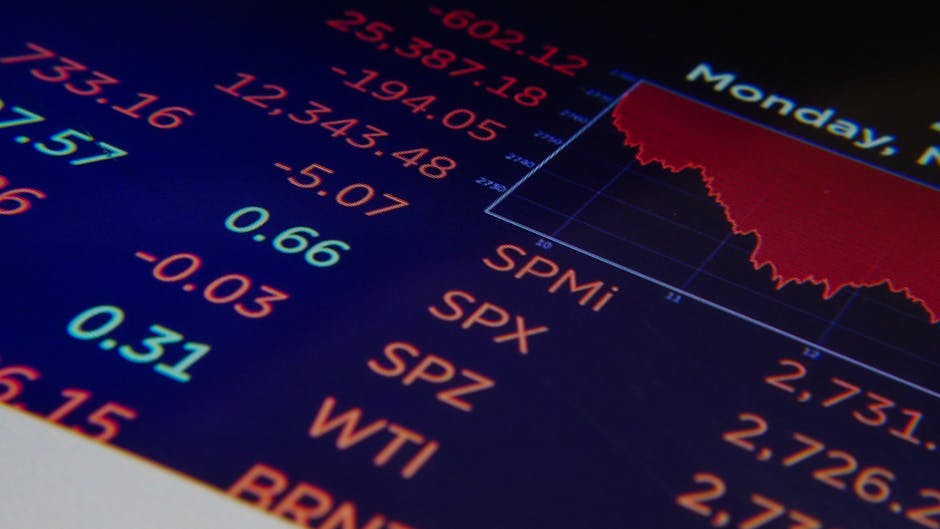
- Donald Trump’s surprise reversal on Iran sanctions sent oil prices plummeting, easing fears of a military clash.
- Brent crude dropped nearly 7% in hours, while West Texas Intermediate fell to $81 per barrel.
- Shipping rates for vessels traversing the Persian Gulf declined by over 30%, and insurance costs normalized.
- The market’s swift response indicated a shift from panic buying to calm, with traders reevaluating global supply chains.
- Trump’s diplomatic overture hinted at a possible thaw in US-Iran relations, sparking a recalibration of energy market dynamics.
On a tense morning in early spring, oil traders in London and Houston watched their screens with bated breath as Brent crude surged past $90 a barrel. Fears of a military clash between the United States and Iran had sent shockwaves through global markets, triggering panic buying and supply chain alerts across Asia and Europe. Tanker premiums soared, insurers balked at Gulf transits, and refineries began drawing from reserves. But by midday, the mood shifted abruptly. News broke that Donald Trump, in a surprise diplomatic overture, had instructed his administration to ease sanctions on Iranian oil exports—effectively rolling back a key pillar of his own 2018 ‘maximum pressure’ campaign. The reversal, confirmed by senior officials speaking anonymously to Reuters, sent crude prices tumbling and eased the specter of war that had loomed over the Strait of Hormuz.
Markets Respond to De-escalation Signals

The immediate aftermath of Trump’s policy reversal was a swift recalibration across energy markets. Within hours, Brent crude dropped nearly 7%, settling around $84 per barrel, while West Texas Intermediate fell to $81. Shipping rates for vessels traversing the Persian Gulf declined by over 30%, and insurance costs for oil tankers began to normalize. Analysts at Goldman Sachs noted that the market had priced in a 40% chance of armed conflict just days earlier—an estimate now slashed to below 15%. The U.S. Energy Information Administration reported a noticeable dip in global risk premiums, attributing the shift to what it called ‘unexpected diplomatic flexibility’ from the former administration. Even OPEC officials, traditionally cautious about U.S. policy swings, welcomed the move, with one delegate stating privately that ‘containment through dialogue beats the chaos of confrontation.’
From Maximum Pressure to Strategic Retreat

This sudden pivot marks a stark reversal from the approach Trump championed during his first term. In 2018, his administration unilaterally withdrew from the Iran nuclear deal (JCPOA) and reimposed sweeping sanctions aimed at reducing Iranian oil exports to zero. The strategy, dubbed ‘maximum pressure,’ led to a sharp decline in Tehran’s oil revenues and triggered retaliatory attacks on Saudi facilities and Gulf shipping. By 2019, the region teetered on the brink of war after the U.S. drone strike that killed Iranian General Qasem Soleimani. Yet, behind closed doors, some Trump advisers had long questioned the policy’s sustainability. According to a 2021 memo declassified in 2023, National Security Council officials warned that sanctions alone would not force regime change and risked entangling the U.S. in an unwinnable conflict. The current shift appears to reflect a belated acceptance of that assessment—a pragmatic retreat masked as strategic diplomacy.
The Architects of the Pivot

The reversal did not emerge in isolation. Key figures in Trump’s orbit, including former Secretary of State Mike Pompeo and close advisor Jason Miller, have recently advocated for a recalibrated Middle East strategy focused on countering China rather than policing regional rivalries. Trump himself, campaigning for a 2024 return to the White House, has emphasized economic stability over military intervention, telling supporters in Ohio that ‘we’ve wasted trillions on endless wars while our borders crumble.’ His evolving stance mirrors a broader realignment among Republican foreign policy thinkers who now view energy independence and great-power competition as more pressing than Middle East entanglements. Meanwhile, backchannel communications facilitated by Gulf intermediaries—particularly from Oman and Kuwait—helped lay the groundwork for the sanctions relief, suggesting that quiet diplomacy, not grand summits, drove the change.
Implications for Global Energy and Security

The consequences of this shift ripple across geopolitical and economic landscapes. For energy-importing nations like India and South Korea, the return of Iranian crude offers cheaper, diversified supply sources. European refiners, already under strain from reduced Russian flows, may benefit from renewed access to medium-grade oil. But the move also risks alienating key U.S. allies. Saudi Arabia and Israel, both staunch opponents of Iranian regional influence, have expressed concern over Washington’s apparent softening. In Tehran, the sanctions relief bolsters hardliners who argue that resistance, not negotiation, forces Western concessions. Moreover, the inconsistency in U.S. policy undermines long-term strategic credibility, making future deterrence efforts more difficult. As the International Energy Agency noted, ‘markets thrive on predictability—geopolitical whiplash erodes trust.’
The Bigger Picture
This episode underscores a broader transformation in global conflict dynamics: the growing entanglement of energy markets and military brinkmanship. As climate pressures and technological shifts reshape energy systems, oil remains a potent weapon of statecraft. Yet, the volatility witnessed in recent weeks reveals the fragility of deterrence in an interconnected world. When a single policy reversal can calm markets overnight, it raises urgent questions about how much of global stability hinges on the whims of political figures. In an era defined by populist leadership and rapid information cycles, the line between crisis and calm has never been thinner.
What comes next remains uncertain. While the immediate threat of conflict has receded, the underlying tensions between Iran and the U.S. persist. Diplomatic channels remain informal and fragile. Still, the market’s swift response offers a lesson: the promise of dialogue, however tentative, carries more weight than the rhetoric of confrontation. As negotiations—official or otherwise—continue behind the scenes, the world watches not just for peace, but for the quiet signals that determine whether energy flows freely or fuels the next crisis.
Source: The New York Times