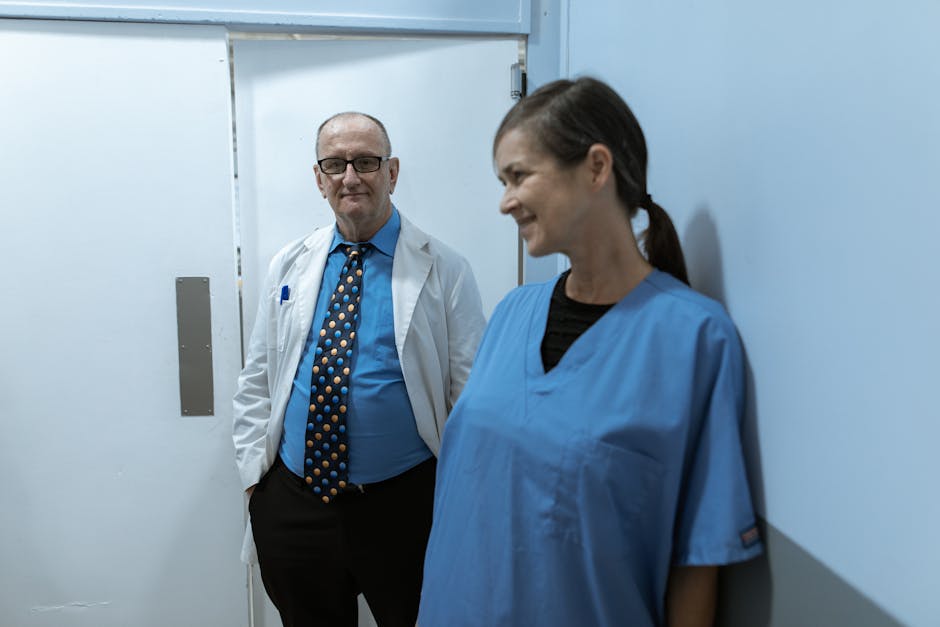
- Many professionals spend most of their time on mundane tasks, contradicting public perception.
- Administrative tasks like grant writing and data management often overshadow exciting work in various fields.
- The disparity between perceived glamour and actual tasks is not unique to any one profession.
- Understanding the nuances of each profession is crucial to appreciating the true nature of professional work.
- Professionals often dedicate a significant amount of time to tasks that are far removed from their public image.
As the saying goes, “70% of baking is washing dishes and measuring,” highlighting the disparity between the perceived glamour of a profession and the mundane tasks that actually occupy most of the time. This phenomenon is not unique to baking, as many specialties suffer from a similar misconception. The question on everyone’s mind is: what tasks do professionals in various fields actually spend most of their time doing, and how does it differ from public perception?
Uncovering the Reality of Time Allocation

The answer lies in the intricacies of each profession, where the bulk of time is often devoted to tasks that are far removed from the exciting, high-profile work that the public imagines. For instance, a software engineer might spend more time debugging code and attending meetings than actually writing new code, while a medical researcher might dedicate a significant amount of time to grant writing and data management rather than conducting experiments. Understanding these nuances is essential to appreciating the true nature of professional work.
Evidence from Various Fields

Studies and expert testimonials confirm this trend. According to a report by Nature, scientists spend a substantial amount of time on administrative tasks, such as writing grants and managing budgets, rather than on actual research. Similarly, a survey by the World Health Organization found that doctors often spend more time on paperwork and bureaucracy than on direct patient care. These examples illustrate the significant disparity between public perception and reality.
Counter-Perspectives and Exceptions

Not all professionals agree with this assessment, and some argue that their work is indeed focused on the high-profile tasks that the public imagines. For example, a surgeon might claim that the majority of their time is spent in the operating room, while a journalist might argue that they spend most of their time conducting interviews and writing articles. However, even in these cases, there are often behind-the-scenes tasks, such as preparation and follow-up work, that consume a significant amount of time. Additionally, some professionals may be more efficient or have better support systems, allowing them to allocate their time more effectively.
Real-World Impact and Consequences

The mismatch between perceived and actual tasks has significant implications for professionals, organizations, and society as a whole. For instance, if the public overestimates the amount of time spent on high-profile tasks, they may have unrealistic expectations about what professionals can accomplish. This can lead to disappointment, frustration, and even burnout among professionals. Furthermore, understanding the true nature of professional work can inform education and training programs, helping to prepare future generations for the realities of their chosen careers.
What This Means For You
So, what can you take away from this insight? If you’re considering a career in a particular field, it’s essential to look beyond the glamour and excitement of the job and understand the day-to-day tasks that actually occupy most of the time. This will help you make a more informed decision and set realistic expectations about what the job entails. Moreover, being aware of the potential for a mismatch between perceived and actual tasks can help you develop a more nuanced understanding of the professionals you interact with, whether it’s your doctor, teacher, or software developer.
As we continue to navigate the complexities of various professions, one question remains: what task would you need to be at least neutral about to succeed in your position? Is it the mundane data entry, the high-stakes decision-making, or something else entirely? The answer may vary depending on the specialty, but one thing is clear: developing a deep understanding of the true nature of professional work is essential for success, satisfaction, and making informed decisions about our careers and lives.
Source: Reddit