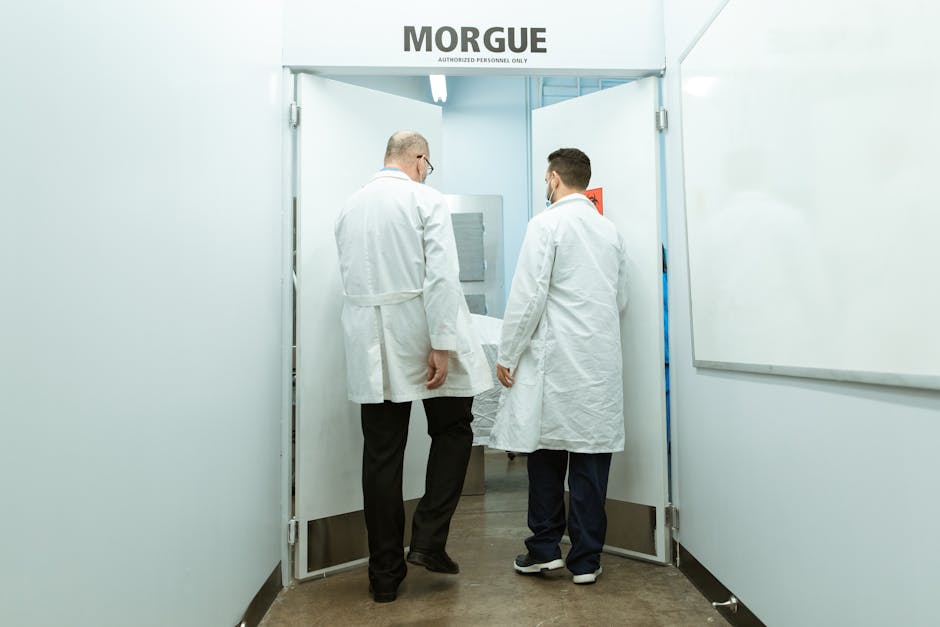
- Resident doctors in England, known as junior doctors, are demanding better pay and working conditions due to high inflation and unsustainable workloads.
- Junior doctors in high-cost areas earn up to £41,859, but their actual hourly pay can be below the UK’s minimum wage when adjusting for overtime and unpaid hours.
- The British Medical Association (BMA) reports that real-terms pay for junior doctors has dropped by nearly 26% since 2008 due to inflation and pay freezes.
- Junior doctors in England often work 50-80 hours per week, including nights, weekends, and on-call duties, exacerbating burnout and safety concerns.
- The National Health Service (NHS) is struggling to retain its next generation of physicians without meaningful reform to address these issues.
Why are resident doctors in England walking off the job, yet again? After 15 separate strike actions in a protracted labor dispute, the question isn’t just about pay — it’s about sustainability. With inflation eroding salaries, workweeks routinely exceeding 60 hours, and patient safety concerns mounting, junior doctors are demanding recognition of their deteriorating conditions. While they’re technically paid a salary, many argue it translates to well below minimum wage when adjusted for actual hours worked. Their return to work after the latest walkout hasn’t resolved the core issue: can the UK’s National Health Service retain its next generation of physicians without meaningful reform?
\n\n
What Are Resident Doctors Paid in England?

\n
Resident doctors — known in the UK as junior doctors — start with a basic salary of £32,398 outside London and up to £41,859 in high-cost areas with additional supplements. This increases with experience, reaching up to £49,000 by their late training years. However, these figures are misleading without context. Many residents work 50 to 80 hours per week, often including nights, weekends, and on-call duties. When calculated hourly, their pay can fall beneath the UK’s minimum wage, especially when unpaid overtime is factored in. The British Medical Association (BMA) has emphasized that real-terms pay has dropped by nearly 26% since 2008 due to inflation and frozen or below-inflation pay increases, making recruitment and retention increasingly difficult in key specialties.
\n\n
What Evidence Supports the Doctors’ Pay Claims?

\n
Data from the British Medical Association shows that junior doctor salaries have failed to keep pace with both inflation and those in comparable professions. A 2023 survey found that 72% of resident doctors reported working unpaid overtime, averaging 11 additional hours per week. This translates to effective hourly rates as low as £10.50 — below England’s National Living Wage for those over 23. International comparisons further highlight the disparity: first-year resident physicians in the US earn the equivalent of £55,000 to £65,000, while Canadian residents average around £45,000 with stronger work-hour protections. In a BBC report, one London-based junior doctor described surviving on instant noodles and relying on family support to afford rent, despite working 96-hour stretches during peak rotations.
\n\n
What Do Critics Say About the Strikes?

\n
While public support for junior doctors remains relatively high, some health policy experts and government officials argue that strikes disrupt patient care and undermine trust in the medical profession. The UK government has maintained that its pay offers — including a 6% raise over two years — are fiscally responsible amid broader public spending constraints. Critics also point out that junior doctors still earn above the national median salary of £34,963, making their demands appear less urgent in comparison. Some commentators suggest that systemic underfunding of the NHS, rather than individual pay, is the root issue, and that industrial action distracts from long-term solutions. Additionally, there’s concern that prolonged disputes could worsen staff burnout and delay elective care, affecting vulnerable patients the most.
\n\n
What Is the Real-World Impact of the Dispute?

\n
The strikes have already led to the cancellation of over 700,000 appointments and procedures across England. While emergency care remains protected, routine surgeries and specialist consultations have been postponed, increasing waiting times in a system already burdened by record NHS backlogs. Beyond logistics, the dispute is affecting morale and career decisions. A 2024 Royal College of Physicians survey revealed that 44% of junior doctors are considering leaving the NHS within five years, with many eyeing opportunities abroad in Australia, New Zealand, or Canada. Training pipelines in fields like emergency medicine and general practice are now at risk, threatening future healthcare capacity. The industrial action has also sparked wider conversations about valuing public sector workers, especially in essential services.
\n\n
What This Means For You
\n
If you rely on the NHS — whether for a routine check-up or specialized treatment — the junior doctor strikes signal longer waits and potential disruptions to care. More broadly, the dispute reflects a growing crisis in how society compensates essential workers during a cost-of-living emergency. For aspiring doctors, it raises questions about entering a profession marked by high stress and stagnant pay. And for taxpayers, it prompts a reckoning: can a national health system remain sustainable if its workforce is overworked and underpaid? The outcome of this conflict may shape the future of public healthcare in the UK for decades.
\n\n
Will the government and medical leaders find a compromise that balances fair pay with fiscal responsibility, or will the NHS face a deeper staffing exodus? And as health systems worldwide grapple with similar pressures, what lessons can be drawn from England’s struggle to retain its resident physicians?
Source: BBC