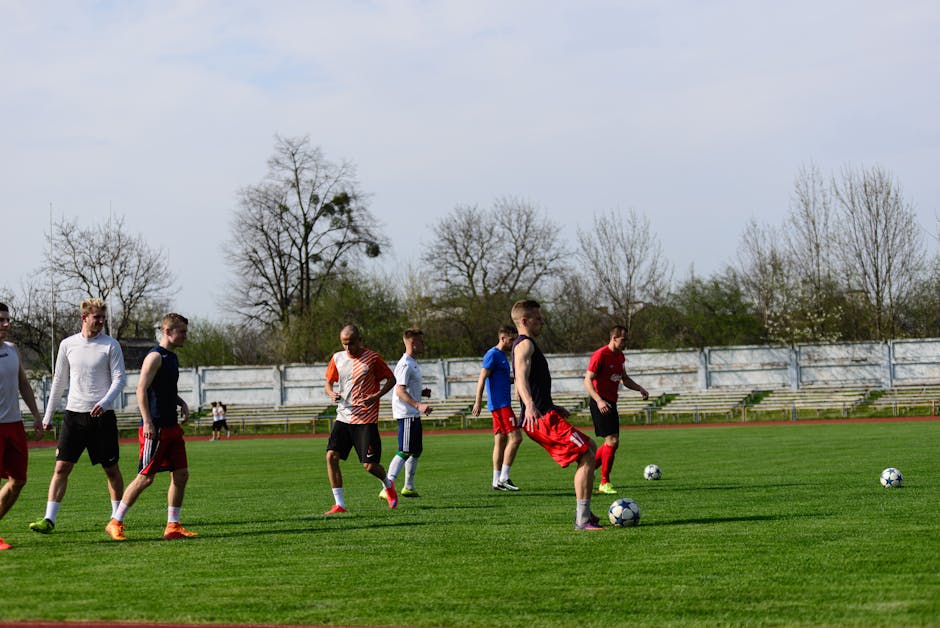
- A training drill at Real Madrid’s Valdebebas complex turned violent, sparking a near-physical confrontation between players and coaches.
- Federico Valverde accused teammate Aurélien Tchouaméni of failing to cover a passing lane during a possession drill.
- The incident highlights the intense pressure and high stakes within one of football’s most decorated clubs.
- The public display of tension and anger is a rare glimpse into the normally private world of Real Madrid’s training sessions.
- Manager Carlo Ancelotti intervened to calm the situation, but the incident has left the team’s dynamics in question.
The crisp morning air at Real Madrid’s Valdebebas training complex usually carries the rhythm of passing drills and coaches’ instructions, a well-oiled machine preparing for weekend glory. But on this Wednesday, the soundtrack shifted abruptly—raised voices, players stepping between teammates, and an eerie stillness as the session briefly halted. Federico Valverde, arms flailing, stood inches from Aurélien Tchouaméni, his face contorted in anger. Teammates quickly intervened, forming a human barrier as manager Carlo Ancelotti stormed onto the pitch. What began as a routine positional drill had exploded into a near-physical confrontation, a rare public crack in the armor of one of football’s most decorated clubs. Cameras from Spanish outlets like Marca captured the aftermath: tension in body language, averted gazes, and the unnerving silence of a team suddenly aware their private world had spilled into view.
The Training Ground Erupts

According to reports from BBC Sport, the confrontation occurred during a high-intensity possession drill meant to sharpen defensive transitions. Valverde, known for his relentless work rate and aggressive pressing, appeared to accuse Tchouaméni of failing to cover a passing lane, leaving Real Madrid exposed to a simulated counterattack. The exchange escalated rapidly, with Valverde gesturing angrily and shouting, prompting Tchouaméni to step forward, jaw clenched. Witnesses say the central midfielder pushed Valverde away after being grabbed by the jersey, triggering a moment where both players squared off, only to be separated by Vinícius Júnior and Jude Bellingham. Ancelotti immediately called a halt to the session, pulling both players aside for a private conversation. Training resumed 20 minutes later, but the mood remained visibly strained, with fewer shouts and more cautious interactions. The club has not issued an official statement, but sources inside the dressing room confirm that the incident has become a quiet but persistent undercurrent in recent team meetings.
Roots of the Rivalry

While the immediate trigger was tactical, the tension between Valverde and Tchouaméni has simmered beneath the surface for months. Since Tchouaméni’s arrival from Monaco in 2022 for a reported €80 million, his role has evolved from defensive shield to a more static, deep-lying presence—a shift that sometimes clashes with Valverde’s dynamic, box-to-box style. Under Ancelotti, the team has oscillated between formations, often leaving Tchouaméni as the sole pivot while Valverde operates further forward. This imbalance has led to mismatches in defensive coverage, particularly in games against high-pressing sides like Manchester City and Atlético Madrid. In last season’s Champions League semifinal, critics pointed to a lack of coordination between the two as a key factor in Real Madrid’s exit. Off the pitch, their personalities diverge sharply: Valverde, a Uruguayan with a fiery, expressive demeanor, contrasts with Tchouaméni’s reserved, almost stoic French professionalism. These differences, once complementary, now appear to be fraying under the pressure of Real Madrid’s relentless title expectations.
Leadership in Crisis

The confrontation has placed immense pressure on Ancelotti, returning for his second stint with a mandate to balance youth and experience. Known for his calm demeanor and man-management skills, even he appears unsettled by the growing friction. Captain Nacho Fernández, thrust into a leadership role after Karim Benzema’s departure, has reportedly held informal talks with both players, urging unity. Meanwhile, younger stars like Bellingham and Vinícius are watching closely, their integration into the club’s culture now influenced by how this conflict is resolved. Ancelotti’s handling of the situation could define the remainder of his tenure. Past Real Madrid squads weathered internal strife—the Galácticos era was no stranger to ego clashes—but those were often managed through success on the pitch. With the team currently trailing La Liga leaders Barcelona by five points and facing a crucial Copa del Rey tie, there is little margin for distraction. The players involved have remained publicly silent, but sources suggest Valverde feels Tchouaméni lacks the intensity required in transition moments, while Tchouaméni resents being singled out for systemic defensive lapses.
Consequences on the Pitch

If unresolved, the rift could have tangible consequences for Real Madrid’s performance. Midfield cohesion is the foundation of Ancelotti’s system, and any breakdown in understanding between Valverde and Tchouaméni risks exposing the defense to quick counters. Analysts at The Guardian have noted a decline in Real Madrid’s pressing efficiency in away matches this season, particularly in the final 20 minutes when fatigue sets in. There is also the psychological toll: teammates may hesitate to confront one another in future, eroding the accountability that defines elite teams. More broadly, the incident fuels narratives of a squad in transition, struggling to maintain the dominance that defined their previous Champions League triumphs. Sponsors, fans, and board members are watching closely, aware that locker room harmony often translates directly into results.
The Bigger Picture
This incident is more than a personal spat—it reflects the immense pressure baked into Real Madrid’s identity. The club doesn’t just compete for titles; it is expected to do so with elegance, unity, and inevitability. Any deviation becomes a story. In an era where sports psychology and team dynamics are scrutinized as closely as tactics, even a single training ground flare-up can symbolize deeper instability. Other European giants, from Manchester United to Bayern Munich, have faced similar internal fractures, often preceding prolonged downturns. Real Madrid’s ability to absorb and resolve this conflict may ultimately matter more than any single result.
What comes next will hinge on Ancelotti’s leadership and the willingness of both players to step back from the edge. A private resolution may calm the immediate storm, but the underlying questions about roles, intensity, and balance in midfield remain. With the Clásico on the horizon and Champions League knockout football approaching, time is running short. The echoes of that heated drill at Valdebebas may yet ripple through the season’s most critical moments.
Source: Marca