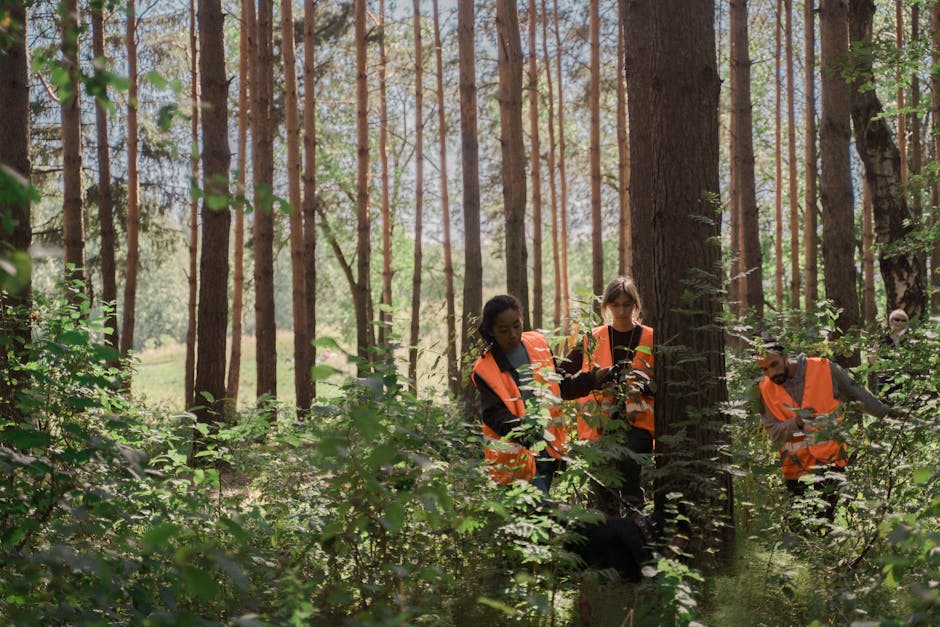
- The search for Denise Ann Williams ended after six days in Cape Breton Highlands National Park with no signs of the hiker.
- The Royal Canadian Mounted Police (RCMP) suspended the search due to a lack of new evidence or sightings.
- Over 100 personnel, including search and rescue volunteers, were involved in the six-day operation.
- The search spanned 120 square kilometers of dense forest, steep cliffs, and fog-shrouded highlands.
- Despite extensive resources, officials reported no trace of Williams, including personal belongings or campsite remains.
At dawn on a mist-laced ridge in Cape Breton Highlands National Park, the silence is broken only by the cry of a raven and the rustle of wind through black spruce. Just beyond the tree line, where the highlands plunge into the churning North Atlantic, the land turns jagged and unforgiving. This is where Denise Ann Williams, a 54-year-old hiker from Brisbane, was last seen setting off along the Skyline Trail. It was May 1, 2026—a day marked by fleeting sunshine and sudden squalls. Now, six days later, the search has ended. No footprints, no gear, no distress signal. Only the echo of uncertainty remains in a wilderness that has, for centuries, kept its secrets well.
Search Operations Called Off Amid Stalled Clues

On May 7, 2026, the Royal Canadian Mounted Police (RCMP) officially suspended the search for Denise Ann Williams, citing a lack of new evidence or sightings after an intensive six-day operation in one of Canada’s most remote and rugged national parks. The effort, which spanned over 120 square kilometers of dense forest, steep cliffs, and fog-shrouded highlands, involved more than 100 personnel, including search and rescue volunteers, K-9 units, helicopters, and drones equipped with thermal imaging. Despite these resources, officials reported no trace of Williams—no personal belongings, no campsite remains, and no credible sightings. “We have exhausted all immediate investigative leads,” said RCMP spokesperson Inspector Laura McNeil in a press statement. “Without new information, continuing the search would not be safe or effective.” Families of missing persons are often left in agonizing limbo when searches are suspended, and this case is no exception.
The Disappearance That Ignited a Massive Response

Williams, an experienced hiker with documented treks in New Zealand and Tasmania, had been on a solo backpacking trip through the Maritimes when she entered Cape Breton Highlands National Park, a UNESCO-designated landscape known for its dramatic cliffs and unpredictable weather. Park records indicate she registered at the Ingonish Visitor Centre on April 30 and planned a two-night loop along the Skyline and Acadian Trails. She was expected to reappear on May 2, but failed to check out. When rangers conducted a trail sweep the following day, they found her abandoned backpack near a creek crossing, containing her phone, wallet, and rain gear—but no note or sign of struggle. The alarm was raised, and by May 3, a full-scale search was underway. The terrain, however, proved a formidable barrier: steep ravines, dense fog, and frequent communications blackouts hampered coordination between teams. Cape Breton Highlands National Park is renowned for its scenic beauty, but also its danger to unprepared hikers.
Who Was Denise Ann Williams?

Denise Ann Williams was a high school biology teacher from Brisbane’s northern suburbs, known among friends and colleagues for her quiet determination and love of the outdoors. A single mother of one, she had taken a sabbatical to travel through eastern Canada after 22 years in the classroom. Colleagues described her as meticulous and cautious—someone who carried GPS devices, emergency beacons, and satellite phones on past trips. “Denise didn’t take risks,” said longtime friend and fellow teacher Mark Chen. “She researched trails, checked weather forecasts, and always let someone know her itinerary.” Her family, who traveled from Australia to Nova Scotia during the search, released a statement expressing gratitude to Canadian authorities and volunteers. “We trusted Denise to be safe,” they wrote. “But we also know how much she loved wild places—places that don’t bend to human plans.” Her disappearance has sparked conversations about the risks of solo hiking, even for seasoned adventurers.
Consequences for Families and Search Policies

The suspension of the search does not mark an end, but a painful transition for Williams’ family, who now face the uncertainty of a missing person case with no closure. In Canada, search and rescue operations are typically paused when no new evidence emerges, though investigations may remain open indefinitely. The decision is both logistical and emotional—balancing public safety, resource allocation, and family expectations. Some critics argue that protocols for missing persons in remote areas need updating, particularly regarding mandatory check-in systems or real-time GPS tracking for solo hikers. Parks Canada has not yet responded to inquiries about potential policy changes. Meanwhile, the case has drawn attention from Australian consular officials, who are providing support to Williams’ family and liaising with Canadian authorities.
The Bigger Picture
Williams’ disappearance is a stark reminder of nature’s indifference, even in an age of advanced technology and global connectivity. Across the world, national parks see dozens of missing persons cases each year—many involving experienced hikers who vanish without explanation. From Yosemite to the Scottish Highlands, wilderness areas continue to challenge our assumptions about control and safety. While search capabilities have improved, terrain, weather, and human fallibility remain unpredictable. The case underscores a deeper truth: in the most isolated corners of the planet, a person can still disappear completely, leaving behind only questions.
For now, Denise Ann Williams’ fate remains unknown. Authorities have urged anyone with information—locals, hikers, or travelers who may have been in the area around May 1—to come forward. While the official search has ended, the hope, however faint, persists. In the highlands of Cape Breton, trails wind through silence, and somewhere beyond the mist, answers may still lie hidden in the rocks and trees.
Source: The Guardian