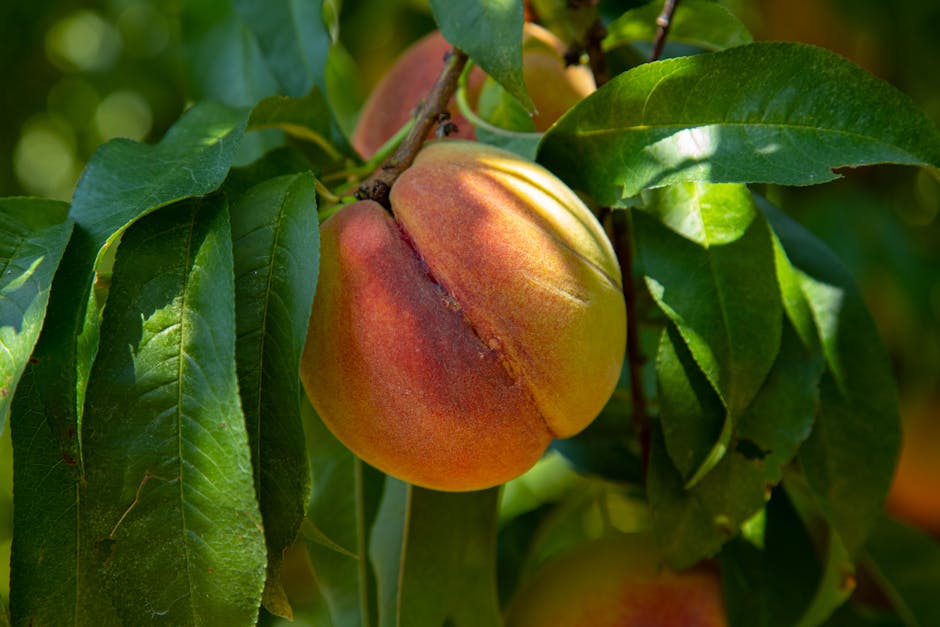
- California’s peach orchards face unprecedented crisis after Del Monte’s bankruptcy, forcing farmers to destroy 420,000 trees.
- The loss of Del Monte as a major buyer has left farmers without a market for their produce, exacerbating economic hardship.
- The USDA has stepped in to provide aid to affected farmers, offering financial assistance to help them recover from the loss.
- The destruction of peach trees serves as a stark reminder of the fragility of the agricultural industry in California.
- The industry’s reliance on a single buyer has exposed its vulnerability, highlighting the risks of boom and bust cycles.
The sun-kissed orchards of California, once bursting with juicy peaches, are now facing an unprecedented crisis. The recent bankruptcy of Del Monte, a major fruit distributor, has left farmers with no choice but to destroy 420,000 peach trees. The scene is one of devastation, with rows of trees being uprooted and burned, a stark reminder of the economic hardship that has befallen the agricultural community.
Current State of the Crisis

The current situation is dire, with many farmers struggling to stay afloat. The loss of Del Monte as a major buyer has left them without a market for their produce, making it impossible to maintain the trees. The USDA has stepped in to provide aid to the affected farmers, offering financial assistance to help them recover from the loss. However, the damage has already been done, and the destruction of the peach trees is a stark reminder of the fragility of the agricultural industry.
A History of Boom and Bust

The story behind the story is one of boom and bust, with the agricultural industry in California experiencing a period of rapid growth in recent years. The demand for fresh produce has been on the rise, and farmers have been planting more trees to meet the demand. However, the bankruptcy of Del Monte has exposed the vulnerability of the industry, highlighting the risks of relying on a single buyer. The history of the industry is marked by similar crises, with farmers often finding themselves at the mercy of market fluctuations and corporate bankruptcies.
The People Behind the Crisis

The people involved in the crisis are not just farmers, but also the families and communities that depend on them. The destruction of the peach trees is not just an economic blow, but also an emotional one, with many farmers having invested their lives and livelihoods in the orchards. The motivations behind the decision to destroy the trees are complex, with farmers weighing the costs of maintaining the trees against the potential benefits of finding a new buyer. However, with the USDA providing aid and the industry coming together to support the affected farmers, there is hope that the crisis can be mitigated.
Consequences of the Crisis

The consequences of the crisis are far-reaching, with the destruction of the peach trees having a ripple effect on the entire agricultural industry. The loss of income for farmers will have a direct impact on the local economy, with businesses that rely on the agricultural industry also feeling the pinch. The environmental impact of the destruction of the trees is also a concern, with the loss of biodiversity and the potential for soil erosion. As the industry struggles to come to terms with the crisis, stakeholders are bracing themselves for the potential long-term consequences.
The Bigger Picture
The bigger picture is one of a fragile and interconnected agricultural industry, where the failure of one company can have far-reaching consequences. The crisis in California is a reminder of the need for diversification and resilience in the industry, with farmers and distributors needing to work together to mitigate the risks of market fluctuations and corporate bankruptcies. As the world grapples with the challenges of food security and sustainability, the crisis in California serves as a stark reminder of the importance of supporting local agriculture and promoting environmentally sustainable practices.
In the end, the destruction of the 420,000 peach trees in California is a sobering reminder of the economic and environmental fragility of the agricultural industry. As the industry looks to the future, it is clear that a new approach is needed, one that prioritizes sustainability, diversification, and resilience. The question on everyone’s mind is what comes next, and how the industry can recover from this devastating blow. Only time will tell, but one thing is certain – the agricultural industry in California will never be the same again. For more information on the crisis, visit the USDA website or read the latest news on the Reuters website.
Source: Reddit