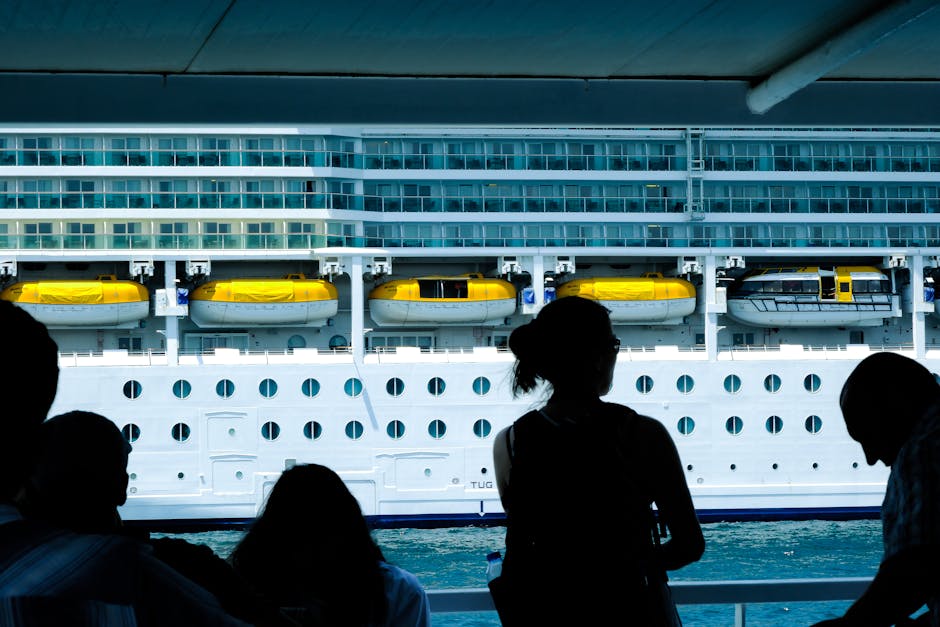
- Cruise ships are highly vulnerable to disease outbreaks due to confined environments and close contact among passengers and crew.
- Hantavirus can be spread through contact with rodents or their droppings, highlighting the importance of proper waste disposal and regular cleaning.
- Rigorous health and safety protocols, including disease prevention education, are crucial on cruise ships to contain outbreaks.
- The interconnected world increases the risk of disease outbreaks spreading across borders and environments.
- Public health measures must be vigilant and prompt to contain outbreaks and protect passengers and crew.
The MV Hondius, a cruise ship that was meant to offer its passengers a luxurious journey, has turned into a vessel of uncertainty after a hantavirus outbreak was confirmed on board. With over a thousand passengers and crew members stranded at sea, the situation, while described as calm by those on the ship, is filled with anxiety and concern about the days to come. The hantavirus, which can be transmitted through contact with rodents or their droppings, has raised fears among health officials that it may have spread beyond the initial cases, prompting a thorough assessment and response to contain the outbreak.
Understanding the Hantavirus Outbreak

The current situation on the MV Hondius brings to the forefront the challenges of managing public health in confined environments like cruise ships. These vessels, which can carry large numbers of people in close quarters, are particularly vulnerable to the rapid spread of infectious diseases. The hantavirus outbreak, while rare, underscores the importance of rigorous health and safety protocols on cruise ships, including regular cleaning, proper waste disposal, and educating passengers and crew about disease prevention. As the world becomes increasingly interconnected, the risk of disease outbreaks spreading across borders and environments highlights the need for vigilant public health measures.
Response to the Outbreak

Following the confirmation of the hantavirus cases, health officials and the ship’s management have been working closely to respond to the outbreak. This includes isolating affected individuals, conducting thorough cleaning and disinfection of the ship, and monitoring all passengers and crew for symptoms of the disease. The ship has been instructed to remain at sea until further notice, a precautionary measure aimed at preventing the potential spread of the virus to other locations. Passengers, while expressing concern about their situation, have reported that the crew is doing its best to maintain a sense of normalcy and to keep everyone informed about the developments.
Analysis of the Situation
Experts analyze the situation on the MV Hondius as a critical test of global health security and the cruise industry’s ability to manage and respond to infectious disease outbreaks. The hantavirus, with its potential for severe outcomes, including hantavirus pulmonary syndrome (HPS), a condition that can be fatal, necessitates a swift and effective response. Data on past outbreaks suggest that early intervention and rigorous infection control measures are key to limiting the spread of the disease. The economic implications of such outbreaks, including the impact on the cruise industry and local economies where ships dock, also cannot be overlooked, making a comprehensive and coordinated response essential.
Implications for Passengers and Crew
The passengers and crew on the MV Hondius are facing an uncertain future, with the ship’s itinerary significantly altered due to the outbreak. The extended period at sea, coupled with the fear of contracting the disease, is taking a toll on those on board. The situation also raises questions about the long-term implications for individuals who may have been exposed, including the potential for psychological effects and the need for ongoing medical monitoring. As the situation unfolds, it is clear that the well-being of those on the ship remains the top priority, with officials working to ensure that they receive the necessary care and support.
Expert Perspectives
Health experts and epidemiologists offer contrasting viewpoints on the best course of action, with some advocating for more aggressive measures to contain the outbreak, such as wider testing and stricter isolation protocols. Others emphasize the importance of balancing the need to control the spread of the disease with the well-being and rights of passengers and crew, highlighting the complexity of managing public health in such unique environments. The diversity of opinions underscores the challenges faced by those responsible for managing the outbreak and the need for a nuanced and evidence-based approach.
Looking forward, the key question is what the future holds for the passengers and crew of the MV Hondius, as well as for the broader cruise industry. As officials continue to monitor the situation and work towards a resolution, passengers are left to wonder when they will be able to disembark and return to their normal lives. The incident serves as a reminder of the importance of preparedness and the need for robust health protocols in place to mitigate the risk of disease outbreaks, ensuring the safety of travelers in an increasingly globalized world.