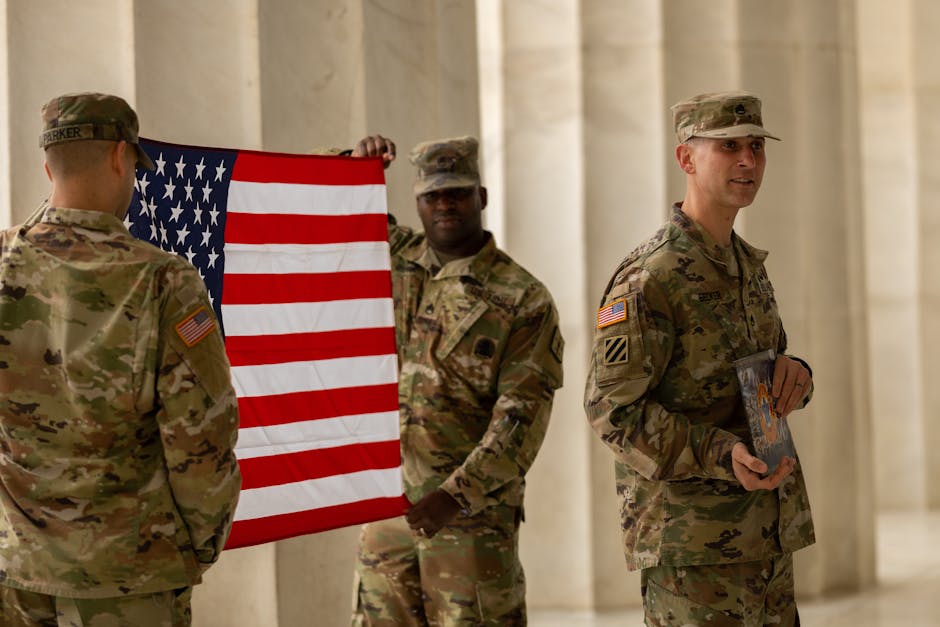
- US President Trump plans to reduce the number of troops in Germany by over 5,000, citing Germany’s failure to meet NATO defense spending commitments.
- The move would decrease the number of US troops in Germany from 34,000 to 24,000, sparking concerns about the impact on the NATO alliance.
- Critics argue that the reduction will weaken the alliance and create a power vacuum that could be exploited by Russia.
- The US military presence in Germany dates back to World War II and has been justified as a means of deterring Soviet aggression and protecting Western Europe.
- The decision has been met with widespread criticism and concern among NATO allies, who fear it will undermine the stability of the region.
The sun was setting over the US military base in Germany, casting a golden glow over the rows of barracks and equipment. But despite the peaceful scene, tension was building as news spread of President Trump’s plans to reduce the number of US troops stationed in the country. The move, which would see the number of troops decrease by more than 5,000, has been met with widespread criticism and concern among NATO allies.
Current Withdrawal Plans

The current situation is one of uncertainty, with many questions still unanswered about the planned withdrawal. The US has around 34,000 troops stationed in Germany, and the reduction would see this number decrease to around 24,000. The move has been justified by the Trump administration as a response to Germany’s failure to meet its NATO defense spending commitments. However, many have criticized the move, arguing that it will weaken the alliance and create a power vacuum that could be exploited by Russia.
Historical Context

The story behind the US military presence in Germany is a long and complex one, dating back to the aftermath of World War II. The US has maintained a significant military presence in the country since the 1950s, with the goal of deterring Soviet aggression and protecting Western Europe. Over the years, the US has worked closely with its German allies to build a strong and stable defense partnership. However, in recent years, tensions have risen between the two countries, particularly over issues such as trade and defense spending.
Key Players and Motivations

The key players in this drama are President Trump and the US defense establishment. Trump has been a long-time critic of NATO and has repeatedly called for US allies to increase their defense spending. The US defense establishment, on the other hand, has traditionally been supportive of a strong US military presence in Europe. The motivations behind the withdrawal are complex, but it is clear that Trump is seeking to assert his authority and reshape the US approach to global security. As The New York Times has reported, the move has been driven by Trump’s desire to punish Germany for its failure to meet its NATO defense spending commitments.
Consequences of the Withdrawal

The consequences of the withdrawal are likely to be far-reaching and significant. The move will not only weaken the US military presence in Europe but also create a power vacuum that could be exploited by Russia. The withdrawal will also have significant economic implications, particularly for the communities surrounding the US military bases in Germany. As BBC News has reported, the move has been met with widespread criticism from local politicians and business leaders.
The Bigger Picture
The US withdrawal from Germany is part of a larger trend of US disengagement from global security issues. The move reflects a shift in US priorities, with a greater focus on domestic issues and a decrease in support for international institutions. As the NATO website notes, the alliance is facing significant challenges, including a resurgent Russia and rising tensions in the Middle East. The US withdrawal from Germany will only add to these challenges, creating a more uncertain and unstable security environment.
The question on everyone’s mind is what comes next. Will the US continue to withdraw from its global security commitments, or will it seek to re-engage with its allies and rebuild its military presence in Europe? One thing is certain: the US withdrawal from Germany marks a significant turning point in the history of the transatlantic alliance, and its consequences will be felt for years to come.
Source: Fortune