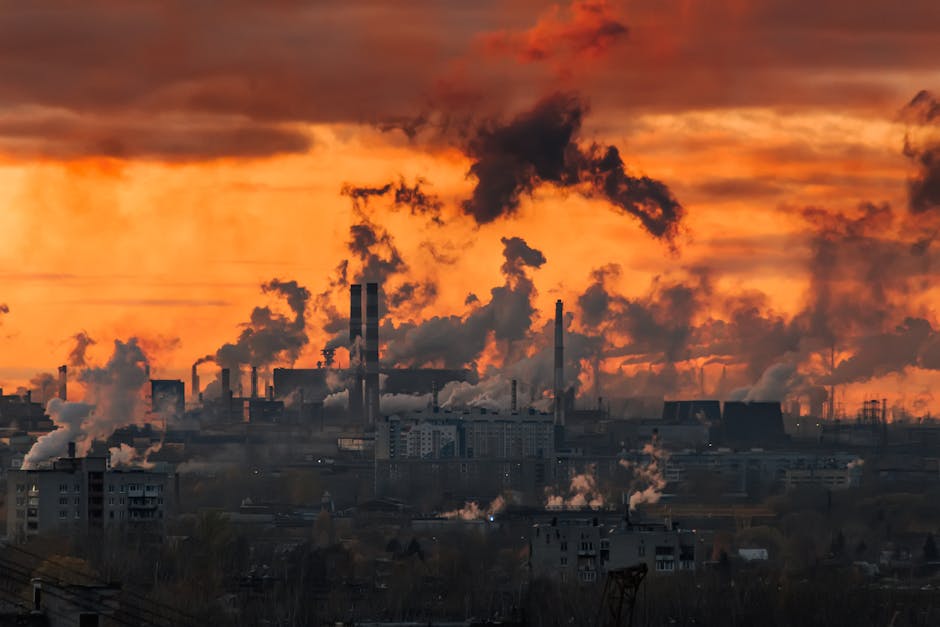
- Black rain, described as toxic, has fallen on Kursk, Russia, impacting thousands of residents and raising serious health concerns.
- The phenomenon is suspected to be linked to Ukraine’s recent strikes on Russian oil facilities, releasing harmful chemicals.
- The rain possesses a strong, unpleasant odor and has triggered widespread anxiety regarding potential long-term environmental damage.
- Ukraine’s attacks on Russian oil infrastructure are strategically aimed at disrupting Russia’s economy and military funding.
- The Kursk incident highlights the broader environmental consequences of the ongoing Russia-Ukraine conflict, a growing concern.
The Russian city of Kursk has been hit by a mysterious and potentially hazardous black rain, with thousands of residents affected. The strange phenomenon has been linked to Ukraine’s recent strikes on Russian oil facilities, which have released large quantities of toxic chemicals into the atmosphere. The black rain, which has been described as having a strong, unpleasant odor, has sparked widespread concern among local residents, who are worried about the potential health and environmental impacts.
Background to the Conflict

The ongoing conflict between Russia and Ukraine has been escalating in recent months, with both sides engaging in a series of tit-for-tat attacks. The targeting of Russian oil facilities by Ukraine is seen as a strategic move to disrupt the country’s economy and limit its ability to fund its military operations. However, the environmental consequences of such attacks are only just beginning to emerge, and the black rain in Kursk is a stark reminder of the devastating impact that war can have on the environment and human health. According to reports from the BBC, the conflict has already resulted in significant damage to Ukraine’s environment and infrastructure.
The Attacks on Oil Facilities

Ukraine’s attacks on Russian oil facilities have been carried out using advanced drones and missile systems, which have allowed the country to target key infrastructure with precision. The attacks have resulted in significant damage to the facilities, with large quantities of oil and toxic chemicals being released into the environment. The black rain in Kursk is thought to have been caused by the release of these chemicals, which have combined with other pollutants in the atmosphere to create a toxic and potentially hazardous substance. As noted by Reuters, the conflict has also had a significant impact on global oil prices.
Analysis of the Environmental Impact

The environmental impact of the conflict between Russia and Ukraine is likely to be significant and long-lasting. The release of toxic chemicals into the atmosphere has the potential to cause widespread damage to the environment, including the contamination of soil and water sources. The black rain in Kursk is just one example of the devastating consequences of the conflict, and it is likely that other areas will be affected in the coming weeks and months. According to the Guardian, the conflict has already resulted in significant environmental damage, including the destruction of wildlife habitats and the pollution of water sources.
Implications for Local Residents

The black rain in Kursk has significant implications for local residents, who are at risk of exposure to toxic chemicals. The Russian authorities have advised residents to stay indoors and avoid contact with the rain, but many are worried about the long-term health consequences of exposure. The conflict has also had a significant impact on the local economy, with many businesses forced to close due to the environmental damage. As reported by the New York Times, the conflict has resulted in a significant humanitarian crisis, with thousands of people displaced and in need of aid.
Expert Perspectives
Experts have warned that the conflict between Russia and Ukraine has the potential to cause significant and long-lasting environmental damage. The use of advanced drones and missile systems has increased the risk of accidents and the release of toxic chemicals into the environment. According to Dr. Maria Van Der Meer, a leading expert on environmental security, “the conflict has the potential to cause significant and long-lasting damage to the environment, and it is essential that both sides take steps to minimize the risk of environmental harm.”
As the conflict continues to escalate, it is likely that the environmental consequences will become increasingly severe. The international community has a critical role to play in mitigating the effects of the conflict and promoting a peaceful resolution. As noted by the World Health Organization, the conflict has significant implications for human health and the environment, and it is essential that all parties take steps to minimize the risk of harm.
Source: Washingtonpost