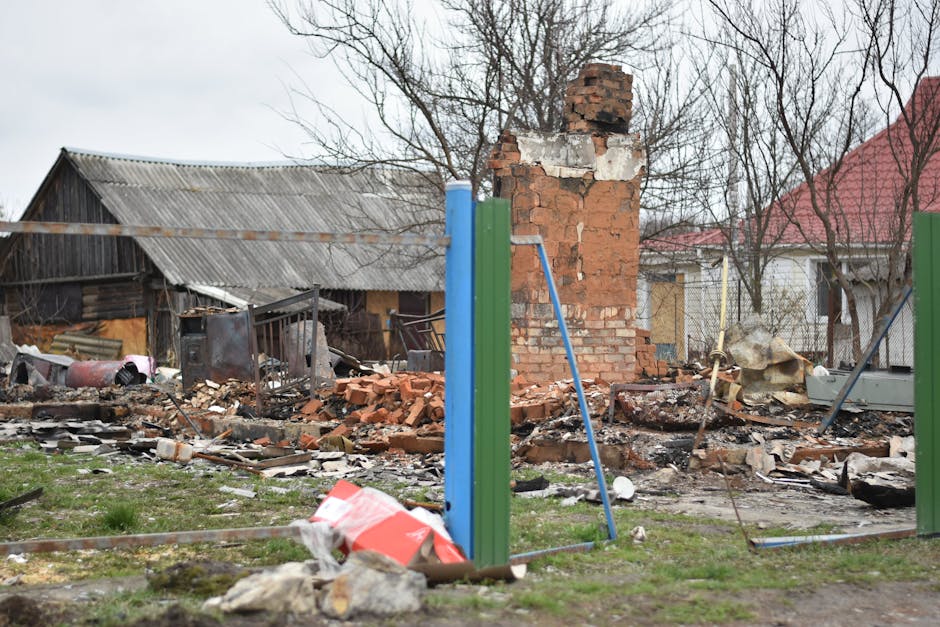
- Hurricane Helene in western North Carolina disrupted medical services and supply chains, making it difficult for those in opioid addiction recovery to access medication.
- The lack of access to healthcare facilities and pharmacies increased relapse rates and overdose risks in the aftermath of the disaster.
- Natural disasters can trigger or exacerbate addiction due to trauma and stress, highlighting the need for resilient healthcare systems.
- Communities vulnerable to extreme weather events require emergency preparedness plans that address the unique needs of individuals in recovery.
- The opioid crisis and natural disasters are interconnected issues that demand comprehensive solutions to mitigate their impact.
A day after Hurricane Helene ripped through western North Carolina in late September 2024, Toni Brewer had no power or water. The storm had strewn fallen trees across most roads, wiped out phone and internet communications, and put some neighborhoods near her Asheville home underwater. As she struggled to cope with the aftermath, Brewer, who is recovering from opioid addiction, faced an additional challenge: finding her next dose of medication to manage her withdrawal symptoms.
Immediate Aftermath

Key confirmed details of the disaster’s impact on opioid addiction recovery include the disruption of medical services and supply chains. The lack of access to healthcare facilities, pharmacies, and medication-assisted treatment has left many individuals struggling with addiction without the support they need. This has resulted in increased relapse rates and overdose risks, further straining the already overwhelmed emergency services.
Background and Context

The intersection of natural disasters and the opioid crisis is a complex issue, with research suggesting that trauma and stress can trigger or exacerbate addiction. As communities become more vulnerable to extreme weather events, the need for resilient healthcare systems and emergency preparedness plans that address the unique needs of individuals in recovery becomes increasingly important. Understanding the historical context of the opioid epidemic and its correlation with disaster response is crucial in developing effective strategies to mitigate its impact.
What to Watch

As the situation in North Carolina and other affected areas continues to unfold, officials and healthcare providers are bracing for the potential long-term consequences of the disaster on opioid addiction recovery. Next steps may include the deployment of mobile health units, the establishment of temporary treatment centers, and the implementation of emergency protocols to ensure the continuity of medication-assisted treatment. The effectiveness of these measures will depend on the ability of authorities to respond quickly and decisively to the evolving needs of affected communities.
Source: MedicalXpress