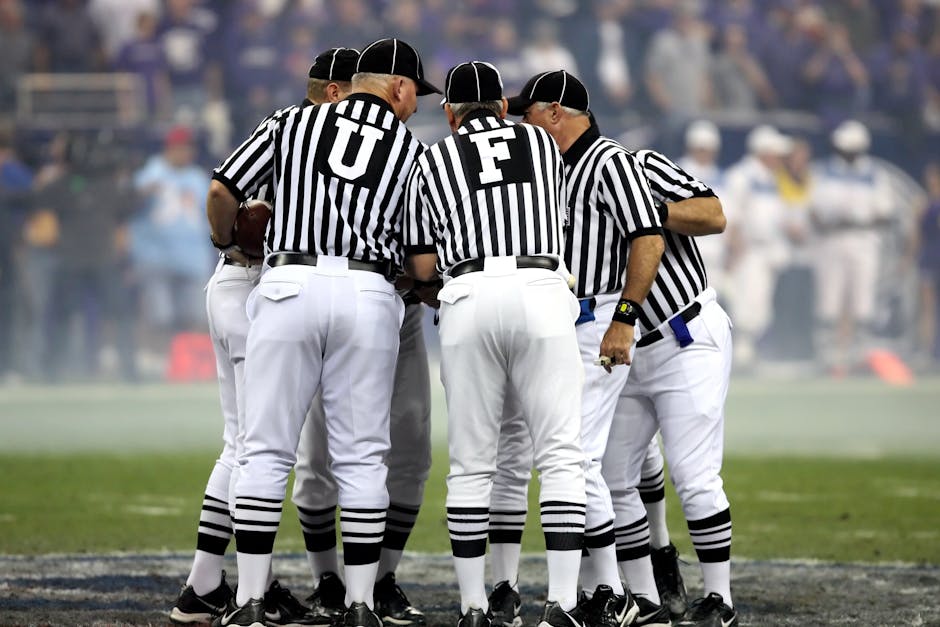
- Marc Guehi’s misplaced pass led to Thierno Barry’s offside goal, sparking controversy over the offside rule.
- The incident has highlighted the need for consistency in applying the offside law in modern football.
- The offside law aims to prevent attacking players from gaining an unfair advantage, but its application can be subjective.
- The referee’s decision to allow the goal to stand has sparked debate about the fairness of the law’s application.
- The controversy has led to calls for clarification on what constitutes ‘gaining an advantage’ from an offside position.
The scene was set for a thrilling encounter at the Etihad Stadium on Monday as Manchester City hosted Everton. The atmosphere was electric, with both teams creating scoring opportunities. However, it was a moment of controversy that stole the headlines, as Everton’s Thierno Barry scored despite being in an offside position, thanks to a misplaced pass from Manchester City’s Marc Guehi. The question on everyone’s mind is: was the law applied fairly? The incident has sparked a heated debate about the offside rule and its application in modern football.
The Current State of Affairs

The current situation is clear: Barry’s goal stood, and Everton earned a crucial point against one of the league’s top teams. The key facts are that Guehi’s pass was intended for a teammate, but it was intercepted by Barry, who was beyond the last defender when the ball was played. The linesman’s flag stayed down, and the referee allowed the goal to stand. While some argue that the decision was correct, others claim that Barry gained an unfair advantage from being in an offside position. The controversy has highlighted the need for consistency in applying the offside law, with many calling for clarification on what constitutes ‘gaining an advantage’ from an offside position.
A Look Back at the History of the Offside Law

The story behind the story is that the offside law has been a topic of debate for decades. The law was introduced to prevent attacking players from gaining an unfair advantage by staying ahead of the ball and the opposing team’s defense. Over the years, the law has undergone several changes, with the most significant being the introduction of the ‘active play’ clause, which states that a player is only considered offside if they are interfering with play or gaining an advantage from being in an offside position. Despite these changes, the law remains open to interpretation, and controversies like the one on Monday continue to arise. A visit to the offside law Wikipedia page reveals the complexities and nuances of the rule.
The Key Players Involved

The people shaping this controversy are the players, coaches, and referees involved in the game. Guehi’s mistake was a crucial factor, as it allowed Barry to score. The Everton player’s motivations were clear: he wanted to score and help his team earn a vital point. The referees, on the other hand, must interpret the law to the best of their abilities, often in a split second. The pressure to make correct decisions is immense, and the consequences of mistakes can be significant. As the BBC reported, the incident has sparked a debate about the use of technology to assist referees in making offside decisions.
Consequences and Implications

The consequences of this incident are far-reaching. For Manchester City, the dropped points could be crucial in the title race. For Everton, the goal was a vital moment in their fight against relegation. The incident has also raised questions about the consistency of refereeing decisions and the need for clarity on the offside law. The stakeholders, including players, coaches, and fans, are all affected by the controversy, and a resolution is needed to maintain the integrity of the game. A look at the Guardian’s analysis of the incident highlights the complexities of the issue.
The Bigger Picture
This controversy matters in a broader context because it highlights the need for consistency and clarity in the application of the offside law. The incident has sparked a debate about the use of technology, such as video assistant referees (VARs), to assist referees in making offside decisions. The issue is not just about one game or one goal; it is about the integrity of the sport and the need for fair play. As the Reuters report notes, the controversy has sparked a wider discussion about the role of technology in football.
In conclusion, the controversy surrounding Barry’s goal has raised important questions about the offside law and its application. As the debate continues, one thing is clear: the need for consistency and clarity is paramount. The incident has sparked a wider discussion about the use of technology and the role of referees in modern football. What comes next is a continued conversation about the offside law and its impact on the beautiful game. With the increasing use of technology in sports, it will be interesting to see how the offside law evolves in the future.
Source: BBC