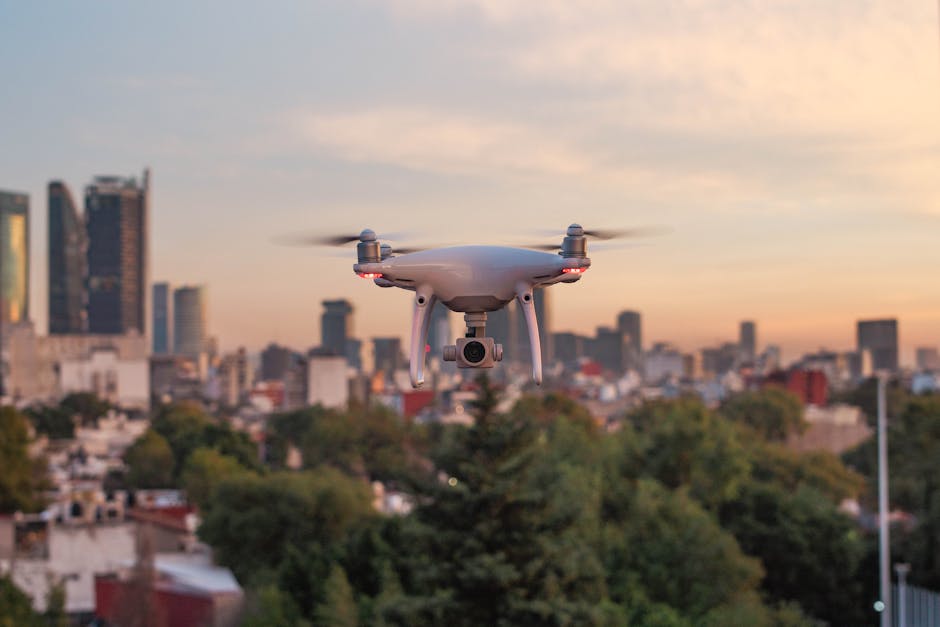
- A small drone struck a Moscow office building, barely 3 kilometers from the Kremlin, demonstrating vulnerability to low-cost, commercially available technology.
- The attack marked an audacious attempt to strike at the symbolic and administrative heart of the Russian state.
- Drones are being repurposed for warfare, transforming asymmetric warfare from battlefield engagements to psychological and political targeting.
- Urban airspace surveillance gaps have been exploited, posing a new threat to high-value targets in Moscow.
- The incident sets a precedent for future attacks on high-value targets, raising concerns about the evolving nature of urban warfare.
On a quiet Tuesday morning, a small explosive-laden drone pierced Moscow’s airspace, striking a 25-story office building on Kutuzovsky Prospekt—barely three kilometers from the Kremlin’s fortified walls. The attack, which caused minor structural damage and no casualties, sent shockwaves through Russian security circles and signaled a dangerous evolution in tactics used by adversaries. According to the Russian Ministry of Defense, the drone was intercepted mid-flight but still detonated upon impact, shattering windows and triggering emergency evacuations. This unprecedented breach of Moscow’s inner perimeter demonstrates that even the most heavily guarded political centers are now vulnerable to low-cost, commercially available technology repurposed for warfare.
Escalation in Urban Warfare Tactics

The incident marks one of the most audacious attempts to strike at the symbolic and administrative heart of the Russian state since the start of the war in Ukraine. While drones have been used extensively on the front lines, penetrating the capital’s airspace represents a strategic shift—transforming asymmetric warfare from battlefield engagements to psychological and political targeting. Moscow, long considered insulated from direct attacks due to its layered air defense networks, now faces a new reality: non-state actors or hostile forces can exploit gaps in urban airspace surveillance. Experts warn this event could set a precedent for future attacks on high-value targets in major global capitals, especially as drone technology becomes cheaper and more accessible. The message is clear—geographic distance from conflict zones no longer guarantees safety.
Who Was Behind the Attack?

Russian authorities have not formally attributed the attack to any group or nation, but early intelligence assessments point toward Ukrainian military or intelligence involvement. While Ukraine has not claimed responsibility, officials in Kyiv have previously stated that critical infrastructure linked to Russia’s war effort is a legitimate target. The targeted building housed several state-affiliated firms with ties to defense logistics, according to Reuters. The Kremlin responded swiftly, calling the act a “terrorist attack” and vowing retaliation. Meanwhile, Western analysts remain cautious, noting that such operations could also be carried out by domestic dissident groups or rogue actors exploiting the chaos of war. Regardless of origin, the operational precision suggests sophisticated planning and intelligence gathering.
Security Failures and Technological Gaps

The drone’s successful approach raises serious questions about Russia’s air defense capabilities, particularly in urban environments. Moscow is equipped with advanced S-400 missile systems, electronic jamming units, and radar networks designed to intercept aerial threats. Yet, small, low-flying drones—especially those using GPS spoofing or pre-programmed flight paths—can evade traditional detection. A 2023 report by BBC News highlighted growing concerns over drone incursions near Russian government sites, with over a dozen intercepted in the past year alone. This latest incident underscores a broader global challenge: even the most powerful militaries struggle to defend against swarms of small, agile drones. Asymmetric warfare is no longer theoretical—it is operational, and it is urban.
Geopolitical and Domestic Implications

The psychological impact of the attack may outweigh its physical damage. Striking so close to the Kremlin undermines the image of invulnerability the Russian government has cultivated, potentially emboldening opposition groups and shaking public confidence. Internationally, the event could prompt tighter regulations on drone exports and greater investment in counter-drone technology. For Ukraine, the strike—whether direct or indirect—serves as a strategic signal that Russia’s war infrastructure is within reach. However, it also risks triggering harsher escalations, including intensified missile barrages on Ukrainian cities or cyberattacks on Western targets. Civilian populations on both sides are increasingly caught in a cycle of tit-for-tat violence, where the rules of engagement continue to erode.
Expert Perspectives
Security analysts are divided on the implications. Dr. Elena Komarova, a defense researcher at the European University Institute, argues that “this is the new normal—urban centers are no longer sanctuaries.” Conversely, retired General Mikhail Dzharimov, a former air defense commander, insists that “one breach does not signal systemic failure, but it demands urgent adaptation.” Some experts warn that overreaction could lead to disproportionate responses, further destabilizing the region. Others see opportunity in revisiting international norms on drone warfare, particularly regarding autonomous weapons and no-fly zones over capital cities.
As drone technology advances, so too must defensive doctrines. The Moscow incident is unlikely to be isolated. Other nations, including the U.S. and China, are already testing drone interception systems using AI-powered radar and directed-energy weapons. The critical question now is not if another attack will occur, but when and where. Will future drones carry larger payloads? Could they target transportation hubs or nuclear facilities? The world is entering an era where the skies above its cities are no longer safe—a reality that demands global cooperation, smarter technology, and new legal frameworks to prevent escalation into full-scale urban conflict.
Source: United24media