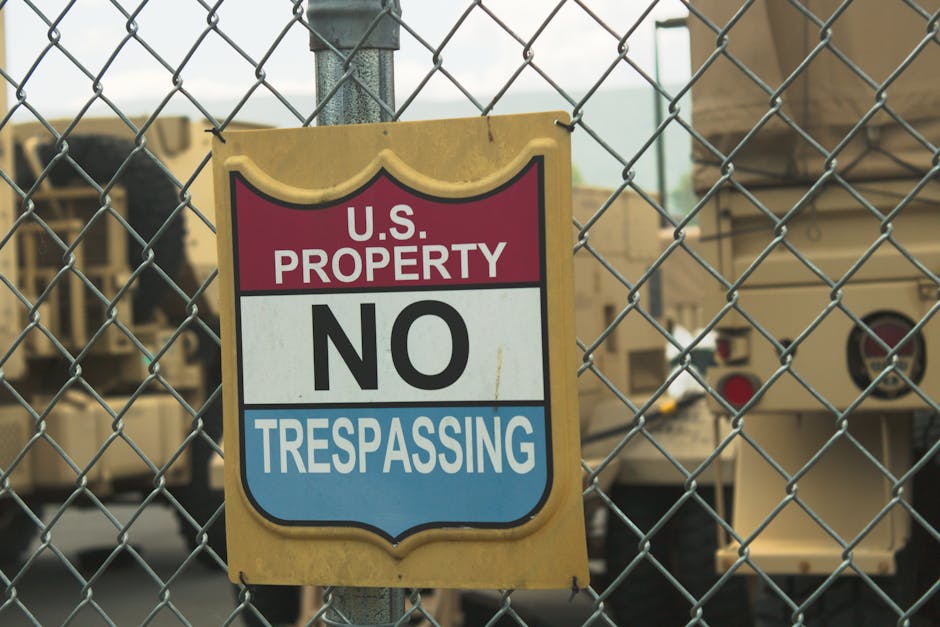
- The US withdrawal of 12,000 troops from Germany marks a significant shift in the transatlantic alliance, straining relations between the US and its European allies.
- The troop drawdown undermines the commitment to mutual defense, a cornerstone of the alliance, leaving European leaders to wonder if they can rely on the US for their defense.
- The move is likely to embolden Russia and China, which have been seeking to exploit divisions within the alliance, posing a threat to European security.
- The US troop drawdown from Germany is just the latest in a series of moves that have strained relations between the US and its European allies, including the withdrawal from the Paris Climate Accord.
- European leaders are considering going it alone in defense, citing the need for greater self-reliance in the face of a potentially more isolated United States.
The sun had just set over the German countryside, casting a golden glow over the rolling hills and quaint villages, when the news broke: the US would be withdrawing nearly 12,000 troops from the country. The move, announced by the Pentagon, was seen as a significant shift in the transatlantic alliance, one that would have far-reaching implications for European security. As the news spread, European leaders couldn’t help but wonder if this was the latest sign that they could no longer rely on the US for their defense.
The Current State of Transatlantic Relations

The US troop drawdown from Germany is just the latest in a series of moves that have strained relations between the US and its European allies. The decision to withdraw from the Intermediate-Range Nuclear Forces Treaty, the imposition of tariffs on European goods, and the withdrawal from the Paris Climate Accord have all contributed to a sense of unease among European leaders. The troop drawdown, however, is seen as a particularly significant blow, as it undermines the very foundation of the transatlantic alliance: the commitment to mutual defense. According to a report by the New York Times, the move is likely to embolden Russia and China, which have been seeking to exploit divisions within the alliance.
A History of Cooperation and Tension

The transatlantic alliance has a long and complex history, one marked by both cooperation and tension. In the aftermath of World War II, the US and Europe came together to form the North Atlantic Treaty Organization (NATO), a mutual defense pact that was designed to counter the threat of Soviet expansion. Over the years, the alliance has been tested by numerous crises, from the Berlin Blockade to the Soviet invasion of Afghanistan. Despite these challenges, the alliance has endured, with the US providing a security umbrella for its European allies. However, in recent years, there have been signs of strain, with some European leaders questioning the US commitment to the alliance. As noted by the BBC, the US has been increasingly critical of European defense spending, arguing that its allies are not doing enough to support the alliance.
The Key Players in the Crisis

The US troop drawdown from Germany has been driven by a number of key players, including President Trump, who has been a vocal critic of the transatlantic alliance. Trump has long argued that the US is shouldering too much of the burden for European defense, and that its allies need to do more to support the alliance. Other key players include German Chancellor Angela Merkel, who has been a strong advocate for the alliance, and NATO Secretary-General Jens Stoltenberg, who has been working to strengthen the alliance in the face of growing threats. According to a report by Reuters, Merkel has been seeking to reassure her European counterparts that the alliance remains strong, despite the US troop drawdown.
The Consequences of the Troop Drawdown

The consequences of the US troop drawdown from Germany are likely to be far-reaching, with significant implications for European security. The move is likely to embolden Russia and China, which have been seeking to exploit divisions within the alliance. It may also lead to a decrease in European defense spending, as countries seek to rely more heavily on their own military capabilities. As noted by the Guardian, the troop drawdown may also have significant economic implications, as the US military is a major contributor to the German economy.
The Bigger Picture
The US troop drawdown from Germany is just one part of a larger story, one that is playing out across the globe. The shift in the transatlantic alliance is reflective of a broader trend, one in which countries are increasingly seeking to go it alone in the face of growing global uncertainty. This trend has significant implications for international relations, as countries seek to navigate a complex and rapidly changing world. As noted by the Associated Press, the US troop drawdown may be seen as a sign of a larger decline in US influence, one that could have significant implications for global stability.
As the dust settles on the US troop drawdown from Germany, one thing is clear: the transatlantic alliance will never be the same. The move has sparked a new era of uncertainty, one in which European leaders are being forced to reevaluate their dependence on the US for defense. As they look to the future, they will be seeking to strengthen their own military capabilities, while also navigating a complex and rapidly changing world. The question on everyone’s mind is: what comes next? Will the alliance be able to withstand the challenges that lie ahead, or will it succumb to the growing tensions and uncertainties of the 21st century?
Source: Nbcnews