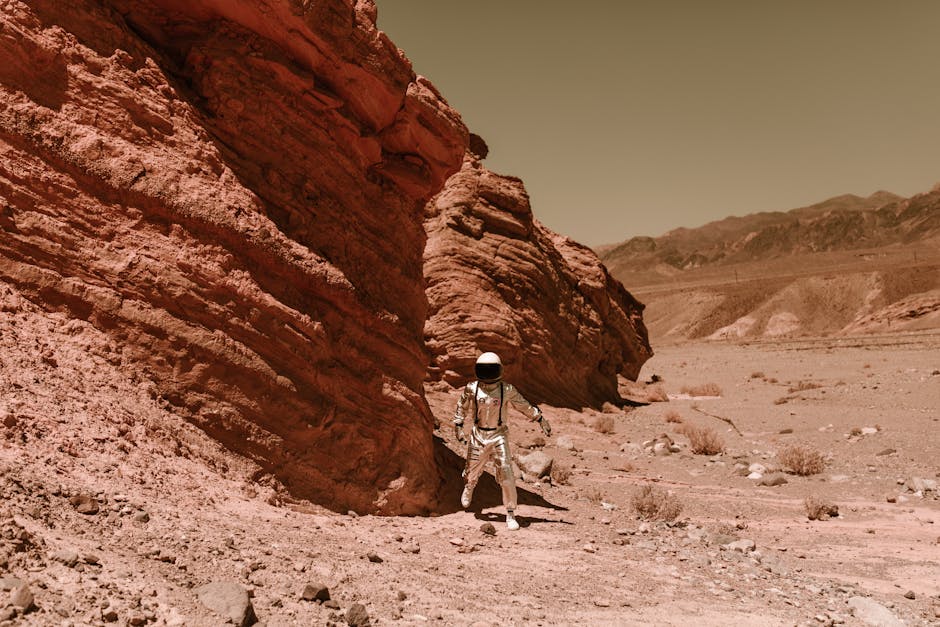
- Red Mars explores the technological, societal, and environmental challenges of human settlement on Mars, sparking debate among science fiction enthusiasts and scientists.
- Kim Stanley Robinson’s novel presents a compelling vision of a future Mars, transformed into a habitable world through terraforming.
- Red Mars is a novel about the human condition, examining themes of survival, cooperation, and the quest for a better future on Mars.
- The book’s portrayal of human discovery and settlement on Mars is rooted in a deep understanding of the planet’s ecology and geology.
- Red Mars offers a thought-provoking exploration of the complexities and conflicts that arise when humanity transforms a new world into a habitable home.
As the world grapples with the possibilities of space exploration and the colonization of other planets, one question has been on everyone’s mind: what would it take for humans to settle on Mars? This is the central premise of Kim Stanley Robinson’s seminal science fiction novel, Red Mars, which has captivated readers with its meticulous and imaginative portrayal of the first human settlers on the red planet. The novel’s exploration of the technological, societal, and environmental challenges faced by these pioneers has sparked intense debate and discussion among science fiction enthusiasts and scientists alike.
The Visionary World of Red Mars

At its core, Red Mars is a novel about the human condition, exploring themes of survival, cooperation, and the quest for a better future. Robinson’s direct and detailed answer to the question of how humans might settle Mars is rooted in a deep understanding of the planet’s ecology, geology, and potential for terraforming. The novel presents a compelling vision of a future where humanity has begun to transform Mars into a habitable world, with all the accompanying complexities and conflicts. As Kim Stanley Robinson himself notes, the novel is as much about the journey of human discovery as it is about the destination of a settled Mars.
Evidence from the Scientific Community

The scientific community has weighed in on the plausibility of Robinson’s vision, with many experts praising the novel’s attention to detail and commitment to scientific accuracy. According to NASA, the concepts explored in Red Mars, such as terraforming and in-situ resource utilization, are being actively researched and considered for future Mars missions. Dr. Robert Zubrin, a leading expert on Mars exploration, has written extensively on the potential for human settlement of Mars, echoing many of the themes and ideas presented in the novel. The data and quotes from these sources serve as a testament to the novel’s influence and relevance in the scientific community.
Counter-Perspectives and Criticisms

Not everyone is convinced by Robinson’s vision, however. Some critics have argued that the novel’s portrayal of a human settlement on Mars is overly optimistic, neglecting the significant technological and economic challenges that such a endeavor would entail. Others have pointed out that the novel’s focus on the scientific and technological aspects of Mars settlement comes at the expense of a more nuanced exploration of the social and cultural implications of such a project. These counter-perspectives serve as a reminder that the question of how humans might settle Mars is complex and multifaceted, and that there are many different viewpoints and approaches to consider.
Real-World Impact and Implications

The real-world impact of Red Mars can be seen in its influence on the scientific community and the general public’s perception of Mars exploration. The novel has inspired a new generation of scientists and engineers to pursue careers in fields related to space exploration and has helped to raise awareness about the potential for human settlement of Mars. As noted by BBC, the novel’s exploration of the ethical and environmental implications of terraforming has sparked important discussions about the responsibilities that come with exploring and settling other planets. The consequences of these discussions can be seen in the ongoing development of more sustainable and responsible approaches to space exploration.
What This Means For You
So what can readers take away from Red Mars? On a practical level, the novel offers a compelling vision of a potential future for humanity, one that is both inspiring and thought-provoking. As we consider the possibilities of space exploration and the colonization of other planets, Red Mars serves as a reminder of the importance of careful planning, international cooperation, and a commitment to scientific accuracy and responsibility. Whether or not you agree with Robinson’s vision, the novel is sure to leave you with a newfound appreciation for the complexities and challenges of space exploration.
As we look to the future of space exploration and the potential for human settlement of Mars, one question remains: what will it take for humans to become a multi-planetary species? The answer, much like the novel itself, is complex and multifaceted, and will require the contributions and insights of scientists, engineers, and science fiction writers like Kim Stanley Robinson. As we continue to explore and settle the red planet, we would do well to remember the lessons of Red Mars and the importance of responsible and sustainable approaches to space exploration.
Source: New Scientist