- Nurses often struggle to act on their instincts due to heavy workloads and limited time.
- AI can help nurses identify subtle changes in patient conditions more effectively.
- Integrating technology into nursing practice can improve patient outcomes and reduce delays.
- Nurses are turning to AI to augment their care and make data-driven decisions.
- By leveraging AI, nurses can focus on critical thinking and patient-centered care.
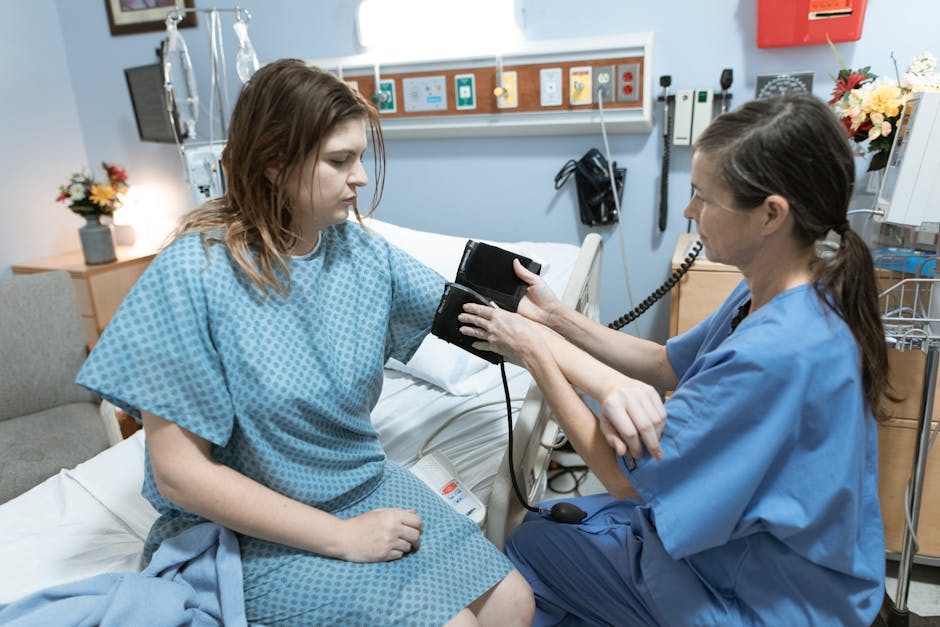
The hospital ward is a kaleidoscope of beeping machines, whispered conversations, and rushed footsteps. Nurses move with a sense of purpose, their eyes scanning the rooms as they check on patients, administer medication, and update charts. Amidst the chaos, a nurse’s instincts can be a powerful tool, alerting them to subtle changes in a patient’s condition that may not be immediately apparent from vital signs or test results. But with heavy workloads and limited time, it can be challenging for nurses to act on these instincts, leaving them to wonder if they’re truly making a difference in patient care.
The Current State of Nurse-Patient Care

Today, hospital nurses are responsible for caring for multiple patients during their shifts, which can last from eight to 12 hours. They must continually assess their patients’ conditions, administering medication, monitoring vital signs, and communicating with family members. Despite their best efforts, nurses often find themselves struggling to keep up with the demands of their job, leaving little time to reflect on their instincts about a patient’s care. As a result, nurses may hesitate to act on their concerns, especially if objective measures such as blood pressure and heart rate appear normal. This can lead to delays in identifying potential issues, which can have serious consequences for patient outcomes.
A Brief History of Nursing and Technology

The integration of technology into nursing practice is not a new phenomenon. For decades, nurses have been using various tools and systems to support their work, from electronic health records to telehealth platforms. However, the use of artificial intelligence (AI) in nursing is a more recent development, driven in part by advances in machine learning and natural language processing. By analyzing large datasets and identifying patterns, AI can help nurses quantify their instincts about patient care, providing a more objective basis for decision-making. This can be particularly valuable in situations where nurses are unsure about how to proceed, or when they need to prioritize care for multiple patients.
The People Behind the Technology

Behind the development of AI-powered nursing tools are researchers, clinicians, and technologists who are passionate about improving patient care. These individuals are working together to design and test systems that can analyze vast amounts of data, from vital signs and medical histories to nurse-patient interactions and medication administration records. By leveraging the insights and expertise of nurses, as well as the analytical capabilities of AI, these teams are creating new solutions that can support nurses in their decision-making and enhance the quality of care. For example, some AI-powered systems can identify high-risk patients and alert nurses to potential issues, allowing them to intervene earlier and improve outcomes.
Consequences for Patient Care

The use of AI in nursing has significant implications for patient care, enabling nurses to provide more targeted and effective support. By analyzing data from multiple sources, AI can help nurses identify patients who are at risk of deterioration or complications, allowing them to prioritize care and intervene earlier. This can lead to better patient outcomes, including reduced morbidity and mortality rates, as well as improved patient satisfaction and experience. Furthermore, AI can help nurses to optimize their workflows, streamlining tasks and reducing administrative burdens, which can free up more time for direct patient care.
The Bigger Picture
The integration of AI into nursing practice is part of a broader trend towards more personalized and data-driven healthcare. As the healthcare system continues to evolve, it is likely that we will see even more innovative applications of AI and other technologies, from AI-powered diagnostic tools to virtual reality platforms for patient education and therapy. By embracing these technologies and working together to address the challenges and opportunities they present, we can create a more responsive, effective, and compassionate healthcare system that truly puts patients at its center.
As we look to the future, it is clear that the role of AI in nursing will continue to grow and evolve, supporting nurses in their vital work and enhancing the care they provide to patients. Whether through innovative technologies or more traditional approaches, the key to improving patient outcomes will be finding ways to harness the power of nursing instincts, combining the art of caregiving with the science of data analysis to create a more holistic and effective approach to healthcare.
Source: MedicalXpress