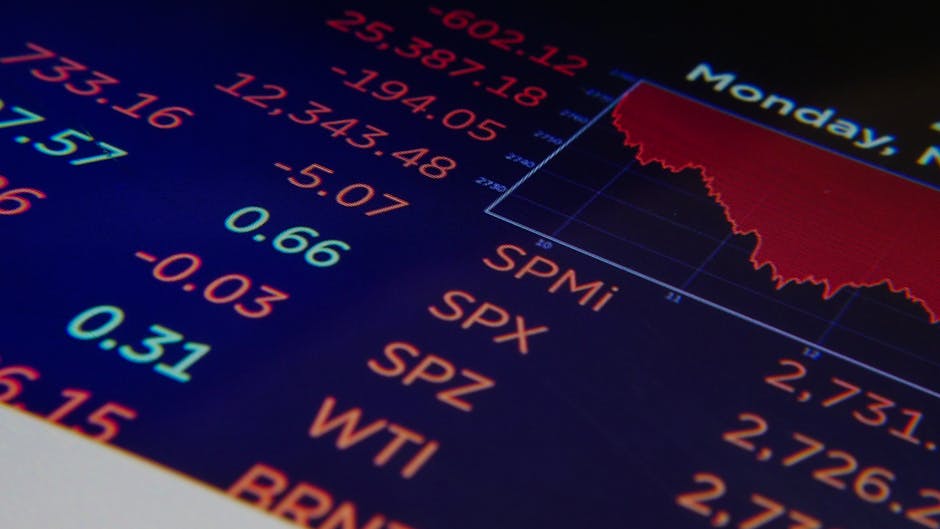
- Investors are downplaying recession risks despite soaring oil prices posing a threat to the global economy.
- US equities hitting fresh highs overlook clear warning signs of a potential economic downturn.
- Oil price shock may force the market to reprice, leading to a potential economic downturn.
- Higher production costs, reduced consumer spending, and decreased economic growth are expected due to rising oil prices.
- The current oil price shock is predicted to be more prolonged than initially thought, lasting up to 18 months.
Executive summary: The current market euphoria is misplaced, as strategists warn that investors are downplaying the impact of soaring oil prices on the global economy. With US equities hitting fresh highs, the risk of a recession is being overlooked, despite the clear warning signs. As the oil price shock takes hold, it is likely that the market will be forced to reprice, leading to a potential downturn in the economy.
Evidence of a Looming Recession

Hard data and primary sources indicate that the recent surge in oil prices is likely to have a significant impact on the global economy. According to the Reuters report, the price of Brent crude has risen by over 10% in the past month, reaching a six-month high. This increase in oil prices is likely to lead to higher production costs, reduced consumer spending, and decreased economic growth. Furthermore, a report by the New York Times suggests that the current oil price shock is likely to be more prolonged than initially thought, with some analysts predicting that prices could remain high for the next 12-18 months.
Key Players and Their Roles

The key actors in this scenario are the major oil-producing countries, including Saudi Arabia and the United States. Recent moves by these countries, such as the decision by Saudi Arabia to reduce oil production, have contributed to the surge in oil prices. Additionally, the ongoing tensions between the United States and Iran have further exacerbated the situation, leading to increased uncertainty and volatility in the oil market. The roles of these players will be crucial in determining the outcome of the current situation, with their decisions having a significant impact on the global economy.
Trade-Offs and Risks

The current situation presents a number of trade-offs and risks, including the potential for higher inflation, reduced economic growth, and increased unemployment. On the one hand, higher oil prices can lead to increased revenue for oil-producing countries, which can be used to invest in other sectors of the economy. On the other hand, the negative impact on consumer spending and economic growth cannot be ignored. Furthermore, the risks associated with the current situation, including the potential for a recession, must be carefully considered and mitigated. According to the Guardian, some analysts are warning that the current situation could lead to a global recession, with far-reaching consequences for the economy and financial markets.
Timing and Triggers

The current situation has been triggered by a combination of factors, including the US-Iran conflict and the decision by Saudi Arabia to reduce oil production. The timing of these events has been critical, with the surge in oil prices occurring at a time when the global economy is already showing signs of slowing down. Why now? The answer lies in the complex interplay of geopolitical and economic factors, which have created a perfect storm that is driving up oil prices and increasing the risk of a recession. As the situation continues to unfold, it is likely that we will see further volatility in the oil market, with potential triggers including additional US sanctions on Iran and further reductions in oil production by Saudi Arabia.
Where We Go From Here
Looking ahead to the next 6-12 months, there are three possible scenarios for the global economy. In the first scenario, the oil price shock is short-lived, and the economy is able to absorb the impact without significant damage. In the second scenario, the oil price shock is more prolonged, leading to a significant slowdown in economic growth and potentially even a recession. In the third scenario, the situation spirals out of control, leading to a global economic crisis. According to the BBC, some analysts are warning that the third scenario is becoming increasingly likely, with the potential for a global recession and far-reaching consequences for the economy and financial markets.
Bottom line: The current market euphoria is misplaced, and investors are downplaying the impact of soaring oil prices on the global economy at their own peril. As the oil price shock takes hold, it is likely that the market will be forced to reprice, leading to a potential downturn in the economy.
Source: CNBC