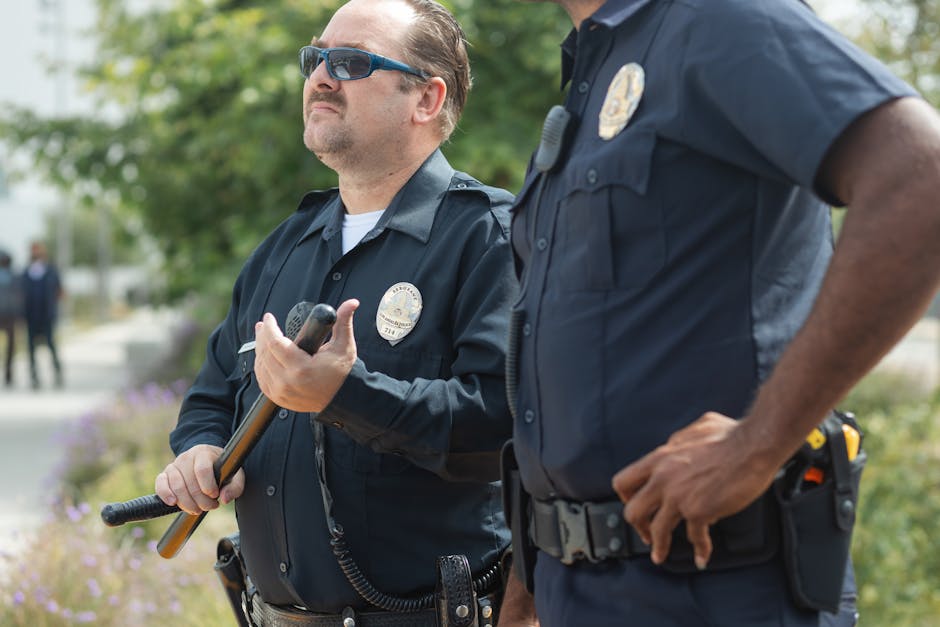
- A 2023 study found a 1.4% increase in police use of force for every 10°F (5.6°C) temperature rise.
- The effect was most pronounced during summer months and in urban areas with high population density.
- Researchers controlled for variables like crime rates, socioeconomic factors, and day of the week.
- The study analyzed over 20 million 911 calls and 1.6 million police use-of-force incidents across the US.
- The findings suggest elevated temperatures can amplify human aggression and stress, leading to more tense public interactions.
Could the rising heat of climate change be fueling more confrontations between police and civilians? As global temperatures climb, researchers are uncovering a troubling pattern: hotter days correlate with a slight but measurable increase in police use of force. This connection isn’t about heat directly causing violence, but rather how elevated temperatures can amplify human aggression, stress, and outdoor activity—factors that intersect in tense public interactions. With cities experiencing more frequent and intense heatwaves, the findings raise urgent questions about how law enforcement and communities can adapt to a hotter, and potentially more volatile, future.
Does Heat Actually Increase Police Use of Force?

Yes, according to a 2023 study published in Nature Human Behaviour, which analyzed over 20 million 911 calls and 1.6 million police use-of-force incidents across the United States between 2010 and 2020. The researchers found that for every 10°F (about 5.6°C) increase in daily temperature, the rate of police use of force rose by 1.4%. The effect was most pronounced during summer months and in urban areas with high population density. While the increase may seem small, the authors note that it translates to hundreds of additional incidents annually nationwide. The study controlled for variables like crime rates, socioeconomic factors, and day of the week, strengthening the case for temperature as an independent influence.
What Evidence Supports This Climate-Policing Link?

The findings align with decades of social science research showing that heat can exacerbate human aggression. A seminal 1987 study by Anderson and DeLisi found that violent crime rates rise with temperature, peaking around 85–90°F before declining in extreme heat—an effect known as the ‘heat-aggression hypothesis.’ The newer police-focused research builds on this, showing that both civilians and officers may be more emotionally reactive in hot conditions. The study’s authors used machine learning to isolate weather patterns from other variables and found consistent spikes in force incidents on hotter days, even when crime calls remained stable. According to lead researcher Dr. Jonathan Schwabish, “Heat doesn’t cause violence, but it lowers the threshold for conflict escalation—especially in high-stress professions like policing.” Data from police body cameras and dispatch logs further revealed that officers were more likely to draw weapons or use physical restraint on days above 80°F.
Are There Critics of the Heat-Policing Connection?

While the correlation is compelling, some experts caution against drawing causal conclusions. Dr. Sarah Jensen, a criminologist at the University of California, argues that the study may overlook confounding factors such as seasonal shifts in patrol patterns or increased foot traffic in hot weather, which naturally raises the number of police-civilian interactions. Others point out that while heat may influence behavior, systemic issues like racial bias, lack of de-escalation training, and police culture play far larger roles in use-of-force decisions. Additionally, the effect size—1.4% per 10°F—is statistically significant but small in practical terms. Skeptics also note that in extremely hot conditions, use of force drops, possibly because people stay indoors. Thus, they argue, heat is just one of many environmental stressors, not a primary driver of police violence.
What Are the Real-World Implications of This Research?

The findings have practical consequences for public safety policy, especially as climate change brings more frequent and intense heatwaves. Cities like Phoenix and Houston, already facing extreme summer temperatures, may see increased strain on police-community relations during hot months. Some departments are beginning to adjust by scheduling more patrols during cooler hours, investing in cooling gear for officers, and expanding de-escalation training. Public health advocates suggest that cooling centers and improved urban planning—such as planting trees and installing reflective pavements—could reduce ambient heat and, by extension, social tension. The research also underscores the need to consider climate impacts in police reform efforts, suggesting that addressing environmental stressors could be part of a broader strategy to reduce use-of-force incidents.
What This Means For You
If you live in a city that’s getting hotter, you may be indirectly affected by this trend—whether through increased police presence on hot days or a higher likelihood of public altercations. For communities already under-policed or over-policed, rising temperatures could exacerbate existing tensions. Staying informed about local climate and safety initiatives, supporting policies that reduce urban heat, and advocating for trauma-informed policing can help build more resilient neighborhoods. As individuals, recognizing how environmental factors like heat affect behavior can foster empathy and de-escalation in everyday interactions.
Still, many questions remain unanswered: Will adaptive strategies reduce the heat-aggression link over time? How do socioeconomic disparities influence who bears the brunt of this phenomenon? And as global temperatures continue to rise, could we see a measurable shift in the geography of police violence? These are not just academic concerns—they are urgent public safety issues shaped by the changing climate.
Source: Psypost