- Japan’s Prime Minister Sanae Takaichi warned of ‘enormous impact’ from the Iran crisis on the Asia Pacific region.
- The conflict has triggered one of the most severe energy supply disruptions in over a decade, with far-reaching consequences.
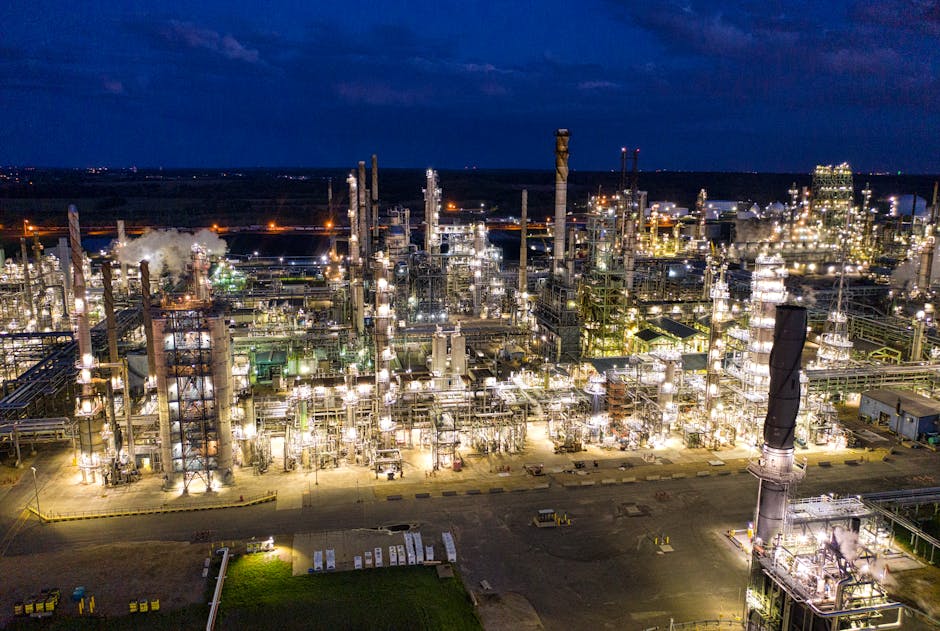
- Japan is particularly vulnerable, importing nearly 90% of its crude oil from the Middle East.
- The recent attacks on Iranian oil facilities have led to rerouting of tankers, increased insurance premiums, and delayed deliveries.
- Prime Minister Takaichi emphasized that the crisis is not confined to the Middle East, affecting every port and household in the Asia Pacific.
Smoke curled from damaged offshore terminals in the Strait of Hormuz, where a drone strike had severed a critical oil pipeline just 48 hours earlier. In Sydney’s sunlit Government House, Prime Minister Sanae Takaichi stood at the podium, her voice steady but edged with urgency. Behind her, the flags of Japan and Australia fluttered in unison. The contrast was stark—thousands of miles away, the pulse of global energy markets flickered, while here, two Pacific allies forged a quiet but determined response. With oil prices surging past $112 a barrel and shipping insurers recalculating risk in real time, Takaichi declared the crisis was no longer confined to the Middle East. “The ripple effects are reaching every port, every refinery, every household in the Asia Pacific,” she said, “And they are enormous.”
Energy Shockwaves Across the Pacific

The conflict surrounding Iran’s oil infrastructure has triggered one of the most severe energy supply disruptions in over a decade, with cascading consequences across Asia. Japan, which imports nearly 90% of its crude oil and relies on Middle Eastern supplies for over 80% of that, is especially vulnerable. The recent attacks on Iranian oil facilities and retaliatory strikes on shipping lanes have forced rerouting of tankers, increased insurance premiums by as much as 300%, and delayed deliveries by up to two weeks. Prime Minister Takaichi, during her three-day visit to Australia, emphasized that the crisis is not merely economic but strategic, threatening food supply chains, transportation, and inflation stability across the region. In response, Japan and Australia finalized a series of energy security agreements, including a commitment to expand liquefied natural gas (LNG) exports from Australian facilities and joint investments in renewable energy infrastructure to reduce long-term fossil fuel dependence. The move signals a deeper regional realignment as Pacific nations seek alternatives to volatile Middle Eastern supplies.
Roots of the Current Crisis

The current energy turmoil traces back to escalating hostilities in the Persian Gulf, where Iran’s nuclear ambitions and regional proxy conflicts have long strained global diplomacy. Tensions surged in early 2024 after an Israeli airstrike destroyed a centrifuge facility in Natanz, prompting Iran to restrict oil exports and target maritime traffic through the Strait of Hormuz—a chokepoint responsible for nearly 20% of the world’s seaborne oil. The United States and European allies responded with sanctions, further constricting supply. For Japan, the crisis echoes past vulnerabilities, notably the 1973 oil embargo that triggered a deep recession. Since then, Tokyo has built strategic petroleum reserves and diversified suppliers, but the region’s enduring reliance on Gulf crude has left it exposed. The current conflict has reignited debates in Tokyo about energy sovereignty and military escort protocols for commercial vessels, issues once thought settled in the post-Cold War era.
Leaders Steering the Response

Prime Minister Sanae Takaichi, a seasoned policymaker with a background in defense and economic security, has emerged as a central figure in Japan’s crisis management. Known for her pragmatic conservatism, Takaichi has pushed for a dual strategy: securing immediate energy alternatives while accelerating Japan’s transition to green energy. Her counterpart in Australia, Prime Minister Anthony Albanese, shares a vision of regional energy resilience, having championed a “Pacific hydrogen corridor” initiative to link renewable projects across Oceania. Their collaboration reflects a broader shift among Asia-Pacific democracies to integrate energy policy with geopolitical strategy. Behind the scenes, energy ministers and defense officials from both nations have been holding emergency consultations, exploring joint naval patrols and emergency supply-sharing frameworks. Takaichi’s visit was not merely symbolic—it was a calibrated signal that regional powers are no longer passive observers in global energy conflicts.
Economic and Strategic Repercussions

The immediate consequences of the Iran-driven oil shock are already visible across Japan’s economy. Inflation has climbed to 4.1%, the highest in 40 years, driven largely by fuel and transportation costs. Small businesses, particularly in logistics and fisheries, report shrinking margins as diesel prices soar. Meanwhile, manufacturers face delays in importing petrochemical feedstocks essential for plastics and electronics. The government has released 15 million barrels from its strategic reserve and is considering fuel tax reductions to cushion the blow. Beyond Japan, the crisis is reshaping regional alliances. South Korea and Taiwan have quietly increased LNG purchases from Australia and Qatar, while Southeast Asian nations are reevaluating their neutrality in Middle Eastern disputes. For Japan, the stakes extend beyond economics—its ability to maintain energy security without direct military involvement in the Gulf will test its diplomatic agility and alliance strength.
The Bigger Picture
This crisis underscores a fundamental transformation in global energy geopolitics. As climate policies and technological advances push the world toward decarbonization, fossil fuel supply shocks are becoming more destabilizing, not less. Nations that once assumed a gradual energy transition now face abrupt disruptions that expose lingering dependencies. Japan’s pivot to Australia and investment in hydrogen and solar infrastructure reflect a broader realization: energy security in the 21st century is not just about access to oil, but about diversification, resilience, and regional cooperation. The Iran conflict, while distant, has become a catalyst for reimagining the Pacific’s energy future—one less tethered to the volatility of the Gulf and more rooted in local and sustainable sources.
What comes next may define Japan’s role in a fragmented global order. Takaichi’s agreements with Australia are temporary fixes in a long-term transformation. Upcoming G7 energy talks and bilateral discussions with the United States will determine whether Japan can leverage its alliances to build a more autonomous energy network. The path forward is uncertain, but the message from Sydney is clear: the Asia Pacific will no longer outsource its energy destiny.
Source: Al Jazeera