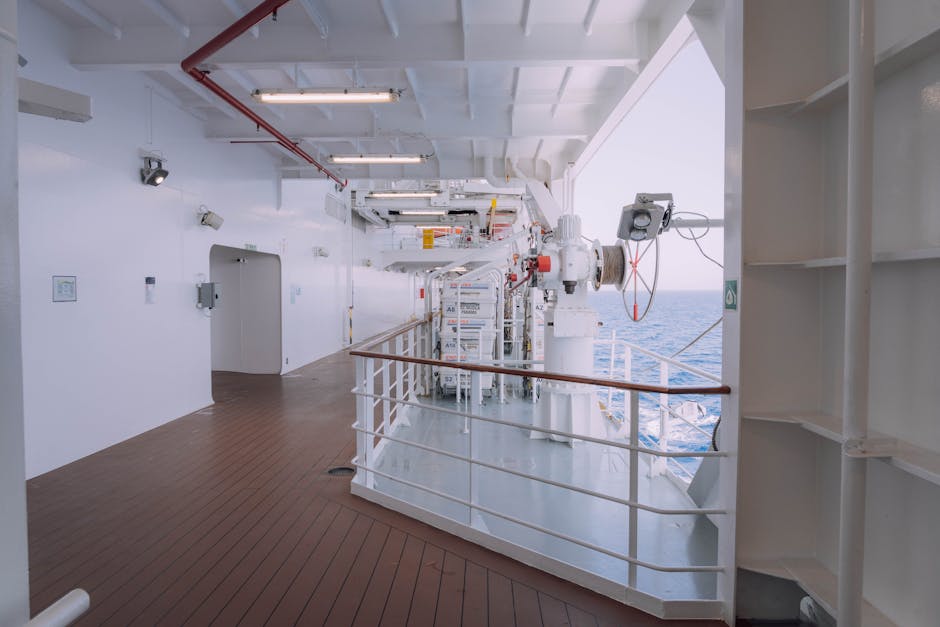
- Hantavirus spread on the Ocean Voyager cruise ship is linked to infected rodents that likely boarded the vessel in San Juan, Puerto Rico.
- Hantavirus is primarily carried by deer mice and other wild rodents, transmitted to humans through inhalation of contaminated droppings.
- The outbreak highlights concerns about biosecurity on long-haul maritime vessels, particularly in confined spaces with shared ventilation systems.
- Even in high-sanitation environments, exposure to hantavirus aerosolized particles is possible when cleaning crews disturb infested areas or ventilation shafts.
- This incident marks a disturbing public health event at sea in recent decades, with dozens of passengers reporting fever, fatigue, and respiratory distress.
Why are three people dead on a luxury cruise crossing the Atlantic? The answer may lie in a rare and often misunderstood virus: hantavirus. As the cruise ship Ocean Voyager docks under quarantine in the Azores, health officials from the WHO and CDC are scrambling to confirm whether the fatalities were caused by hantavirus pulmonary syndrome (HPS), a severe respiratory disease transmitted through rodent droppings, urine, or saliva. The outbreak has raised urgent questions about biosecurity on long-haul maritime vessels, where confined spaces and shared ventilation systems could accelerate transmission of zoonotic pathogens. With dozens of passengers reporting fever, fatigue, and respiratory distress, the incident marks one of the most alarming public health events at sea in recent decades.
What Caused the Outbreak on the Ocean Voyager?

Initial investigations suggest the outbreak originated from infected rodents that likely boarded the ship during its last port call in San Juan, Puerto Rico. Hantavirus is primarily carried by deer mice and other wild rodents; humans become infected when they inhale aerosolized particles from contaminated droppings. On a cruise ship, where cleaning crews may disturb infested storage areas or ventilation shafts, such exposure is possible even in high-sanitation environments. According to preliminary reports from the U.S. Centers for Disease Control and Prevention (CDC), the three deceased individuals had been working in or near the ship’s lower storage decks, where signs of rodent activity were later discovered. While hantavirus is not typically contagious between humans, the confined, air-recirculated environment of a cruise liner may have increased inhalation risks, especially during routine maintenance or cleaning operations.
What Evidence Supports a Hantavirus Diagnosis?

Blood samples taken from affected passengers have been flown to the CDC’s high-containment laboratory in Atlanta for testing, with early serological results indicating the presence of IgM antibodies consistent with acute hantavirus infection. Dr. Elena Martinez, a CDC epidemiologist deployed to the Azores, stated in a press briefing: “The clinical presentation—rapid onset of fever, muscle aches, and pulmonary edema—aligns closely with hantavirus pulmonary syndrome.” Historical data shows a 38% fatality rate for HPS in the U.S., according to the CDC, making early detection critical. Additionally, environmental swabs from the ship’s cargo hold tested positive for rodent DNA and viral RNA fragments matching the Sin Nombre hantavirus strain, commonly found in North America. These findings, while not yet conclusive for all cases, strongly point to an ongoing zoonotic spillover event aboard the vessel.
Are There Alternative Explanations for the Illnesses?

Despite mounting evidence, some experts caution against prematurely labeling the outbreak as hantavirus-driven. Dr. Kwame Osei, an infectious disease specialist at the London School of Hygiene & Tropical Medicine, noted that symptoms like fever and respiratory failure overlap with other pathogens, including leptospirosis, severe influenza, or even early-stage COVID-19 variants. “Without peer-reviewed genomic sequencing and full case histories, we risk misallocating resources,” he said in an interview with BBC News. Moreover, the absence of confirmed human-to-human transmission—typical of hantavirus—raises questions about how so many individuals were exposed simultaneously. Skeptics suggest a secondary vector, such as contaminated water or food supplies, could explain the cluster, though no such source has been identified. The investigation remains open to multiple hypotheses as testing continues.
What Are the Real-World Implications of This Outbreak?

The Ocean Voyager incident could reshape maritime health regulations. Cruise lines operate in a patchwork of international jurisdictions, often evading stringent public health oversight. This event has prompted the World Health Organization (WHO) to call for mandatory pest control audits and enhanced crew training on zoonotic risks. In 2019, a norovirus outbreak on a Caribbean cruise affected over 200 passengers, but hantavirus poses a far deadlier threat due to its high mortality and lack of antiviral treatments. Insurance analysts at Lloyd’s of London have already flagged potential liability risks, while travel advisories for Atlantic crossings may soon include zoonotic disease warnings. The economic fallout for the cruise industry, still recovering from pandemic losses, could be significant if public confidence erodes.
What This Means For You
If you’re planning a cruise or international travel, this incident underscores the importance of understanding vessel health protocols. While hantavirus remains rare, the risk increases in enclosed, poorly ventilated environments with potential rodent infestations. Passengers should inquire about pest control measures and report any signs of vermin immediately. More broadly, this outbreak highlights how global travel networks can amplify zoonotic threats, making early detection and international cooperation essential. As climate change expands rodent habitats, such spillover events may become more common, even in unexpected settings like luxury liners.
Could this outbreak signal a new era of emerging diseases in confined transit environments? As health agencies analyze the full genomic profile of the virus and trace its origins, the answers may influence not just maritime policy but also how we manage infection risks in airplanes, trains, and other high-density transport systems. The Ocean Voyager may become a case study in the evolving frontlines of pandemic preparedness.
Source: BBC