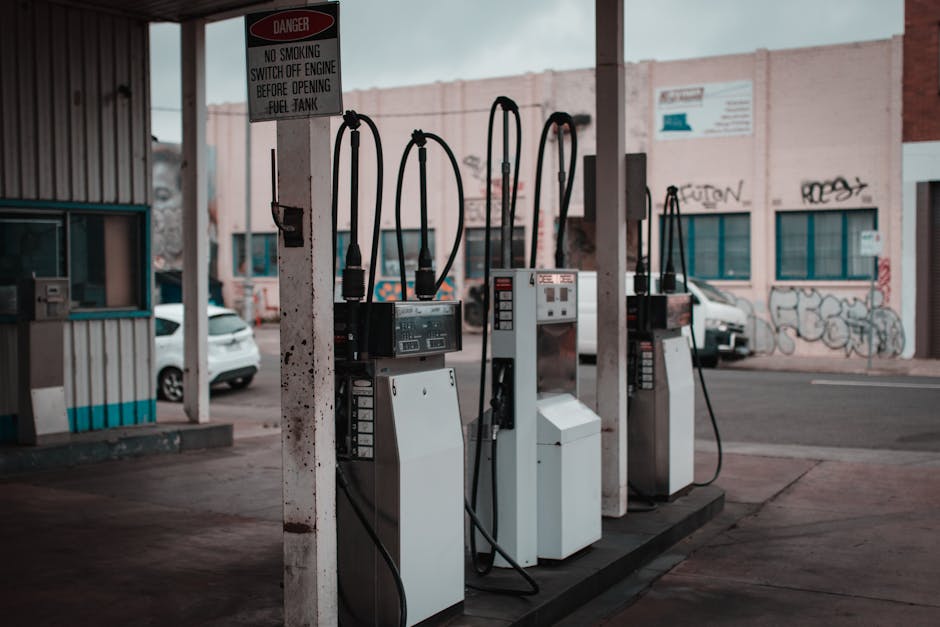
- Gas prices surged to unprecedented levels, causing Americans to spend $125 million more on gas in one day.
- The increase in gas prices is having a ripple effect on the entire economy, affecting businesses and individuals.
- Experts warn of a potential recession on the horizon due to the economic instability caused by high gas prices.
- The demand for gas continues to rise, leading to higher prices and limited options for consumers.
- The current situation is a stark reality check for millions of Americans, highlighting the need for economic stability.
The sun had barely risen over the bustling streets of America, but the day had already brought a stark reality check for millions of citizens. As they filled up their gas tanks to start their daily commutes, they were met with a harsh truth: gas prices had surged, leaving them with a hefty bill to pay. The numbers were staggering – Americans spent $125 million more on gas on this particular Friday than they did just a week ago, a clear indication that the country was grappling with a severe case of economic instability.
The Current State of Gas Prices

The current situation is bleak, with gas prices skyrocketing to unprecedented levels. The $125 million increase in just one day is a testament to the volatile nature of the gas market. As the demand for gas continues to rise, so do the prices, leaving consumers with limited options but to dig deeper into their pockets. The surge in gas prices has also raised concerns about the overall health of the economy, with many experts warning of a potential recession on the horizon. According to a report by the Wall Street Journal, the increase in gas prices is having a ripple effect on the entire economy, with businesses and individuals feeling the pinch.
A Look Back at the History of Gas Prices

To understand the current state of gas prices, it’s essential to take a step back and examine the historical context. Gas prices have always been volatile, susceptible to fluctuations in the global market. However, the recent surge is unprecedented, with prices increasing at an alarming rate. The story behind the story is one of supply and demand, with the global economy still reeling from the effects of the pandemic. As countries around the world continue to recover, the demand for gas has increased, leading to a shortage in supply and a subsequent rise in prices. The BBC reports that the pandemic has had a lasting impact on the global economy, with gas prices being just one of the many casualties.
The Key Players in the Gas Price Saga

So, who are the key players in this saga? The answer lies with the oil-producing countries, who have a significant influence on the global gas market. Countries such as Saudi Arabia and Russia have the power to control the supply of gas, thereby affecting the prices. Additionally, the role of the Organization of the Petroleum Exporting Countries (OPEC) cannot be overstated, as they work to regulate the global oil market. The motivations of these players are multifaceted, with some seeking to increase their revenue, while others aim to exert their influence on the global stage. As reported by Reuters, the oil-producing countries are walking a fine line, balancing their need for revenue with the potential consequences of high gas prices on the global economy.
The Consequences of Rising Gas Prices

The consequences of rising gas prices are far-reaching, affecting not just individual consumers but also businesses and the economy as a whole. As gas prices continue to surge, businesses are forced to increase their prices, leading to a rise in inflation. This, in turn, affects the purchasing power of consumers, who are left with limited disposable income. The impact on the economy is significant, with many experts warning of a potential recession on the horizon. The New York Times reports that the rise in gas prices is having a devastating impact on low-income families, who are struggling to make ends meet.
The Bigger Picture
The surge in gas prices is not just a local issue; it has far-reaching implications for the global economy. As the world continues to grapple with the effects of the pandemic, the rise in gas prices is a stark reminder of the interconnectedness of the global economy. The increase in gas prices is a symptom of a larger problem, one that requires a coordinated effort to address. As the world’s economies continue to evolve, it’s essential to consider the long-term implications of rising gas prices and work towards a more sustainable future. According to the Guardian, the rise in gas prices is a wake-up call for governments and businesses to invest in renewable energy sources and reduce their reliance on fossil fuels.
In conclusion, the surge in gas prices is a complex issue, one that requires a nuanced understanding of the global economy. As Americans continue to grapple with the consequences of rising gas prices, it’s essential to consider the broader implications and work towards a more sustainable future. The question on everyone’s mind is – what comes next? Will the gas prices continue to rise, or will the global economy find a way to stabilize? Only time will tell, but one thing is certain – the world is watching, and the consequences of inaction will be severe.
Source: Reddit