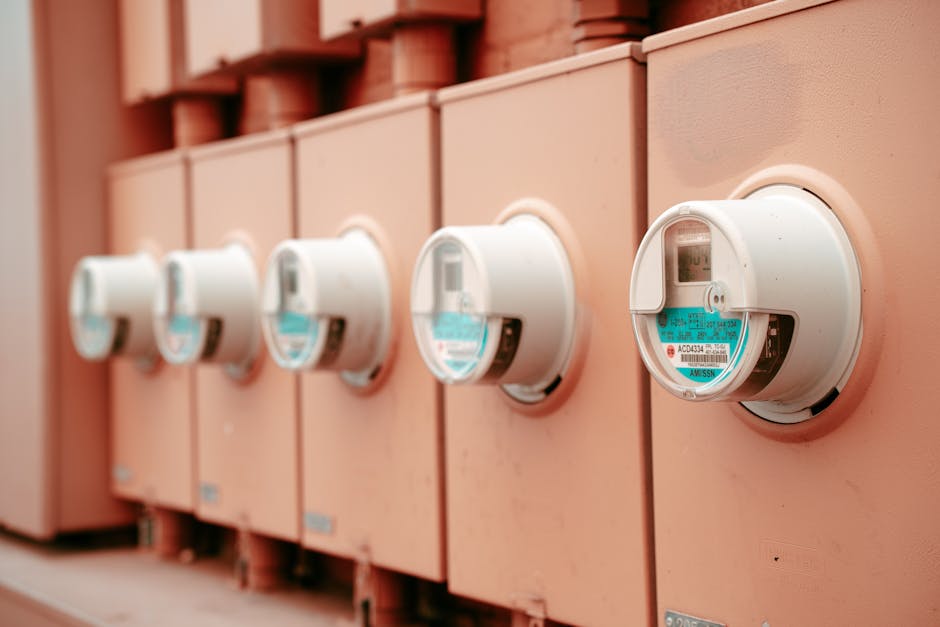
- Denmark, a leader in renewable energy, faces a growing strain on its power grid due to surging data center electricity consumption.
- Data centers now account for approximately 8% of Denmark’s total electricity usage, with projections indicating a doubling by 2027.
- The rapid expansion of data centers, including those used for cryptomining, is outpacing the country’s electricity supply capabilities.
- Eastern Denmark, specifically the Zealand region, is experiencing the most significant impact from this increased digital demand.
- This situation highlights a potential conflict between Denmark’s sustainability goals and the energy needs of the global digital economy.
On the windswept coast of Jutland, where offshore turbines spin like silver sentinels above the North Sea, Denmark has long been heralded as a model of clean energy innovation. For decades, the country has championed wind power, setting ambitious carbon neutrality targets and exporting its green expertise worldwide. Yet beneath this image of environmental stewardship, a quieter crisis is unfolding. In industrial parks and former farmlands, massive data centers clad in steel and glass now hum with relentless activity—powered by the very electricity meant to decarbonize Danish homes and transport. These digital warehouses, operated by global tech giants and energy-hungry cryptomining firms, are consuming power at a pace that outstrips supply. Local transformers groan, regional grids flicker, and once-quiet villages now live under the constant drone of cooling systems. Denmark, a pioneer of sustainability, is confronting an uncomfortable truth: its green revolution may be powering someone else’s cloud.
Grid Under Siege from Digital Demand

Denmark’s power grid is experiencing unprecedented strain, driven primarily by a 30% year-over-year increase in data center electricity consumption, according to the Danish Energy Agency. In 2023, data centers accounted for nearly 8% of the nation’s total electricity use—a figure projected to double by 2027 if current trends continue. The heaviest burden falls on eastern Denmark, particularly the Zealand region surrounding Copenhagen, where foreign investment has concentrated. Energinet, the national grid operator, has issued multiple alerts warning of capacity limits, halting new connections in key zones. In some areas, local utilities have imposed moratoriums on new data center projects, citing risks to residential and emergency power stability. The problem is exacerbated by the intermittent nature of wind energy: while Denmark generates more than 50% of its electricity from wind, periods of low wind leave little surplus to meet spikes in digital demand. This mismatch threatens not only energy security but also the nation’s ability to meet its legally binding 2030 emissions reduction target of 70% below 1990 levels.
From Wind Pioneers to Data Crossroads

The roots of this crisis stretch back to the 2010s, when Denmark positioned itself as a green data haven. With abundant wind resources, a stable political climate, and access to Northern European markets, the country actively courted tech firms seeking low-carbon hosting solutions. Tax incentives, streamlined permitting, and promises of 100% renewable power lured companies like Apple, Google, and Meta to build or expand facilities. But as global cloud computing and artificial intelligence surged, so did demand. Smaller operators, including cryptocurrency miners, followed, often exploiting loopholes in energy reporting. By 2022, over 100 data centers were either operational or in development, many clustered in areas not designed for such loads. The Danish government, initially welcoming the investment, underestimated the pace of growth. Now, officials admit they lacked the foresight to couple economic incentives with binding energy-use caps or grid modernization mandates. What began as a sustainable success story has become a cautionary tale of unregulated digital expansion.
The Players Shaping Denmark’s Energy Crossroads

At the center of the debate are three key actors: the Danish government, multinational tech firms, and local communities. The Ministry of Climate, Energy, and Utilities is now scrambling to revise regulations, proposing a new licensing system that would tie data center approvals to real-time renewable supply. Meanwhile, tech companies argue they are fulfilling green commitments—Google, for instance, claims its Danish operations are powered by matched renewable energy on an hourly basis. But critics say such claims often rely on accounting mechanisms rather than actual grid flow. Local municipalities, once eager for jobs and tax revenue, are growing skeptical. In the town of Køge, residents have organized protests against a planned 200-megawatt facility, citing noise, water use, and fears of blackouts. Farmers worry that rising land prices and energy costs will make agriculture unsustainable. The tension reflects a broader global dilemma: who benefits from the digital economy, and who bears its hidden costs?
Stakes Beyond the Grid

The consequences extend far beyond Denmark’s borders. If the country fails to manage demand, it risks undermining its credibility as a green leader and deterring future clean-tech investment. European Union regulators are watching closely, as Denmark’s experience could inform broader data center sustainability rules under the EU’s Green Deal. Domestically, rising electricity prices could disproportionately affect low-income households, especially as heating and transport electrify. There are also national security concerns: over-reliance on foreign-owned data infrastructure raises questions about energy sovereignty. Some experts warn that without urgent action, Denmark may be forced to restart coal-fired plants during peak demand—a move that would shatter its climate narrative. The crisis has ignited a national debate about growth limits, with even pro-business parties calling for a pause on new projects until grid resilience improves.
The Bigger Picture
Denmark’s struggle is a microcosm of a global challenge. As artificial intelligence, streaming, and cloud services expand, the world’s digital footprint grows heavier. According to a 2023 report by the International Energy Agency, data centers now consume 1-2% of global electricity—a figure expected to rise rapidly. Countries from Ireland to Singapore face similar tensions between tech investment and energy sustainability. Denmark’s predicament underscores a fundamental flaw in how we account for digital emissions: clean energy pledges often ignore the physical realities of power grids. True sustainability requires not just renewable sources, but smarter demand management, localized energy storage, and tougher transparency rules for corporate energy claims.
What comes next may redefine Denmark’s role in the digital age. The government is considering a nationwide cap on data center energy use and investing in offshore wind-linked battery farms. Some municipalities are exploring community-owned data centers that prioritize local benefit. The path forward demands trade-offs—between growth and stability, innovation and responsibility. Denmark’s choice will resonate far beyond its shores, offering either a blueprint for balance or a warning of what happens when the cloud outpaces the ground.
Source: CNBC