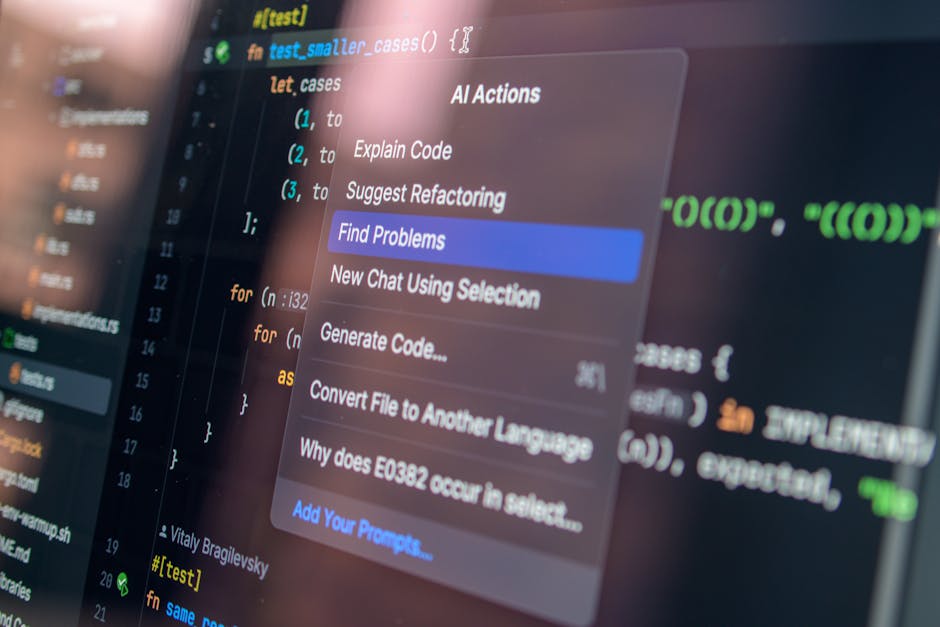
- VS Code now automatically inserts ‘Co-Authored-By: Copilot’ into commits, sparking debate over authorship and ownership.
- AI-powered coding tools like Copilot are increasingly integrated into IDEs, raising concerns about accountability and transparency.
- The use of AI in coding is growing, but its role in software development raises questions about human-AI collaboration and authorship.
- VS Code’s new feature has sparked concerns over the blurring of lines between human and machine contributions in open-source projects.
- The controversy highlights the need for a clear understanding of authorship and ownership in AI-assisted coding environments.
A striking fact has emerged in the world of software development: VS Code, one of the most widely used integrated development environments (IDEs), has started inserting ‘Co-Authored-By: Copilot’ into commits, even when the AI-powered coding tool is not explicitly used. This unexpected move has sparked a heated debate among developers, with some expressing concerns over authorship and ownership of code. As the use of AI in coding continues to rise, this development raises important questions about the role of human developers versus AI tools in the creation of software.
The Rise of AI-Powered Coding Tools

The integration of AI-powered tools like Copilot into IDEs like VS Code is a relatively recent phenomenon, but one that has gained significant traction in a short amount of time. These tools use machine learning algorithms to analyze code and provide suggestions, auto-complete tasks, and even write entire functions. The goal is to increase developer productivity and efficiency, allowing them to focus on the more complex aspects of software development. However, as AI’s role in coding grows, so do concerns about accountability, transparency, and the potential blurring of lines between human and machine contributions.
Key Details of the Controversy

The controversy surrounding VS Code’s automatic insertion of ‘Co-Authored-By: Copilot’ into commits centers on issues of authorship and the potential implications for open-source projects and collaborative development. Developers are questioning why this information is being added without their explicit consent or even usage of the Copilot feature. Furthermore, there are concerns about how this could affect the integrity of commit histories and the ability to accurately track changes and contributions within a project. The lack of clear communication from the developers of VS Code regarding the purpose and implications of this feature has only added to the confusion and discontent among the developer community.
Analysis of the Situation
An analysis of the situation reveals a complex interplay of technological advancement, community norms, and legal considerations. On one hand, the integration of AI tools into coding environments represents a significant leap forward in terms of potential productivity gains and the ability to tackle complex software challenges. On the other hand, the automatic attribution of code to an AI tool without clear guidelines or community consensus raises ethical questions about ownership, copyright, and the future of collaborative software development. Experts point out that as AI-generated content becomes more prevalent, there will be a growing need for standards and regulations that clarify these issues and provide a framework for responsible AI use in coding.
Implications for the Developer Community
The implications of VS Code’s ‘Co-Authored-By: Copilot’ feature are far-reaching, affecting not just individual developers but the broader open-source and collaborative development communities. For many, the issue is not just about the technical aspects of commit history and code ownership but also about the principles of transparency, consent, and community governance. As the use of AI in coding becomes more ubiquitous, developers, project maintainers, and users will need to navigate these complex issues, potentially leading to new norms, tools, and best practices that balance the benefits of AI assistance with the need for clear authorship and accountability.
Expert Perspectives
Experts in the field offer contrasting viewpoints on the issue, reflecting the diversity of opinions within the developer community. Some argue that the automatic insertion of ‘Co-Authored-By: Copilot’ is a necessary step towards recognizing the role of AI in software development, promoting transparency about the tools used in the coding process. Others see it as an overreach, potentially undermining the authority and contributions of human developers. These differing perspectives highlight the need for ongoing discussion and the development of community standards that can guide the integration of AI tools into coding practices.
Looking forward, the key question is how the developer community, along with the creators of VS Code and similar tools, will address these concerns and work towards a solution that balances the benefits of AI-powered coding assistance with the need for transparency, accountability, and respect for human contributions. As the technology continues to evolve, what remains to be seen is whether the inclusion of ‘Co-Authored-By’ attributions will become a standard practice, and if so, how it will be implemented in a way that respects the rights and concerns of all parties involved.