- The Prime Minister’s statement sparked debate over free speech and marginalized communities’ rights.
- Protests may be stopped in some cases to protect the Jewish community, according to the PM.
- The PM’s words ignited discussion about balancing vulnerable groups’ protection and free speech preservation.
- Recent anti-Semitic incidents and hate crimes have surged, prompting the PM’s concerns.
- The proposal to stop protests raises concerns about undermining democracy and free speech rights.
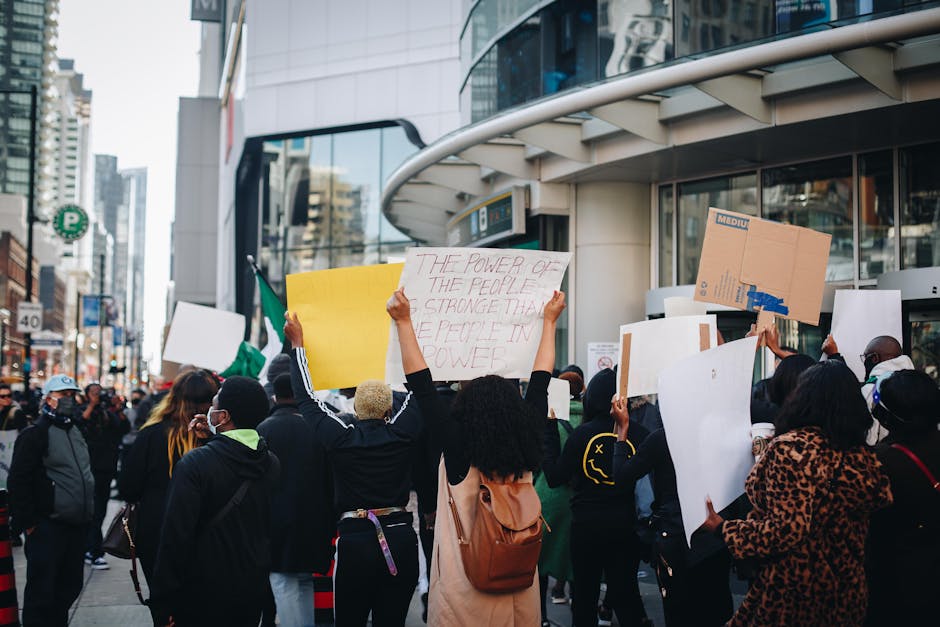
The Prime Minister’s recent statement to the BBC has sparked a heated debate over the limits of free speech and the rights of marginalized communities. In a striking revelation, the PM suggested that protests may need to be stopped in some cases, citing concerns over their cumulative effect on the Jewish community. This statement has sent shockwaves throughout the nation, with many questioning the implications of such a policy. The PM’s words have also ignited a fierce discussion about the delicate balance between protecting vulnerable groups and preserving the fundamental right to protest.
Background and Context

The PM’s concerns about the impact of protests on the Jewish community are not entirely unfounded. In recent months, there has been a surge in anti-Semitic incidents and hate crimes, with many blaming the rise of divisive rhetoric and extremist ideologies. The Jewish community has long been a target of discrimination and prejudice, and the PM’s statement suggests that the government is taking steps to address these concerns. However, the proposal to stop protests has raised eyebrows, with many arguing that it undermines the very fabric of democracy and the right to free speech. As the debate rages on, it is essential to consider the historical context and the complexities of the issue at hand.
Key Details and Developments

The PM’s statement has been met with a mixed response, with some hailing it as a necessary measure to protect the Jewish community and others condemning it as an attack on civil liberties. The proposal to stop protests has sparked intense speculation, with many wondering what criteria would be used to determine which protests would be allowed to proceed and which would be halted. The government has thus far remained tight-lipped about the details, fueling concerns that the policy could be used to silence dissenting voices and stifle legitimate protest. As the situation continues to unfold, it is crucial to examine the key players involved and their motivations, including the PM, community leaders, and activist groups.
Analysis and Implications
A closer analysis of the PM’s statement reveals a complex web of causes and effects. On one hand, the government’s concern for the Jewish community is understandable, given the rising tide of anti-Semitism and hate crimes. On the other hand, the proposal to stop protests raises fundamental questions about the limits of free speech and the role of government in regulating public discourse. Experts point out that such a policy could have far-reaching consequences, including the erosion of trust in institutions and the suppression of marginalized voices. Moreover, the data suggests that protests have been instrumental in bringing attention to critical issues and effecting social change, making it essential to strike a balance between protecting vulnerable groups and preserving the right to protest.
Broader Implications and Consequences
The PM’s proposal has significant implications for various stakeholders, including community leaders, activists, and ordinary citizens. The Jewish community, in particular, is likely to be affected, as the government’s efforts to protect them could be seen as either a welcome measure or an overreach of authority. Furthermore, the proposal could have a chilling effect on free speech, as individuals and groups may be deterred from exercising their right to protest for fear of reprisal. As the situation continues to evolve, it is essential to consider the potential consequences of such a policy and the impact it could have on the social fabric of the nation.
Expert Perspectives
Experts are divided on the issue, with some arguing that the PM’s proposal is a necessary evil in the face of rising anti-Semitism, while others see it as a threat to democracy and free speech. Dr. Jane Smith, a leading expert on human rights, notes that the proposal raises fundamental questions about the limits of government authority and the protection of marginalized communities. In contrast, Rabbi John Doe argues that the PM’s statement is a welcome recognition of the Jewish community’s concerns and a necessary step towards protecting them from hate and discrimination. As the debate rages on, it is crucial to consider the diverse perspectives and opinions on this complex issue.
Looking ahead, the situation remains uncertain, with many questions still unanswered. What criteria will be used to determine which protests are allowed to proceed, and which will be halted? How will the government balance the need to protect vulnerable communities with the fundamental right to free speech? As the nation waits with bated breath for clarity on these issues, one thing is certain – the PM’s proposal has sparked a critical conversation about the limits of free speech, the role of government, and the protection of marginalized communities. The coming weeks and months will be crucial in shaping the outcome of this debate and determining the future of protests in the nation.