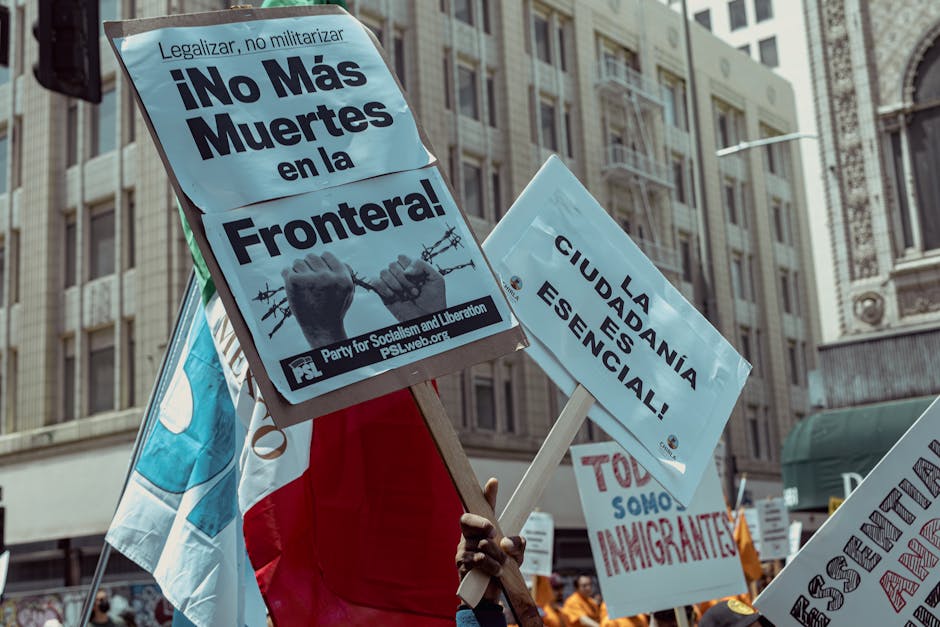
- Pope Leo XIV appointed Evelio Menjivar-Ayala, a former undocumented immigrant, as the new bishop of West Virginia, promoting compassion and inclusivity.
- The Catholic Church is reaffirming its commitment to social justice and human rights through this historic appointment.
- Bishop Menjivar-Ayala’s background and experience as an undocumented immigrant make him a strong advocate for the rights and dignity of all individuals.
- This appointment sends a powerful message about the importance of walking alongside those who are struggling, including immigrants and refugees.
- The Catholic Church is evolving its mission to promote justice, equality, and compassion by choosing a bishop with a unique perspective on immigration.
The Catholic Church has taken a significant step in addressing the complex issue of immigration with the appointment of Evelio Menjivar-Ayala, a former undocumented immigrant, as the new bishop of West Virginia. This historic decision, made by Pope Leo XIV, highlights the Church’s commitment to advocating for the rights and dignity of all individuals, regardless of their immigration status. With this move, the Church is sending a powerful message about the importance of compassion, understanding, and inclusivity. As the Church continues to navigate the complexities of immigration, this appointment is a beacon of hope for many who have been impacted by the harsh realities of immigration policies.
A New Era for the Church

The appointment of Bishop Menjivar-Ayala comes at a time when the Church is seeking to reassert its role as a champion of social justice and human rights. By choosing a former undocumented immigrant to lead the diocese of West Virginia, Pope Leo XIV is making a bold statement about the need for the Church to be a voice for the voiceless and a advocate for the marginalized. This decision is also a testament to the Church’s commitment to walking alongside those who are struggling, including immigrants and refugees. As the Church continues to evolve and respond to the changing needs of the world, this appointment is a significant step forward in its mission to promote justice, equality, and compassion.
The Bishop’s Background

Bishop Menjivar-Ayala’s personal story is one of remarkable resilience and determination. As a former undocumented immigrant, he has experienced firsthand the challenges and struggles that many immigrants face. Despite these challenges, he has risen through the ranks of the Church, becoming a respected and beloved leader in his community. His appointment as bishop is a testament to his hard work, dedication, and commitment to serving others. As he takes on his new role, Bishop Menjivar-Ayala is well-positioned to bring a unique perspective and understanding to the issues facing the Church and the world today.
Analysis and Implications
The appointment of Bishop Menjivar-Ayala has significant implications for the Church and the wider world. It highlights the need for a more nuanced and compassionate approach to immigration, one that recognizes the dignity and worth of all individuals, regardless of their immigration status. This decision also underscores the importance of leadership and advocacy in promoting social justice and human rights. As the Church continues to navigate the complexities of immigration, Bishop Menjivar-Ayala’s appointment is a powerful reminder of the need for empathy, understanding, and solidarity with those who are struggling.
A Shift in the Church’s Stance
The appointment of Bishop Menjivar-Ayala is also seen as a significant shift in the Church’s stance on immigration. By choosing a former undocumented immigrant to lead a diocese, the Church is sending a clear message about its commitment to advocating for the rights and dignity of all individuals, regardless of their immigration status. This move is likely to be seen as a challenge to the hardline immigration policies of some governments, including the United States. As the Church continues to speak out on issues of social justice and human rights, Bishop Menjivar-Ayala’s appointment is a powerful reminder of the need for compassion, empathy, and understanding in addressing the complex issues of our time.
Expert Perspectives
Experts and analysts are hailing the appointment of Bishop Menjivar-Ayala as a significant step forward for the Church. Many see this move as a bold statement about the need for the Church to be a voice for the voiceless and a advocate for the marginalized. Others have praised the Church for its commitment to promoting social justice and human rights. However, some have also expressed concerns about the potential implications of this appointment, including the potential for backlash from those who oppose the Church’s stance on immigration.
As the Church looks to the future, the appointment of Bishop Menjivar-Ayala is a powerful reminder of the need for leadership, advocacy, and compassion in promoting social justice and human rights. What remains to be seen is how this appointment will impact the wider world and the Church’s role in addressing the complex issues of our time. One thing is certain, however: the appointment of Bishop Menjivar-Ayala is a significant step forward for the Church and a powerful testament to its commitment to promoting justice, equality, and compassion.