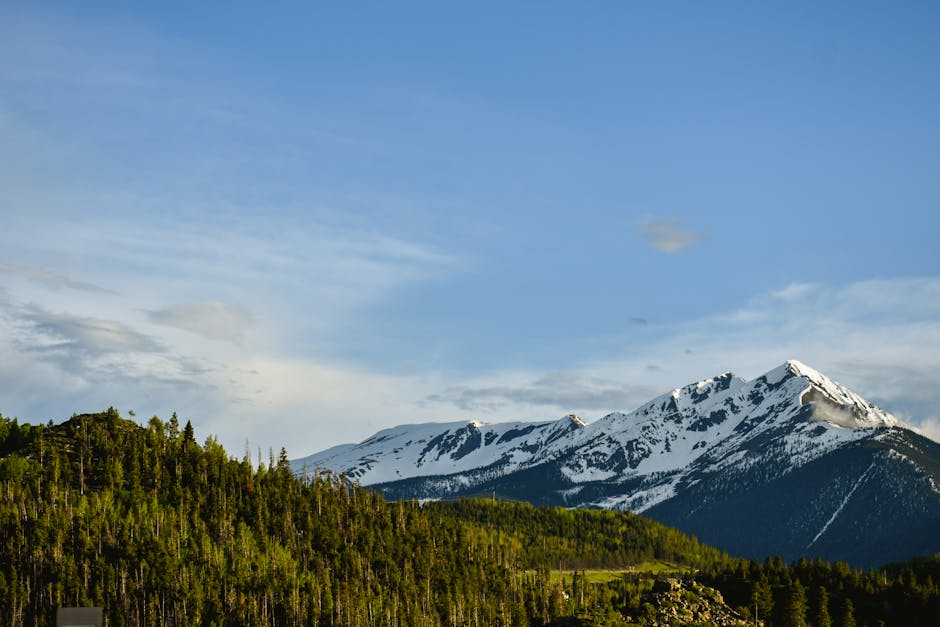
- Mournes wildfires have left the region’s ecosystem on the brink of collapse, with potential recovery taking centuries.
- Thousands of acres of land have been scorched, affecting countless species of flora and fauna in the area.
- The Mournes’ unique ecosystem is vital for regional biodiversity, making the repeated fires a major concern.
- The delicate balance of the Mournes ecosystem is threatened by the devastating impact of repeated wildfires.
- Conservation experts warn that the damage from the wildfires may be irreversible due to their cumulative effect.
The recent wildfires in the Mournes have left the region’s ecosystem on the brink of collapse, with conservation experts warning that it could take centuries for the area to recover. The sheer scale of the damage is striking, with thousands of acres of land scorched and countless species of flora and fauna affected. The Mournes, known for their unique and diverse ecosystem, are a haven for nature lovers and a vital part of the region’s biodiversity. However, the repeated fires have raised concerns about the long-term sustainability of the area, with many experts fearing that the damage may be irreversible.
The Delicate Balance of the Mournes Ecosystem

The Mournes ecosystem is a complex and delicate balance of flora and fauna, with many species relying on each other for survival. The area is home to a wide range of plant and animal species, many of which are found nowhere else in the world. The ecosystem is also closely tied to the region’s geology, with the unique rock formations and soil types supporting a diverse range of plant life. However, this delicate balance is under threat from the repeated wildfires, which are having a devastating impact on the area’s biodiversity. Conservation experts are warning that the fires are like “death by a thousand cuts”, with each successive fire causing further damage to the already fragile ecosystem.
The Causes of the Wildfires

The causes of the wildfires in the Mournes are complex and multifaceted, with a combination of natural and human factors contributing to the problem. Climate change is thought to be a major factor, with rising temperatures and changing weather patterns creating conditions that are ripe for wildfires. Human activity, such as arson and accidental ignition, is also a significant contributor to the problem. Furthermore, the proliferation of non-native species, such as rhododendron, has created a tinderbox of combustible material that can fuel the spread of wildfires. The lack of effective conservation measures and the failure to implement sustainable land management practices have also been cited as contributing factors to the problem.
Analysis of the Damage
The damage caused by the wildfires in the Mournes is extensive and far-reaching, with the ecosystem suffering a significant blow. The fires have destroyed large areas of habitat, leaving many species without a home and disrupting the delicate balance of the ecosystem. The loss of biodiversity is a major concern, with many species facing the threat of extinction. Furthermore, the fires have also had a significant impact on the region’s geology, with soil erosion and landslides causing further damage to the already fragile landscape. Conservation experts are warning that the damage may be irreversible, with the ecosystem potentially taking centuries to recover.
Implications for the Region
The implications of the wildfires in the Mournes are far-reaching, with the region’s ecosystem, economy, and communities all being affected. The loss of biodiversity and the damage to the ecosystem have significant implications for the region’s natural heritage, with many species facing the threat of extinction. The economic implications are also significant, with the tourism industry, which is a major contributor to the region’s economy, being affected by the damage to the landscape. Furthermore, the wildfires have also had a significant impact on the region’s communities, with many people being displaced and affected by the fires.
Expert Perspectives
Conservation experts are divided on the best course of action to take in order to mitigate the damage caused by the wildfires. Some experts are advocating for a more proactive approach, with measures such as controlled burning and habitat restoration being implemented in order to reduce the risk of future wildfires. Others are warning that such measures may be ineffective, and that a more nuanced approach is needed in order to address the complex causes of the problem. One thing is certain, however, and that is that urgent action is needed in order to protect the Mournes ecosystem and prevent further damage.
As the region looks to the future, there are many questions that remain unanswered. What will be the long-term impact of the wildfires on the Mournes ecosystem? Can the damage be reversed, or is it irreversible? What measures can be taken in order to prevent future wildfires and protect the region’s natural heritage? These are just a few of the questions that will need to be addressed in the coming months and years, as the region seeks to recover from the devastating impact of the wildfires.