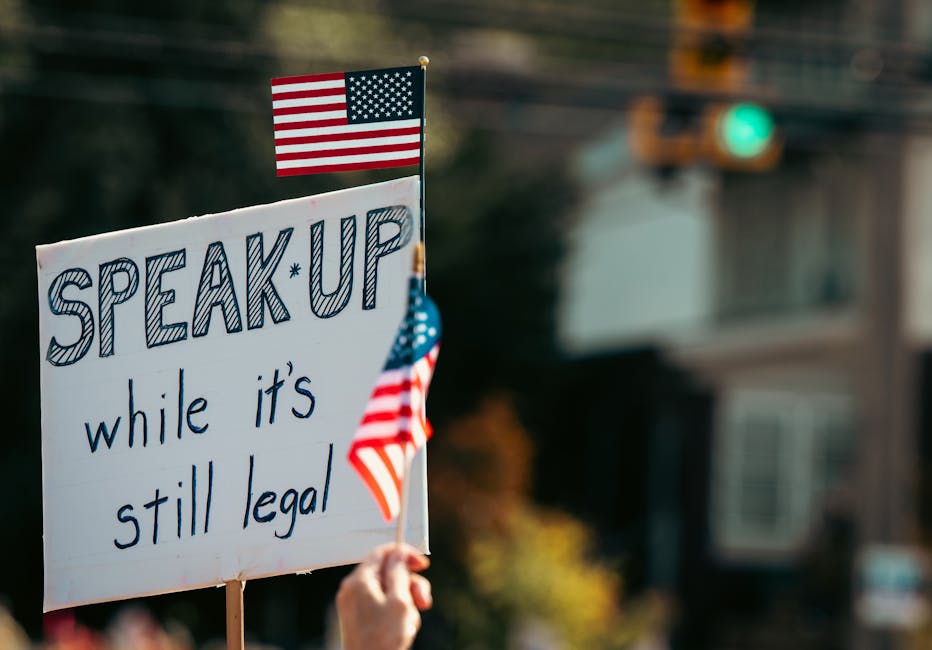
- A significant portion of Americans (over 60%) believe the US media reports false or misleading information, creating a vacuum for conspiracy theories.
- The widespread dissemination of misinformation on social media has enabled conspiracy theories to spread rapidly in the US.
- Eroding trust in traditional institutions has led Americans to seek alternative sources of information, which can be manipulated by those with ulterior motives.
- Conspiracy theories have become an integral part of the US national discourse, often dominating headlines and shaping public opinion.
- The blurring of fact and fiction in the US has significant implications for the country’s social fabric and democratic institutions.
The latest assassination attempt on former President Donald Trump has sent shockwaves across the United States, highlighting the deep-seated mistrust in the media and the proliferation of conspiracy theories. According to recent polls, over 60% of Americans believe that the media often reports false or misleading information, creating a vacuum that conspiracy theories are eager to fill. This disturbing trend has significant implications for the country’s social fabric and democratic institutions. As the lines between fact and fiction continue to blur, it is essential to examine the root causes of this phenomenon and its potential consequences.
The Rise of Conspiracy Culture

The current landscape of conspiracy theories in the US is a complex and multifaceted issue, with roots in the country’s history and exacerbated by modern technology. The widespread dissemination of misinformation on social media platforms has created an environment where conspiracy theories can spread rapidly, often without being fact-checked or debunked. Furthermore, the erosion of trust in traditional institutions, including the media, government, and academia, has led to a situation where many Americans are seeking alternative sources of information, which can be manipulated by those with ulterior motives. As a result, conspiracy theories have become an integral part of the national discourse, often dominating headlines and shaping public opinion.
Key Events and Players

The recent assassination attempt on Donald Trump is just one example of the many incidents that have contributed to the growing mistrust in the media and the rise of conspiracy theories. Other significant events, such as the COVID-19 pandemic, the 2020 presidential election, and the January 6th storming of the US Capitol, have also played a role in shaping the narrative. Key players, including politicians, media personalities, and social media influencers, have often been accused of spreading misinformation and fueling conspiracy theories, either intentionally or unintentionally. The lack of transparency and accountability in these events has created an environment where conspiracy theories can thrive, often at the expense of fact-based reporting and nuanced analysis.
Analysis and Implications
The proliferation of conspiracy theories in the US has significant implications for the country’s social cohesion, democratic institutions, and global reputation. According to experts, the spread of misinformation can have serious consequences, including the erosion of trust in institutions, the polarization of society, and the manipulation of public opinion. Moreover, the lack of critical thinking and media literacy among many Americans has created a situation where conspiracy theories can be used as a tool for social control, often to further the interests of those in power. As the US struggles to come to terms with its conspiracy culture, it is essential to examine the underlying causes of this phenomenon and develop strategies to mitigate its effects, including promoting media literacy, supporting fact-based reporting, and encouraging critical thinking.
Consequences and Repercussions
The consequences of the US’s conspiracy culture are far-reaching and multifaceted, affecting various aspects of American society. The erosion of trust in institutions, the polarization of society, and the manipulation of public opinion are just a few examples of the potential repercussions. Furthermore, the spread of conspiracy theories can have serious consequences for individuals, including social ostracism, economic loss, and even physical harm. As the US navigates this complex landscape, it is essential to consider the potential implications of conspiracy theories and develop strategies to mitigate their effects, including promoting critical thinking, supporting fact-based reporting, and encouraging nuanced analysis.
Expert Perspectives
Experts are divided on the best approach to addressing the US’s conspiracy culture, with some advocating for increased media literacy, while others recommend more stringent regulations on social media platforms. According to Dr. Kathryn Olmsted, a historian and expert on conspiracy theories, “the key to addressing this issue is to promote critical thinking and media literacy, encouraging Americans to think more nuancedly about the information they consume.” In contrast, Dr. Yochai Benkler, a professor of law and computer science, argues that “the solution lies in creating a more transparent and accountable media ecosystem, where fact-based reporting is valued and promoted.”
As the US moves forward, it is essential to consider the implications of its conspiracy culture and develop strategies to mitigate its effects. One key question is how to balance the need for free speech with the need to regulate misinformation, a challenge that will require careful consideration and nuanced analysis. As the country navigates this complex landscape, it is clear that the consequences of inaction will be severe, and the need for a comprehensive and multifaceted approach to addressing conspiracy theories has never been more pressing.