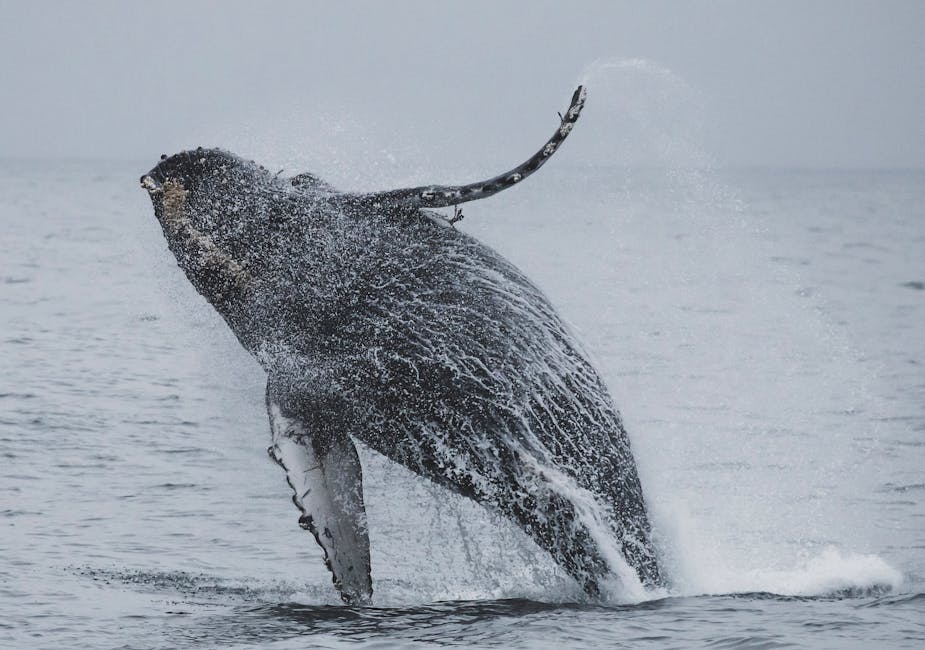
- A humpback whale calf named Timmy has been repeatedly stranded off the coast of Germany, sparking concern and media attention.
- Humpback whales are known for their long migrations but this case involves sightings in an unusual region, highlighting unusual behavior.
- The event raises questions about the conservation efforts and the impact of human activities on marine ecosystems.
- Despite their population recovery from overhunting, humpback whales still face threats like climate change and pollution.
- Timmy’s story serves as a reminder of the challenges in protecting marine life and the need for cooperation among conservationists.
A striking fact has emerged in the world of marine conservation: a humpback whale calf, named Timmy, has been at the center of a dramatic series of events off the coast of Germany, with its repeated stranding sparking widespread concern and extensive media coverage. The young whale’s journey has captivated the hearts of many, raising important questions about the welfare of these magnificent creatures and the conservation efforts in place to protect them. With its population once on the brink of collapse due to overhunting, the humpback whale’s story is one of both tragedy and resilience. As the world watches Timmy’s progress, it is a poignant reminder of the delicate balance between human activity and the marine ecosystem.
The Great Escape: Timmy’s Journey to the North Sea

The background to Timmy’s story is one of both fascination and alarm. Humpback whales are known for their impressive migrations, traveling thousands of miles each year to reach their breeding and feeding grounds. However, Timmy’s journey took an unexpected turn when it became stranded off the coast of Germany, a region not typically associated with humpback whale sightings. This unusual occurrence has highlighted the need for greater understanding and cooperation between marine conservationists, researchers, and local authorities to ensure the safe passage and well-being of these animals. As the world grapples with the challenges of climate change, habitat destruction, and pollution, the plight of Timmy and its fellow humpback whales serves as a stark reminder of the importance of protecting our planet’s precious marine resources.
A Tale of Stranding and Rescue

Key details have emerged about the events surrounding Timmy’s stranding, which has been extensively covered by local and international media. The young whale’s repeated appearances on the German coastline have been met with a mixture of awe and concern, as experts and bystanders alike have worked to ensure its safety and eventual return to the open sea. The involvement of local marine biologists, conservation groups, and government agencies has been crucial in coordinating the rescue efforts, underscoring the complexity and challenge of such operations. As the story of Timmy continues to unfold, it is clear that the collaboration and dedication of these individuals and organizations will play a vital role in determining the outcome of this remarkable tale.
Understanding the Causes and Consequences
An analysis of the factors contributing to Timmy’s stranding and the broader implications for humpback whale conservation reveals a complex interplay of environmental, social, and economic factors. Experts point to the impact of climate change, which is altering the distribution and abundance of prey species, as well as the destructive effects of pollution and habitat destruction. Furthermore, the increase in maritime traffic and coastal development poses a significant threat to marine life, highlighting the need for more effective management and regulation of human activities in sensitive ecosystems. As researchers and policymakers delve deeper into the data and expert insights, it becomes increasingly clear that a multifaceted approach is required to address the pressing issues facing humpback whale populations and the marine environment as a whole.
Implications for Marine Conservation
The implications of Timmy’s story extend far beyond the individual animal, with significant consequences for marine conservation efforts and the communities that depend on these ecosystems. The humpback whale’s migration patterns, feeding habits, and social behavior are all intimately connected with the health of the ocean, making them an important indicator species for the overall state of marine biodiversity. As the world strives to balance human needs with environmental protection, the fate of Timmy and its fellow humpback whales serves as a powerful reminder of the importance of preserving the delicate balance of the marine ecosystem and the need for sustained conservation efforts to safeguard these incredible creatures for future generations.
Expert Perspectives
Contrasting viewpoints and expert opinions on the topic of humpback whale conservation highlight the complexity and nuance of this issue. While some argue that increased funding and resources are necessary to support conservation efforts, others emphasize the need for more effective policy and regulation to address the root causes of marine pollution and habitat destruction. As experts continue to debate and discuss the best course of action, it is clear that a collaborative and interdisciplinary approach will be essential in developing and implementing effective solutions to the challenges facing humpback whale populations and the marine environment.
Looking to the future, the story of Timmy the humpback whale raises important questions about the long-term prospects for these animals and the ecosystems they inhabit. As the world watches and waits to see how Timmy’s journey unfolds, it is a poignant reminder of the need for continued vigilance, research, and conservation efforts to protect these incredible creatures and the marine environment they call home. What will be the ultimate outcome of Timmy’s story, and what lessons can be learned from this remarkable tale of survival and resilience in the face of adversity?