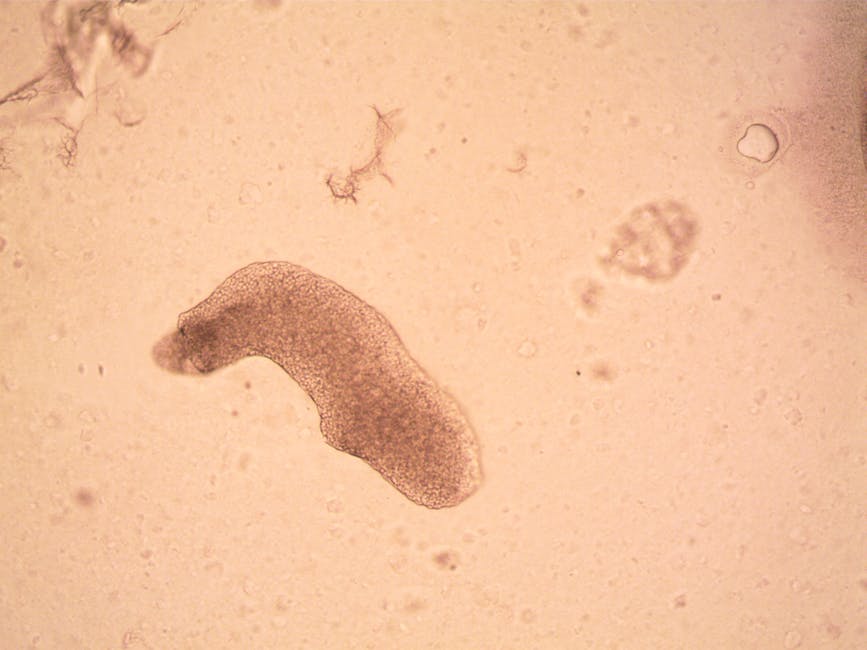
A striking fact has emerged in the realm of global health: free-living amoebae, once considered a minor concern, are now spreading rapidly across the globe, posing a significant threat to human health. These microorganisms, which thrive in warm and contaminated water, can cause deadly infections, including amoebic encephalitis and keratitis. With the World Health Organization (WHO) estimating that over 1 billion people lack access to safe drinking water, the risk of amoeba-borne illnesses is escalating. As temperatures continue to rise and water systems remain outdated, the perfect storm is brewing for the proliferation of these dangerous microbes.
The Amoeba Threat: A Growing Concern

The emergence of free-living amoebae as a global health concern is a pressing issue that warrants immediate attention. While many species of amoebae are harmless, some can have devastating consequences, including the ability to protect other dangerous microbes, such as bacteria and viruses, from heat and disinfectants. This symbiotic relationship makes them especially hard to control, as traditional water treatment methods may not be effective against these resilient microorganisms. Furthermore, the lack of awareness and inadequate surveillance systems in many countries exacerbate the problem, allowing the amoebae to spread unchecked.
Key Factors Contributing to the Spread

The rapid spread of free-living amoebae can be attributed to several key factors, including warming temperatures, outdated water systems, and increased global travel. As temperatures rise, amoebae are able to thrive in a wider range of environments, from contaminated water sources to soil and air. Moreover, the inadequacy of water treatment infrastructure in many countries, particularly in developing regions, provides an ideal breeding ground for these microorganisms. The increased mobility of people and goods has also facilitated the spread of amoebae across borders, highlighting the need for a coordinated global response to this emerging health threat.
Analysis of the Amoeba Threat
A closer examination of the amoeba threat reveals a complex interplay of factors, including environmental, social, and economic elements. The ability of amoebae to survive in a wide range of environments, from extreme heat to cold, makes them highly adaptable and resilient. Furthermore, their capacity to form symbiotic relationships with other microorganisms enhances their virulence and makes them more difficult to eradicate. Data from the Centers for Disease Control and Prevention (CDC) and the WHO indicate a significant increase in reported cases of amoeba-borne illnesses, underscoring the need for improved surveillance and monitoring systems. Expert analysis suggests that a multi-faceted approach, incorporating enhanced water treatment, improved sanitation, and increased awareness, is necessary to mitigate the spread of these dangerous microbes.
Implications of the Amoeba Threat
The implications of the amoeba threat are far-reaching, with significant consequences for human health, economies, and societies. The most vulnerable populations, including the elderly, young children, and those with compromised immune systems, are at increased risk of contracting amoeba-borne illnesses. The economic burden of these illnesses is also substantial, with estimated costs running into billions of dollars annually. Moreover, the psychological and social impacts of these illnesses, including fear, stigma, and social isolation, can have long-lasting effects on individuals and communities.
Expert Perspectives
Experts in the field of microbiology and public health offer contrasting viewpoints on the amoeba threat, highlighting the complexity and nuance of this issue. While some argue that improved water treatment and sanitation infrastructure are the key to mitigating the spread of amoebae, others emphasize the need for increased awareness and education, particularly in high-risk communities. Dr. Maria Rodriguez, a leading expert on amoebae, notes that “the amoeba threat is a ticking time bomb, and we need to take immediate action to prevent a global health catastrophe.” In contrast, Dr. John Taylor, a public health specialist, suggests that “the solution lies in a multi-faceted approach, incorporating not only improved water treatment but also enhanced surveillance, monitoring, and community engagement.”
As the global community looks to the future, one question remains: what can be done to prevent the further spread of these dangerous microbes? The answer lies in a coordinated and sustained effort to improve surveillance, water treatment, and awareness, as well as increased investment in research and development of effective treatments and prevention strategies. As the WHO notes, “the fight against free-living amoebae requires a global response, and we must work together to protect human health and prevent the devastating consequences of these illnesses.”