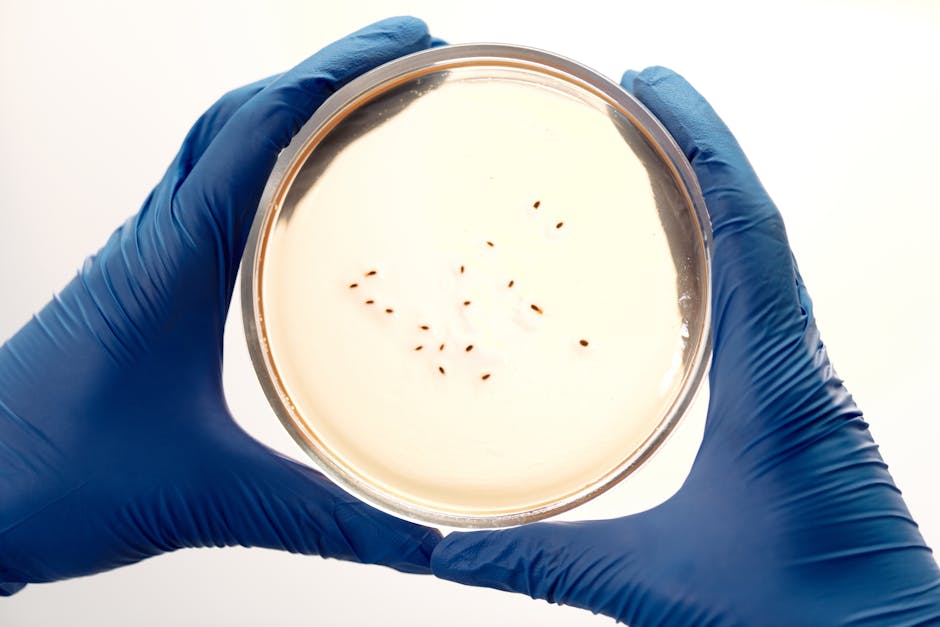
- Scientists have discovered a new ‘cellular organ’ in cow gut microbes responsible for methane production.
- Cows’ methane emissions contribute 14.5% of global greenhouse gas emissions, exacerbating climate change.
- Gut microbes in cows play a crucial role in producing methane through belching.
- The discovery of the cellular organ has significant implications for reducing methane emissions from livestock.
- Understanding methane production in cow gut microbes can lead to novel approaches to mitigate climate change.
A staggering 14.5% of global greenhouse gas emissions are attributed to methane produced by livestock, with cows being one of the primary contributors. The methane they produce is released into the atmosphere through belching, and this phenomenon has long been a subject of interest for scientists seeking to mitigate climate change. Recent research published in Nature has made a groundbreaking discovery, unveiling a previously unknown ‘cellular organ’ within the gut microbes of cows, which plays a crucial role in methane production. This finding has significant implications for the development of strategies to reduce methane emissions from grazing animals.
Unraveling the Mystery of Methane Production

The discovery of this new cellular organ is particularly timely, given the growing concern about the environmental impact of livestock farming. As the global population continues to rise, the demand for meat and dairy products is increasing, leading to an expansion of the livestock industry. This, in turn, has resulted in a surge in methane emissions, exacerbating climate change. The identification of the underlying mechanisms driving methane production in cows is essential for the development of effective mitigation strategies. By understanding how methane is produced in the gut microbes of cows, scientists can now explore novel approaches to reduce these emissions, thereby contributing to a more sustainable food system.
The Science Behind the Discovery

The research team employed cutting-edge techniques, including cryo-electron microscopy and biochemical analysis, to investigate the gut microbes of cows. Their findings revealed a unique, membrane-bound organelle within the microbes, which they termed the ‘methanogenesis-associated organelle’. This organelle was found to be responsible for the production of methane, as it provides a specialized environment for the enzymes involved in methanogenesis to function efficiently. The discovery of this organelle has significant implications for our understanding of the microbial processes underlying methane production in cows. Furthermore, it highlights the complexity and sophistication of the microbial communities that inhabit the gut of these animals.
Analyzing the Implications
The discovery of the methanogenesis-associated organelle has far-reaching implications for the development of strategies to reduce methane emissions from livestock. By targeting this organelle, scientists may be able to design novel therapeutic approaches, such as probiotics or feed supplements, that can inhibit methane production. Additionally, this finding could inform the development of more sustainable livestock farming practices, such as the use of methane-reducing feed additives or the implementation of grazing management strategies that minimize methane emissions. The potential impact of this research extends beyond the livestock industry, as it contributes to a broader understanding of the microbial processes driving greenhouse gas emissions in various ecosystems.
Broader Consequences
The reduction of methane emissions from livestock has significant consequences for global efforts to mitigate climate change. Methane is a potent greenhouse gas, with a global warming potential 28 times higher than carbon dioxide over a 100-year time frame. As such, reducing methane emissions can have a rapid and pronounced impact on slowing the rate of global warming. The discovery of the methanogenesis-associated organelle represents a crucial step forward in this endeavor, as it provides a novel target for the development of methane-reducing strategies. Furthermore, this research highlights the importance of continued investment in scientific research and development, as it has the potential to yield innovative solutions to some of the world’s most pressing environmental challenges.
Expert Perspectives
Scientists and experts in the field have welcomed the discovery of the methanogenesis-associated organelle, highlighting its potential to drive innovation in the development of methane-reducing technologies. According to Dr. Maria Rodriguez, a leading expert in microbial ecology, ‘this finding represents a major breakthrough in our understanding of the microbial processes driving methane production in cows. It opens up new avenues for research and development, and has significant implications for the livestock industry and beyond.’ In contrast, some experts have cautioned that the development of effective methane-reducing strategies will require a multifaceted approach, incorporating advances in microbiology, animal nutrition, and agricultural practices.
As research in this area continues to evolve, it is likely that new and innovative solutions will emerge. One of the key questions that remains to be answered is how the discovery of the methanogenesis-associated organelle will be translated into practical applications. Will the development of methane-reducing feed supplements or probiotics be sufficient to drive significant reductions in emissions, or will more fundamental changes to livestock farming practices be required? As scientists and experts grapple with these questions, one thing is clear: the discovery of the methanogenesis-associated organelle has ushered in a new era of research and innovation in the pursuit of a more sustainable food system.