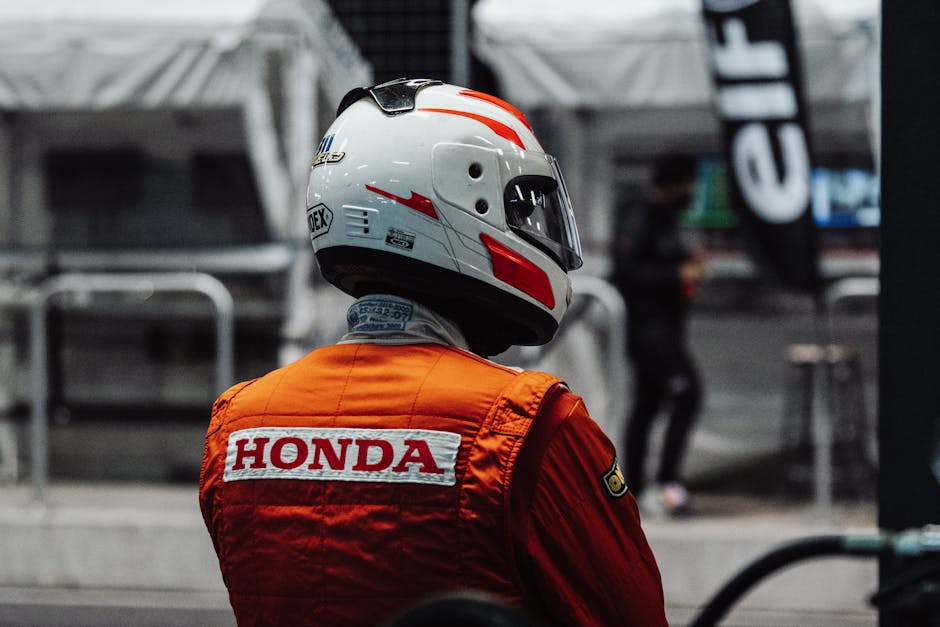
- Teenage driver Antonelli clinched the pole position in the Miami Grand Prix, a significant milestone in his burgeoning career.
- The F1 race start time has been moved forward to 17:00 GMT on Sunday due to a looming storm threat.
- Organisers prioritised safety and ensured an uninterrupted racing experience by adjusting the start time.
- The threat of a heavy rainstorm introduced unpredictability to the race, making timing crucial.
- The stakes are high for the Miami Grand Prix, with a teenage pole-sitter and adverse weather conditions.
The Formula 1 world witnessed a historic moment as teenage driver Antonelli clinched the pole position in Miami, marking a significant milestone in his burgeoning career. This achievement comes amidst the backdrop of a looming storm threat that has prompted organisers to adjust the race start time to 17:00 GMT on Sunday. The decision to move the start time forward is aimed at mitigating the potential disruption caused by the inclement weather, ensuring the safety of drivers and spectators alike. As the racing community gears up for the Miami Grand Prix, all eyes are on the young prodigy and how he will fare in the highly competitive field.
Racing Against Time and Weather

The threat of a heavy rainstorm in Miami has introduced an element of unpredictability to the race, making the timing of the event crucial. Organisers have been closely monitoring weather forecasts, and the decision to change the start time reflects their commitment to prioritising safety while also endeavouring to deliver an uninterrupted racing experience. This move is not unprecedented, as similar adjustments have been made in the past to accommodate adverse weather conditions. However, the stakes are particularly high in this instance, given the profile of the event and the presence of a teenage pole-sitter, which has already generated considerable buzz and anticipation among fans and pundits.
Pole Position and Stormy Weather

Antonelli’s achievement in securing the pole position is a testament to his skill and composure under pressure. The path to this triumph was not without its challenges, as drivers navigated the qualifying sessions under the spectre of impending bad weather. The change in race start time adds another layer of complexity to the competition, as teams and drivers must now adapt their strategies to potentially changing track conditions. The involvement of experienced teams and the unpredictable nature of the weather promise to make the Miami Grand Prix a thrilling spectacle, with viewers worldwide eager to see how the drama unfolds.
Analysing the Impact
The decision to alter the race start time in response to the weather forecast underscores the meticulous planning and flexibility required in organising high-profile sporting events. From a logistical standpoint, this change necessitates adjustments in scheduling, broadcasting, and spectator arrangements, highlighting the intricate operational aspects of staging a successful Grand Prix. Moreover, the potential effects of rain on the race outcome introduce variables that could significantly influence the performance of drivers and teams, making the event even more captivating for fans who appreciate the strategic and unpredictable elements of Formula 1.
Broader Implications
The ramifications of the storm threat and the resultant change in start time extend beyond the immediate context of the race, touching upon aspects such as viewer engagement, sponsorship, and the overall reputation of the Miami Grand Prix. Spectators and television audiences alike are drawn to the combination of high-speed racing and the unpredictable factor of weather, which can lead to unexpected turns of events and dramatic finishes. As such, the ability of organisers to respond effectively to challenging conditions is crucial in maintaining the event’s appeal and ensuring a positive experience for all stakeholders involved.
Expert Perspectives
Experts in the field offer contrasting viewpoints on how the change in start time and the threat of rain might influence the race dynamics. Some argue that experienced drivers will capitalize on the conditions to gain an advantage, while others believe that the unpredictability of the weather could level the playing field, offering opportunities for less favoured competitors to make a mark. The insights from these professionals add depth to the narrative, highlighting the strategic and tactical considerations that teams must weigh in their pursuit of success.
Looking ahead, the key question on everyone’s mind is how the race will unfold under the shadow of the storm. Will Antonelli’s youthful exuberance and driving prowess be enough to secure a victory, or will the challenge of the weather and the experience of his competitors prove too great to overcome? As the racing community waits with bated breath for the start of the Miami Grand Prix, one thing is certain: the combination of talent, strategy, and unpredictability promises to make this an event to remember, with the outcome hanging precariously in the balance until the very end.