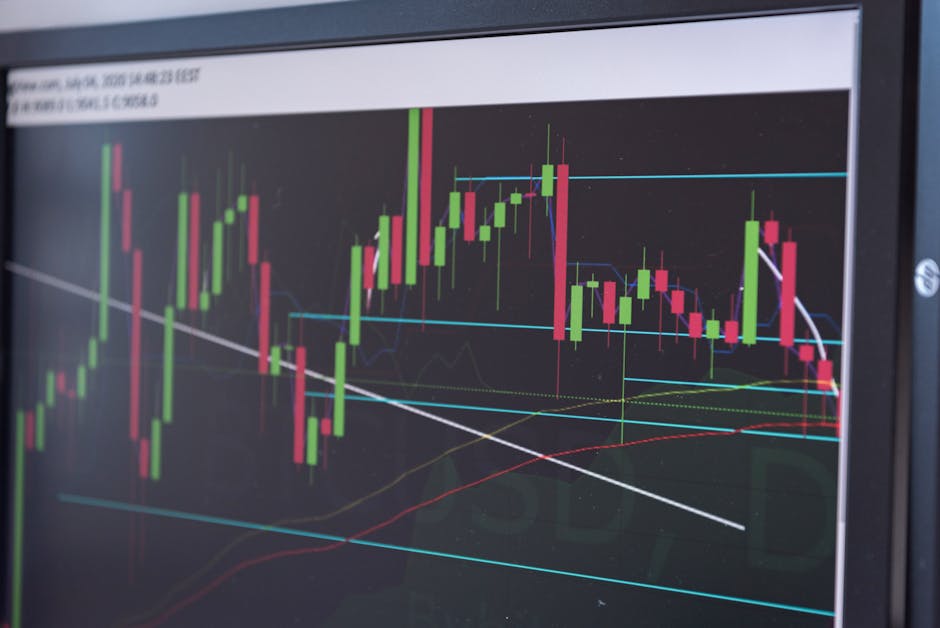
- The S&P 500 and Nasdaq reached new highs, with the S&P 500 rising 0.5% and the Nasdaq gaining 0.9%.
- Strong corporate earnings, a robust jobs market, and a dovish Federal Reserve are driving the market rally.
- The S&P 500 has risen over 20% this year, signaling a strong start to the year not seen since the 1990s.
- The tech sector, led by companies like Apple and Microsoft, has been a key driver of the market’s gains.
- Investors are watching closely to see if this upward trend can continue and its impact on the broader economy.
The S&P 500 and Nasdaq have continued their record-breaking rallies, with the S&P 500 rising by 0.5% to close at a new high, while the Nasdaq gained 0.9% to also reach a new peak. This surge in the stock market has been driven by a combination of factors, including strong corporate earnings, a robust jobs market, and a dovish Federal Reserve. One striking fact is that the S&P 500 has now risen by over 20% so far this year, making it one of the best starts to a year since the 1990s. This has left many investors wondering whether the market can continue to defy gravity and keep rising.
Understanding the Current Market Trend

The current market trend is significant because it reflects the overall health of the US economy. With the global economy facing numerous challenges, including trade tensions and slowing growth, the US stock market has been a beacon of stability and strength. The fact that corporate earnings have been strong has helped to boost investor confidence, with many companies beating expectations and providing upbeat guidance for the future. This has been particularly evident in the tech sector, where companies such as Apple and Microsoft have reported strong earnings and helped to drive the Nasdaq to new heights. As a result, the market is now waiting with bated breath to see whether this trend can continue, and what the implications will be for the broader economy.
Key Drivers of the Market Rally

The key drivers of the market rally have been strong corporate earnings, a robust jobs market, and a dovish Federal Reserve. The fact that companies have been able to deliver strong earnings despite the challenging global economic environment has been a major factor in the market’s rise. Additionally, the jobs market has been a source of strength, with unemployment at historic lows and wage growth picking up. The Federal Reserve has also played a crucial role, with its decision to cut interest rates helping to boost investor sentiment and drive the market higher. Other key players, such as the government and regulators, have also had an impact on the market, with their policies and decisions helping to shape the overall direction of the economy.
Analyzing the Market’s Performance
An analysis of the market’s performance reveals that the current rally is driven by a combination of fundamental and technical factors. From a fundamental perspective, the strong corporate earnings and robust jobs market have helped to boost investor confidence and drive the market higher. From a technical perspective, the market’s trend has been supported by a number of key indicators, including the 50-day and 200-day moving averages. The fact that the market has been able to break through key resistance levels has also helped to build momentum and drive the market higher. According to data from Bloomberg, the S&P 500 has now risen by over 300% since the financial crisis, making it one of the longest and strongest bull markets in history. Expert analysis suggests that this trend is likely to continue, with many analysts predicting that the market will keep rising in the coming months.
Implications of the Market Rally
The implications of the market rally are far-reaching and will be felt by a wide range of stakeholders. For investors, the rally has provided a significant boost to their portfolios, with many seeing their wealth increase substantially over the past year. For companies, the strong market has provided access to cheap capital, allowing them to invest in new projects and drive growth. For the broader economy, the market rally has helped to boost consumer confidence and drive spending, which has in turn helped to support economic growth. However, there are also potential risks to the market rally, including the potential for a correction or a downturn in the global economy. As a result, investors and policymakers will need to be vigilant and prepared to respond to any changes in the market or economy.
Expert Perspectives
Expert perspectives on the market rally are varied, with some analysts predicting that the market will continue to rise, while others are more cautious. According to a recent survey by The Economist, many experts believe that the market is due for a correction, with some predicting that the S&P 500 could fall by as much as 10% in the coming months. However, others are more bullish, with some predicting that the market could rise by another 10% or more. One expert, a leading economist at a major bank, noted that the market’s strength is due to the strong fundamentals of the US economy, and that the rally is likely to continue as long as these fundamentals remain in place. Another expert, a well-known investor, warned that the market is getting ahead of itself, and that a correction is overdue.
Looking to the future, there are a number of key factors that will determine the direction of the market. One of the most important will be the upcoming earnings season, which will provide insight into the health of corporate America. Another key factor will be the actions of the Federal Reserve, which will need to balance the need to support the economy with the risk of inflation. Additionally, the global economy will play a crucial role, with trade tensions and slowing growth in countries such as China and Europe having the potential to impact the US market. As a result, investors and policymakers will need to be vigilant and prepared to respond to any changes in the market or economy, and to ask themselves what the future holds for the S&P 500 and the broader economy.