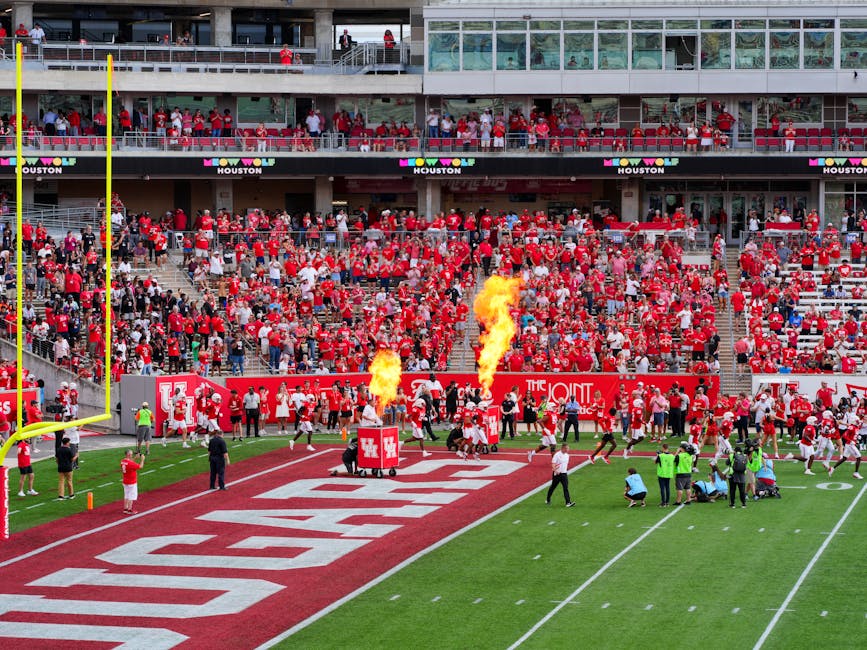
The Super Bowl, one of the most-watched television events in the United States, will no longer be hosted in Miami due to the city’s inability to meet the National Football League’s (NFL) stringent requirements. This shocking decision has sent ripples throughout the sports world, leaving many to wonder what led to this outcome. With Miami having hosted the Super Bowl a record eleven times, its withdrawal from the rotation is a significant blow to the city’s sports scene. The NFL’s demands, which include state-of-the-art stadium facilities and top-notch amenities, have proven to be too great for Miami to handle, at least for the time being.
A History of Super Bowl Hosting

Miami’s history of hosting the Super Bowl dates back to 1968, when the city first hosted the championship game at the Orange Bowl. Since then, Miami has become a staple of the Super Bowl rotation, with the city hosting the big game a record eleven times. The Super Bowl has brought in millions of dollars in revenue for the city, with local businesses thriving during the week leading up to the game. However, with the NFL’s increasing demands for newer and more advanced stadium facilities, Miami has found itself struggling to keep up. The city’s current stadium, Hard Rock Stadium, while having undergone renovations in recent years, still falls short of the NFL’s expectations.
The NFL’s Requirements

The NFL’s requirements for hosting the Super Bowl are stringent, to say the least. The league demands that host cities have state-of-the-art stadium facilities, complete with advanced amenities such as retractable roofs, elaborate video boards, and luxurious suites. Additionally, the NFL requires that host cities have a strong infrastructure in place, including top-notch transportation systems and ample hotel accommodations. Miami, while having made efforts to upgrade its stadium and infrastructure, has ultimately fallen short of meeting these demands. The city’s withdrawal from the Super Bowl rotation is a testament to the NFL’s commitment to providing a world-class experience for its fans and players.
Analysis of the Decision
The decision to withdraw Miami from the Super Bowl rotation has significant implications for the city and the sports industry as a whole. From an economic standpoint, the loss of the Super Bowl will undoubtedly have a negative impact on local businesses, which have come to rely on the revenue generated by the big game. Furthermore, the decision raises questions about the long-term viability of the NFL’s current business model, which prioritizes luxury and excess over more practical considerations. As the league continues to evolve and grow, it will be interesting to see how it balances its demands for state-of-the-art facilities with the needs and limitations of its host cities.
Implications for the City
The implications of Miami’s withdrawal from the Super Bowl rotation are far-reaching and will be felt throughout the city. Local businesses, which have come to rely on the revenue generated by the Super Bowl, will undoubtedly suffer as a result of the decision. Furthermore, the city’s reputation as a premier sports destination will likely take a hit, potentially impacting its ability to attract other major sporting events in the future. As the city looks to the future, it will be important for local leaders to work together to find new and innovative ways to promote and support the local sports industry.
Expert Perspectives
Experts in the sports industry have weighed in on the decision, offering a range of perspectives on the implications of Miami’s withdrawal from the Super Bowl rotation. Some have praised the NFL for its commitment to providing a world-class experience for its fans and players, while others have criticized the league for its prioritization of luxury and excess over more practical considerations. As the debate continues, one thing is clear: the decision to withdraw Miami from the Super Bowl rotation is a significant one, with far-reaching implications for the city and the sports industry as a whole.
Looking to the future, it will be interesting to see how the NFL navigates the challenges of hosting the Super Bowl in an increasingly complex and demanding sports landscape. As the league continues to evolve and grow, it will be important for it to find a balance between its demands for state-of-the-art facilities and the needs and limitations of its host cities. With the Super Bowl remaining one of the most-watched and most-anticipated sporting events in the world, the NFL will undoubtedly face continued scrutiny and pressure to deliver a world-class experience for its fans and players.