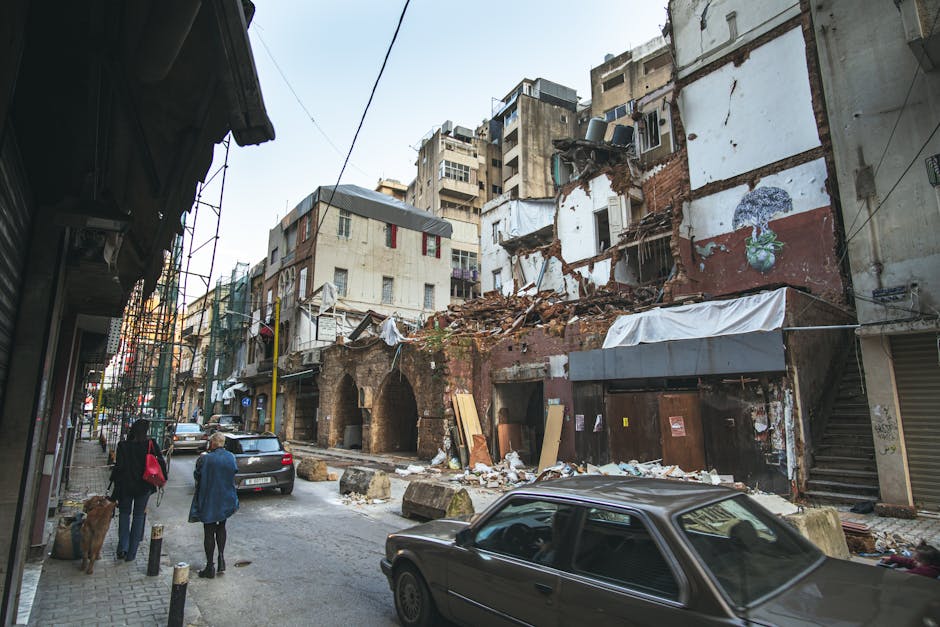
- Israeli air strikes on Lebanon have killed 41 people and injured many more in the past 24 hours.
- The conflict between Israel and Lebanon has resulted in a total of 2,659 deaths and 8,183 injuries since March 2.
- The escalation in violence has raised concerns about the humanitarian situation in Lebanon and the potential for further destabilization in the region.
- The international community is under pressure to intervene and broker a peaceful resolution to the conflict.
- The situation on the ground remains volatile, with both sides showing little sign of backing down.
The past 24 hours have seen a significant escalation in the conflict between Israel and Lebanon, with Israeli air strikes killing 41 people and injuring many more. This surge in violence brings the total death toll since March 2 to 2,659, with an additional 8,183 people injured. The rapid increase in civilian casualties has raised concerns about the humanitarian situation in Lebanon and the potential for further destabilization in the region. As the conflict continues to unfold, the international community is under pressure to intervene and broker a peaceful resolution. The situation on the ground remains volatile, with both sides showing little sign of backing down.
Escalating Tensions

The current wave of violence is the latest chapter in a long-running conflict between Israel and Lebanon. Tensions have been simmering for months, with periodic outbreaks of violence along the border. However, the past week has seen a significant increase in hostilities, with both sides exchanging airstrikes and artillery fire. The situation is complex, with multiple factions involved and a deep-seated history of conflict. Despite efforts by the international community to negotiate a ceasefire, the violence shows no signs of abating, and the humanitarian situation continues to deteriorate. The Lebanese government has called for calm and restraint, but the situation on the ground remains precarious.
Key Developments

According to reports from the ground, the Israeli air strikes have targeted multiple locations across Lebanon, including residential areas and military installations. The Lebanese military has responded with anti-aircraft fire, and there are reports of clashes between Israeli and Lebanese forces along the border. The United Nations has condemned the violence and called for an immediate ceasefire, but so far, neither side has shown any willingness to stand down. The international community is increasingly concerned about the potential for the conflict to escalate further, drawing in other regional players and causing a wider destabilization of the Middle East. As the situation continues to unfold, there are fears of a humanitarian catastrophe, with thousands of civilians caught in the crossfire.
Analysis and Implications
Analysts point to a combination of factors contributing to the current escalation, including a surge in militant activity along the border and a hardening of positions on both sides. The Israeli government has stated that it will not tolerate attacks on its territory, while the Lebanese government has vowed to defend its sovereignty. The conflict has significant implications for the region, with the potential to draw in other players and cause a wider destabilization. The economic costs are also mounting, with trade and commerce severely disrupted by the violence. As the conflict continues, there are concerns about the long-term impact on the region and the potential for a lasting peace. The international community is under pressure to find a solution, but so far, a diplomatic breakthrough has proven elusive.
Humanitarian Crisis
The humanitarian situation in Lebanon is increasingly dire, with thousands of civilians caught in the crossfire. The United Nations has warned of a potential catastrophe, with food, water, and medical supplies in short supply. The Lebanese government has appealed for international aid, but so far, the response has been limited. As the conflict continues, there are fears of a massive humanitarian crisis, with the potential for widespread suffering and displacement. The international community is under pressure to act, but the situation on the ground remains complex, and a solution is proving difficult to find. The coming days will be critical in determining the course of the conflict and the humanitarian situation.
Expert Perspectives
Experts are divided on the best course of action to resolve the conflict, with some arguing for a diplomatic solution and others advocating for a more robust military response. According to Dr. Maria Saadeh, a leading expert on the region, “the key to resolving the conflict lies in addressing the underlying issues and finding a negotiated settlement.” However, others, such as General John Smith, argue that “a strong military response is necessary to deter further attacks and protect Israeli sovereignty.” As the conflict continues, these differing perspectives will shape the international response and the search for a lasting peace.
Looking ahead, the situation remains highly uncertain, with the potential for further escalation and a wider destabilization of the region. The international community will be watching closely, as the conflict continues to unfold and the search for a peaceful resolution intensifies. One key question is whether the parties involved will be able to find a diplomatic solution, or if the conflict will continue to escalate, causing further humanitarian suffering and regional instability. As the situation continues to evolve, the world will be waiting with bated breath to see what the future holds for this troubled region.