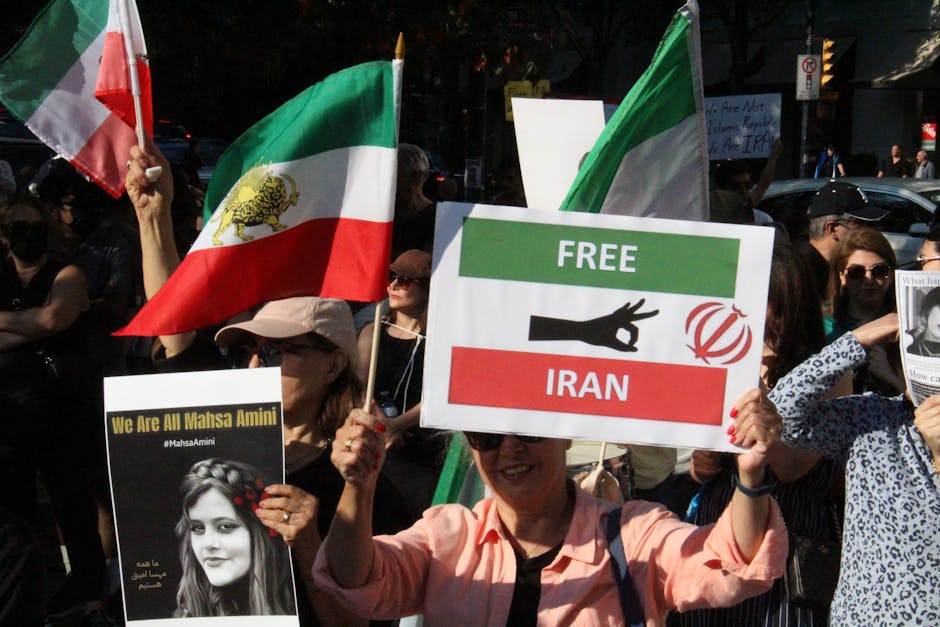
- US President Donald Trump reviews 14-point plan from Iran amid escalating tensions between the two nations.
- Rising tensions in the Middle East have led to the deployment of additional US troops and Israeli airstrikes on Lebanon.
- The US withdrawal from the Iran nuclear deal in 2018 has been cited as a major contributor to the crisis.
- Iran’s history of non-compliance with international agreements has sparked skepticism about the possibility of a deal.
- The situation has been complicated by the presence of proxy forces, including Hezbollah in Lebanon.
The Middle East is on high alert as US President Donald Trump announced that he will be reviewing a 14-point plan sent by Iran, amidst rising tensions between the two nations. This development comes after weeks of escalating rhetoric and military posturing, with the US deploying additional troops to the region and Iran shooting down a US drone. The situation has been further complicated by Israel’s airstrikes on Lebanon, which have sparked fears of a wider conflict. According to reports, Trump has expressed skepticism about the possibility of a deal, citing Iran’s history of non-compliance with international agreements.
Background to the Crisis

The current crisis has its roots in the US withdrawal from the Joint Comprehensive Plan of Action (JCPOA), also known as the Iran nuclear deal, in 2018. The move was strongly opposed by European allies and sparked a significant escalation of tensions between the US and Iran. Since then, there have been numerous incidents of military posturing, including the deployment of additional US troops to the region and the shooting down of a US drone by Iran. The situation has been further complicated by the presence of various proxy forces in the region, including Hezbollah in Lebanon, which has been targeted by Israeli airstrikes.
Key Details of the 14-Point Plan

While the exact details of the 14-point plan sent by Iran are not yet publicly known, it is believed to include a range of concessions and proposals aimed at reducing tensions and paving the way for a new nuclear deal. These may include measures such as increased transparency and monitoring of Iran’s nuclear program, as well as limitations on the country’s ballistic missile development. However, Trump has expressed skepticism about the possibility of a deal, citing Iran’s history of non-compliance with international agreements. The plan is also likely to include proposals for the lifting of US sanctions, which have had a devastating impact on the Iranian economy.
Analysis of the Crisis
Experts warn that the current crisis has the potential to escalate into a wider conflict, with significant consequences for the region and the global economy. The presence of various proxy forces, including Hezbollah in Lebanon, adds an additional layer of complexity to the situation. According to data from the International Energy Agency, a conflict in the Middle East could lead to a significant disruption of global oil supplies, with potentially catastrophic consequences for the global economy. Furthermore, the crisis has also sparked a significant escalation of tensions between the US and its European allies, who have urged restraint and diplomacy.
Implications of the Crisis
The implications of the crisis are far-reaching, with significant consequences for the region and the global economy. A wider conflict could lead to a significant loss of life, as well as a massive displacement of people. The crisis has already had a significant impact on the Iranian economy, with the value of the rial plummeting and inflation soaring. Furthermore, the crisis has also sparked a significant escalation of tensions between the US and its European allies, who have urged restraint and diplomacy. The situation has also raised concerns about the potential for a wider conflict, with Israel’s airstrikes on Lebanon sparking fears of a regional war.
Expert Perspectives
Experts are divided on the potential outcome of the crisis, with some warning of a wider conflict and others urging diplomacy and restraint. According to Dr. Sanam Vakil, a specialist in Middle East politics at Chatham House, the situation is highly volatile and could escalate at any moment. However, others, such as Dr. Trita Parsi, a specialist in US-Iran relations, believe that there is still a possibility for a diplomatic solution, citing the willingness of both sides to engage in talks.
Looking ahead, the situation remains highly uncertain, with a range of possible outcomes. One key question is whether Trump will be willing to lift sanctions and engage in meaningful diplomacy with Iran. Another is whether Israel will continue to pound Lebanon, sparking a wider conflict. As the situation continues to unfold, one thing is clear: the Middle East is on the brink of a major crisis, with significant consequences for the region and the global economy. The international community will be watching with bated breath as the situation develops, hoping for a peaceful resolution to the crisis.