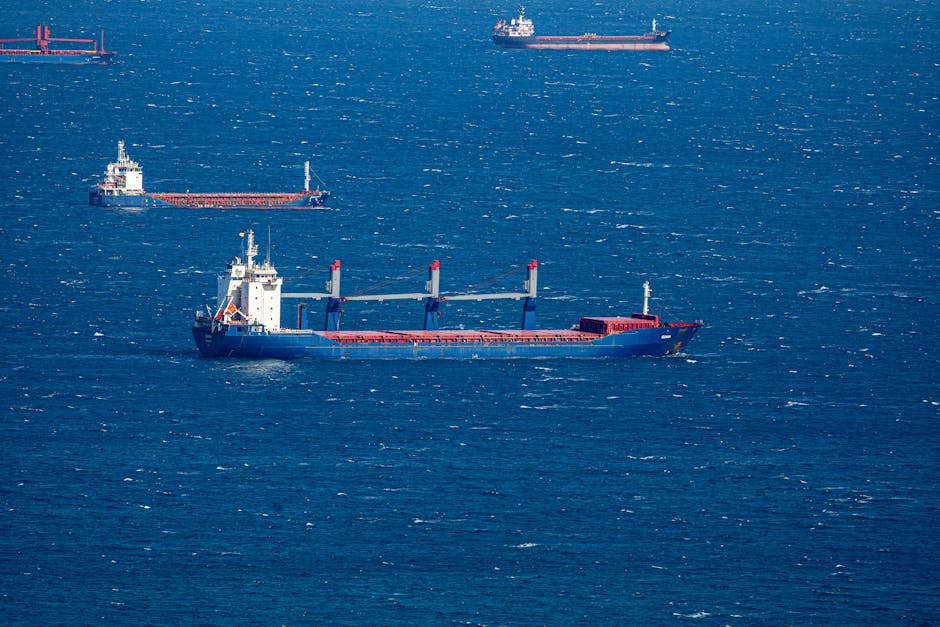
- A recent oil tanker hijacking in the Arabian Sea has raised fears of a Houthi-pirate alliance in the region.
- The hijacking has sparked concerns about a new wave of piracy in the region, threatening global trade and stability.
- The tanker was seized by armed men who demanded a ransom for its safe release, fueling fears of a deadly alliance.
- The involvement of Houthi rebels in the hijacking adds a new layer of complexity to the situation in the Arabian Sea.
- Regional authorities are struggling to protect shipping lanes and prevent incidents like the oil tanker hijacking.
The recent hijacking of an oil tanker in the Arabian Sea has sent shockwaves through the global shipping community, with many experts pointing to the attack as evidence of a potentially deadly alliance between Somali pirates and Houthi rebels in Yemen. The incident, which occurred on a tanker carrying crude oil from Saudi Arabia to China, has raised fears of a new wave of piracy in the region, with potentially devastating consequences for global trade and stability. According to reports, the tanker was seized by a group of armed men, who demanded a ransom in exchange for the safe release of the vessel and its crew. The attack’s location and timing have fueled concerns about potential collaboration between Somalia’s pirates and Yemen’s Houthi rebels, who have been engaged in a bitter conflict with the Saudi-led coalition in Yemen.
The Hijacking: A New Low in Regional Stability

The hijacking of the oil tanker is the latest in a series of incidents that have raised concerns about the stability of the region. In recent years, the Arabian Sea has become a hotbed of piracy, with several ships being attacked and hijacked by Somali pirates. However, the involvement of Houthi rebels in the latest incident has added a new layer of complexity to the situation, with many experts warning of a potential escalation of violence in the region. The attack has also raised questions about the ability of regional authorities to protect shipping lanes and prevent such incidents from occurring in the future. As the global economy becomes increasingly reliant on international trade, the importance of maintaining stability in the region cannot be overstated.
Background to the Conflict

The conflict in Yemen, which began in 2015, has created a power vacuum that has allowed extremist groups like the Houthi rebels to flourish. The rebels, who are backed by Iran, have been engaged in a bitter struggle with the Saudi-led coalition, which has resulted in thousands of deaths and widespread destruction. The conflict has also had a devastating impact on the regional economy, with many countries in the region struggling to cope with the fallout. The involvement of Somali pirates in the conflict has added a new dimension to the situation, with many experts warning of a potential alliance between the two groups. Such an alliance would have serious implications for regional stability, and could potentially lead to a surge in piracy and terrorism in the region.
The Attack: What Happened
According to reports, the oil tanker was hijacked by a group of armed men, who boarded the vessel and took control of the bridge. The crew, which consisted of several nationalities, was held hostage, and a ransom demand was made to the ship’s owners. The incident occurred in the early hours of the morning, when the tanker was navigating through the Arabian Sea. The attack was well-planned and executed, with the hijackers using sophisticated equipment and tactics to overpower the crew. The incident has raised questions about the security measures in place to protect shipping lanes, and the ability of regional authorities to respond to such incidents.
Analysis: Causes and Effects
The hijacking of the oil tanker has significant implications for the regional economy and global trade. The incident has raised concerns about the safety of shipping lanes, and the potential for a surge in piracy and terrorism in the region. The involvement of Houthi rebels in the incident has also raised questions about the potential for an alliance between the group and Somali pirates. Such an alliance would have serious implications for regional stability, and could potentially lead to a surge in violence and extremism in the region. The incident has also highlighted the need for greater cooperation between regional authorities and the international community to combat piracy and terrorism. According to experts, the attack is a clear indication of the growing links between Houthi rebels and Somali pirates, and the need for a concerted effort to prevent such incidents from occurring in the future.
Implications: Who is Affected and How
The hijacking of the oil tanker has significant implications for the regional economy and global trade. The incident has raised concerns about the safety of shipping lanes, and the potential for a surge in piracy and terrorism in the region. The attack has also raised questions about the ability of regional authorities to protect shipping lanes and prevent such incidents from occurring in the future. The incident has affected several countries in the region, including Saudi Arabia, China, and the United Arab Emirates, which have significant trade interests in the region. The attack has also raised concerns about the potential for a surge in insurance premiums, which could have a devastating impact on the regional economy.
Expert Perspectives
Experts have warned of a potential alliance between Houthi rebels and Somali pirates, which could have serious implications for regional stability. According to Dr. Sarah Phillips, a regional expert, “the hijacking of the oil tanker is a clear indication of the growing links between Houthi rebels and Somali pirates. The incident has significant implications for the regional economy and global trade, and highlights the need for greater cooperation between regional authorities and the international community to combat piracy and terrorism.” However, other experts have cautioned against jumping to conclusions, and have called for a more nuanced approach to addressing the situation. According to Dr. Michael Hudson, “the incident is a complex one, and requires a careful and considered response. We need to be careful not to exacerbate the situation, and to work towards a solution that takes into account the interests of all parties involved.”
As the situation continues to unfold, many experts are warning of a potential escalation of violence in the region. The hijacking of the oil tanker has raised concerns about the safety of shipping lanes, and the potential for a surge in piracy and terrorism in the region. According to experts, the incident is a clear indication of the need for greater cooperation between regional authorities and the international community to combat piracy and terrorism. As the global economy becomes increasingly reliant on international trade, the importance of maintaining stability in the region cannot be overstated. The question on everyone’s mind is what will happen next, and how the international community will respond to the growing threat of piracy and terrorism in the region.