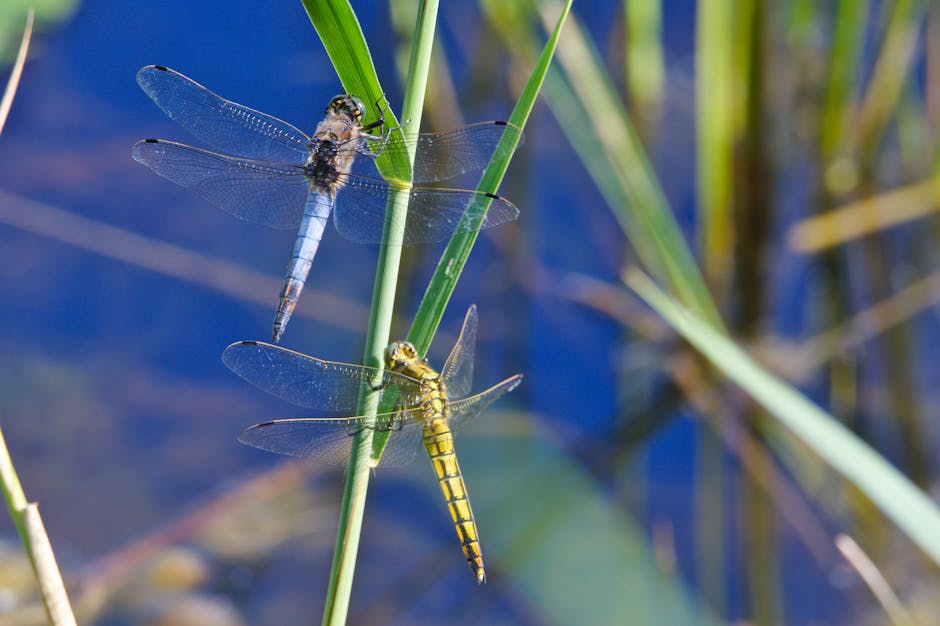
- Dragonfly population in India’s Western Ghats has declined by over 30%, raising concerns about the region’s ecological health.
- Dragonflies are crucial for maintaining the ecological balance as they control mosquito and other insect populations and serve as food for other species.
- The decline is linked to habitat loss, pollution, and climate change, highlighting the need for urgent conservation measures.
- These insects are vital for nutrient cycling and providing ecosystem services, underscoring their importance beyond just aesthetics.
- The situation demands immediate action to protect dragonflies and the broader ecosystem of the Western Ghats.
India’s Western Ghats, a UNESCO World Heritage Site and one of the most biodiverse regions on the planet, is facing an unprecedented ecological crisis. A recent study has revealed a staggering decline of over 30% in the population of dragonflies and damselflies in the region, sparking widespread concern among scientists and conservationists. These insects, often referred to as the “jewels of the insect world” due to their iridescent colors and agility, play a crucial role in maintaining the ecological balance of the region, serving as both predators and prey in the food chain.
The Importance of Dragonflies in Ecosystems

The decline of dragonflies and damselflies in the Western Ghats is a pressing issue that warrants immediate attention. These insects are not only an integral part of the region’s ecosystem but also serve as indicators of the overall health of the environment. As predators, they feed on mosquitoes and other insects that can spread diseases, thereby helping to regulate their populations. Furthermore, dragonflies are also an important food source for birds, bats, and spiders, highlighting their critical position in the food chain. The loss of these species could have far-reaching consequences, including the disruption of nutrient cycles and the degradation of ecosystem services.
Causes of the Decline

The study attributes the decline of dragonflies and damselflies in the Western Ghats to a combination of factors, including habitat destruction, climate change, and pollution. The region has experienced rapid urbanization and infrastructure development in recent years, leading to the destruction of natural habitats and the fragmentation of remaining habitats. Climate change has also altered the region’s weather patterns, leading to changes in temperature and precipitation regimes that can affect the survival and reproduction of these insects. Moreover, the use of pesticides and other chemicals in agriculture has contaminated water bodies, posing a significant threat to the survival of these insects.
Analysis of the Crisis
The decline of dragonflies and damselflies in the Western Ghats is a complex issue that requires a multifaceted approach to address. Scientists have emphasized the need for conservation efforts that focus on the protection and restoration of natural habitats, as well as the implementation of sustainable agricultural practices that minimize the use of chemicals. Moreover, climate change mitigation strategies, such as reducing greenhouse gas emissions and promoting renewable energy sources, are also crucial in addressing the root causes of the decline. The study’s findings have significant implications for the region’s ecosystem services, including the regulation of insect populations, nutrient cycling, and the maintenance of water quality.
Implications of the Decline
The decline of dragonflies and damselflies in the Western Ghats has significant implications for the region’s ecosystem and human populations. The loss of these insects could lead to an increase in mosquito-borne diseases, such as malaria and dengue fever, which are prevalent in the region. Furthermore, the decline of these insects could also affect the livelihoods of people who depend on the region’s ecosystem services, including farmers, fishermen, and tourism operators. The study’s findings highlight the need for urgent action to address the decline of these insects and to protect the region’s ecological integrity.
Expert Perspectives
Scientists and conservationists have expressed concern over the decline of dragonflies and damselflies in the Western Ghats, emphasizing the need for immediate action to address the crisis. “The decline of these insects is a warning sign that something is seriously wrong with the ecosystem,” said Dr. Maria Rodriguez, a leading expert on insect ecology. “We need to take a holistic approach to address the root causes of the decline, including habitat destruction, climate change, and pollution.” Other experts have also highlighted the need for community-led conservation efforts, emphasizing the importance of engaging local communities in the protection and restoration of natural habitats.
As the situation continues to unfold, scientists and conservationists are calling for increased funding and support for research and conservation efforts in the Western Ghats. The decline of dragonflies and damselflies is a stark reminder of the need for sustainable development and environmental protection, and the importance of preserving the region’s ecological integrity for future generations. As researchers continue to monitor the situation, one question remains: can we act quickly enough to prevent the irreversible loss of these iconic insects and the ecosystem services they provide?