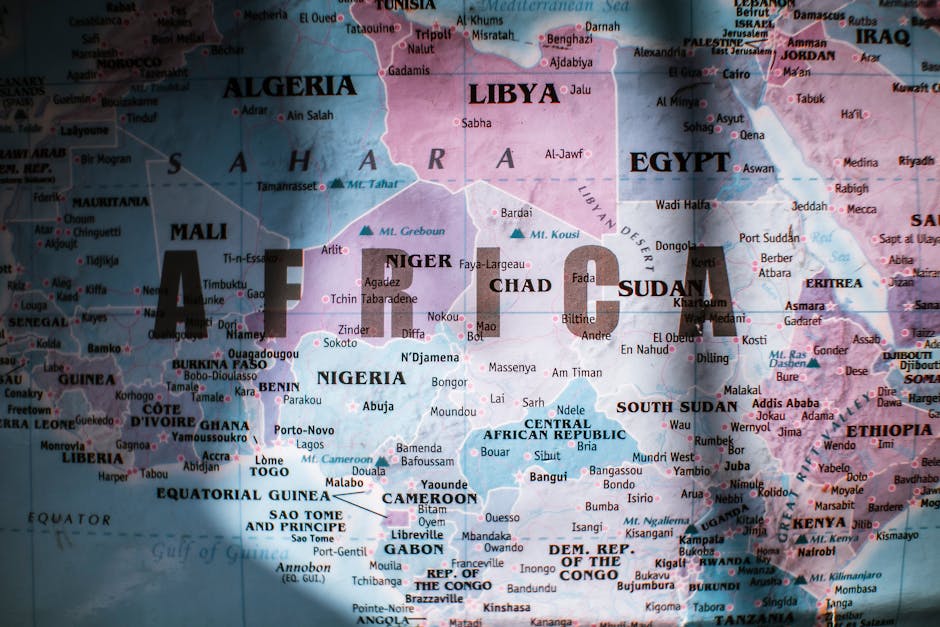
- China has eliminated all tariffs for African nations, potentially increasing bilateral trade by 20%.
- This move reflects China’s strategy to strengthen its economic ties with Africa and promote mutual development.
- The decision is seen as a response to African nations’ concerns about the imbalanced trade relationship.
- China aims to enhance its reputation as a supportive partner for African nations through this gesture.
- The policy is expected to have significant implications for the global economy, especially in Africa.
In a striking move, China has announced the implementation of zero tariffs for all African nations with which it has diplomatic ties, effective immediately. This historic policy change is expected to significantly boost trade between China and Africa, with estimates suggesting a potential increase of up to 20% in bilateral trade volumes. The move is seen as a major gesture of goodwill by China, as it seeks to strengthen its economic ties with the continent and promote mutual development. With Africa being home to some of the world’s fastest-growing economies, this tariff reduction is poised to have far-reaching implications for the global economy.
Background and Context

The decision to drop tariffs for African nations is a culmination of China’s long-standing efforts to deepen its engagement with the continent. Over the past two decades, China has emerged as one of Africa’s largest trading partners, with bilateral trade volumes exceeding $200 billion in 2020. However, the relationship has not been without its challenges, with some African nations expressing concerns over the unequal nature of the trade relationship and the need for more favorable terms. China’s zero-tariff policy is seen as a response to these concerns, as it seeks to promote a more equitable and sustainable trade relationship with Africa. The move is also expected to enhance China’s reputation as a reliable and supportive partner for African nations, as they navigate the complexities of global trade and economic development.
Key Details and Provisions

The zero-tariff policy applies to all African nations with which China has diplomatic ties, totaling over 40 countries. The policy covers a wide range of products, including agricultural goods, manufactured goods, and natural resources. China has also announced plans to increase its investment in Africa, with a focus on infrastructure development, industrialization, and human capital development. The policy change is expected to benefit African nations in several ways, including increased access to the Chinese market, improved trade balances, and enhanced economic growth. However, some analysts have raised concerns over the potential risks and challenges associated with the policy, including the potential for increased dependence on Chinese trade and investment.
Analysis and Implications
The implementation of zero tariffs for African nations is a significant development, with far-reaching implications for the global economy. From a strategic perspective, the move is seen as a major coup for China, as it seeks to expand its influence in Africa and promote its own economic interests. The policy change is also expected to have a positive impact on African economies, as they seek to diversify their trade relationships and promote economic development. However, some analysts have raised concerns over the potential risks and challenges associated with the policy, including the potential for trade imbalances, environmental degradation, and social unrest. To mitigate these risks, it is essential that African nations adopt a cautious and strategic approach to the policy, prioritizing their own economic interests and promoting sustainable development.
Regional and Global Implications
The zero-tariff policy is expected to have significant implications for regional and global trade dynamics. The move is seen as a challenge to other major trading nations, including the United States and the European Union, which have traditionally dominated trade relationships with Africa. The policy change is also expected to promote increased economic cooperation and integration within Africa, as nations seek to take advantage of the new trade opportunities. However, some analysts have raised concerns over the potential risks and challenges associated with the policy, including the potential for increased competition, trade tensions, and geopolitical instability. To navigate these challenges, it is essential that African nations adopt a collaborative and strategic approach, prioritizing regional integration and promoting sustainable development.
Expert Perspectives
Experts have offered contrasting viewpoints on the implications of China’s zero-tariff policy for Africa. Some have hailed the move as a major breakthrough, highlighting the potential for increased trade, investment, and economic growth. Others have raised concerns over the potential risks and challenges associated with the policy, including the potential for trade imbalances, environmental degradation, and social unrest. According to Dr. Kathryn Rosenbaum, a leading expert on China-Africa relations, “The zero-tariff policy is a significant development, with far-reaching implications for the global economy. However, it is essential that African nations adopt a cautious and strategic approach, prioritizing their own economic interests and promoting sustainable development.”
Looking ahead, the key question is how African nations will respond to the zero-tariff policy and what strategies they will adopt to maximize the benefits and minimize the risks. As the policy unfolds, it is essential to monitor the impact on trade volumes, economic growth, and regional integration. According to some analysts, the policy has the potential to promote a new era of cooperation and development between China and Africa, with far-reaching implications for the global economy. However, others have raised concerns over the potential risks and challenges associated with the policy, highlighting the need for careful planning, strategic engagement, and sustainable development.