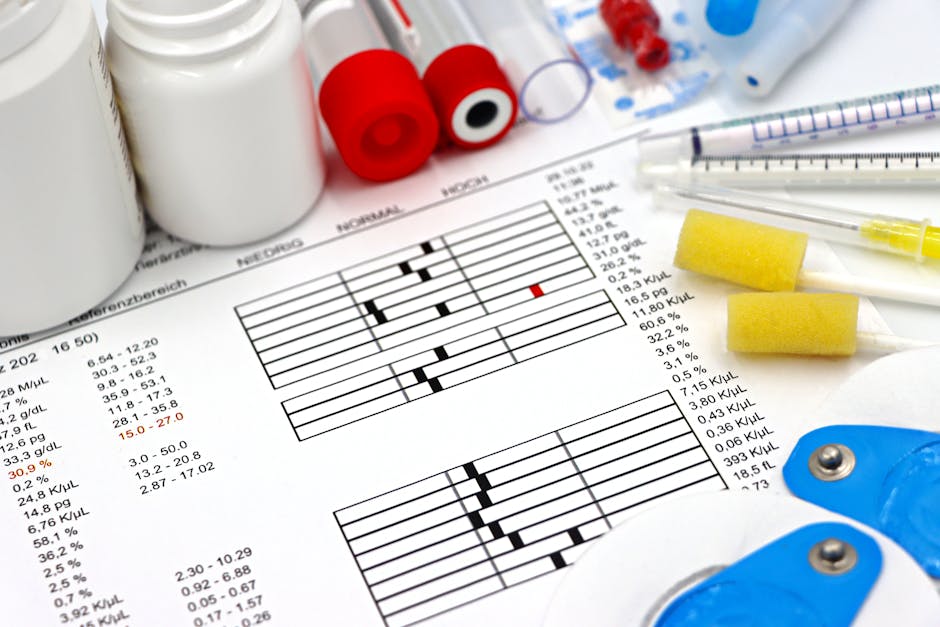
- An estimated 8 million people in the US suffer from food intolerances, affecting daily life.
- At-home testing kits for food intolerances have gained popularity but often rely on unproven methods.
- The science behind at-home testing kits is not always clear-cut, and many are not regulated.
- Food intolerances are not just a matter of personal preference but a serious health concern.
- Separating fact from fiction when it comes to food intolerances can be a daunting task.
Food intolerances are a growing concern, with an estimated 8 million people in the United States alone suffering from some form of food intolerance. Despite the prevalence of food intolerances, diagnosing and managing them can be a daunting task. Social media platforms are flooded with information about food intolerances, from symptoms to at-home testing kits, but separating fact from fiction is a challenge. One thing is certain, however: food intolerances are not just a matter of personal preference, but a serious health concern that can have significant impacts on daily life. In recent years, at-home testing kits have gained popularity, promising to help individuals identify food intolerances from the comfort of their own homes. But do these tests really work, and how accurate are they?
The Rise of At-Home Testing

The rise of at-home testing kits for food intolerances has been swift and significant. These tests typically involve sending a blood or stool sample to a laboratory for analysis, with results promising to reveal which foods an individual may be intolerant to. But the science behind these tests is not always clear-cut. Many at-home testing kits rely on unproven methods, such as measuring IgG antibodies, which are not a reliable indicator of food intolerance. Furthermore, the lack of regulation in the industry means that many of these tests are not subject to rigorous scientific scrutiny. As a result, individuals may be misled into believing they have a food intolerance when, in fact, they do not.
Understanding Food Intolerances

So, what exactly is a food intolerance? A food intolerance occurs when the body has difficulty digesting certain foods, leading to a range of symptoms, from mild discomfort to life-threatening reactions. Food intolerances are distinct from food allergies, which involve an immune system response. Common food intolerances include lactose intolerance, gluten intolerance, and fructose malabsorption. While the symptoms of food intolerances can be similar to those of other conditions, such as irritable bowel syndrome (IBS), accurate diagnosis is crucial for effective management. A proper diagnosis typically involves a combination of medical history, physical examination, and laboratory tests.
The Science Behind At-Home Testing
At-home testing kits for food intolerances often rely on measuring IgG antibodies, which are a type of immune system response. However, IgG antibodies are not a reliable indicator of food intolerance, and many experts consider these tests to be unproven. In fact, the majority of at-home testing kits have not been subject to rigorous scientific scrutiny, and their accuracy is often questionable. Furthermore, the lack of standardization in the industry means that different tests may produce different results, even when analyzing the same sample. As a result, individuals may be misled into believing they have a food intolerance when, in fact, they do not.
Implications for Public Health
The implications of food intolerances for public health are significant. Food intolerances can have a major impact on daily life, from restricting dietary choices to causing significant discomfort and pain. Furthermore, undiagnosed food intolerances can lead to complications, such as malnutrition and increased risk of other health conditions. As the prevalence of food intolerances continues to rise, it is essential that individuals have access to accurate and reliable diagnostic tools. However, the current state of at-home testing kits is a concern, and individuals should be cautious when interpreting results.
Expert Perspectives
Experts in the field of food intolerances are divided on the issue of at-home testing kits. Some argue that these tests can be a useful tool for individuals who are struggling to diagnose a food intolerance, while others believe that they are unproven and potentially misleading. Health and lifestyle journalist Rebecca Seal, author of Irritated: The Allergy Epidemic and What We Can Do About It, notes that while at-home testing kits may have some benefits, they should be approached with caution. “At-home testing kits can be a useful starting point for individuals who are trying to identify a food intolerance,” she says, “but they should not be relied upon as the sole means of diagnosis.”
As the debate surrounding at-home testing kits for food intolerances continues, one thing is clear: accurate diagnosis and management of food intolerances are crucial for public health. While at-home testing kits may have some benefits, they should be approached with caution, and individuals should always consult with a healthcare professional before making any significant changes to their diet. As research into food intolerances continues to evolve, it is likely that new and more accurate diagnostic tools will become available, providing individuals with a clearer understanding of their food intolerances and how to manage them effectively.