- At least 41 civilians were killed in Israeli airstrikes on southern Lebanon, with numerous others injured.
- The attacks targeted residential areas, infrastructure, and military sites, despite a declared ceasefire.
- The Lebanese government condemned the attacks, calling them a violation of international law and the ceasefire agreement.
- Israeli military spokespersons claim the strikes were in response to recent rocket attacks from Hezbollah.
- The international community has called for an immediate cessation of hostilities to prevent further civilian casualties.
At least 41 civilians have been killed and numerous others injured as Israeli forces launched 50 airstrikes on southern Lebanon in the past 24 hours. The attacks, which began early Tuesday morning, have targeted residential areas, infrastructure, and military sites in the region, despite a declared ceasefire. The Lebanese Red Cross and local medical officials report that the death toll is likely to rise as rescue operations continue.
Immediate Impact and Confirmed Details

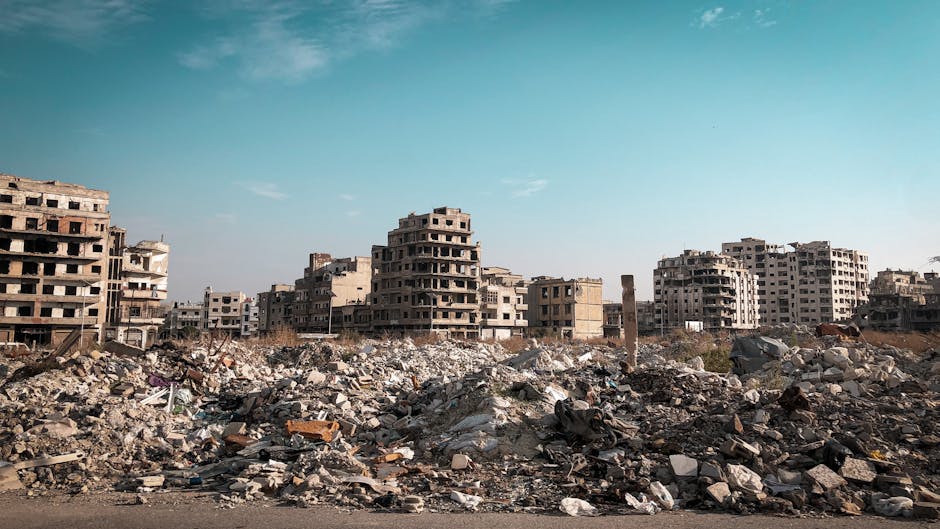
The ongoing airstrikes have caused significant destruction, with reports of widespread damage to buildings and critical infrastructure. The Lebanese government has condemned the attacks, calling them a violation of international law and the ceasefire agreement. Israeli military spokespersons claim the strikes are in response to recent rocket attacks from Hezbollah, a Lebanese militant group, which has vowed to continue its resistance against what it calls Israeli aggression.
Background and Context

The current conflict is a continuation of the tensions that have simmered between Israel and Hezbollah for years. The latest series of attacks follows a series of rocket launches from Lebanon into Israel over the weekend, which Israeli officials attribute to Hezbollah. The international community, including the United Nations, has called for an immediate cessation of hostilities to prevent further civilian casualties and de-escalate the situation.
What to Watch
As the situation remains volatile, the international community will be closely monitoring the next steps from both Israel and Hezbollah. Diplomatic efforts are underway to broker a more stable ceasefire, while humanitarian organizations prepare for the potential influx of displaced persons and increased medical needs in the affected areas. The outcome of these efforts will be crucial in determining whether the conflict can be contained or if it will escalate further.