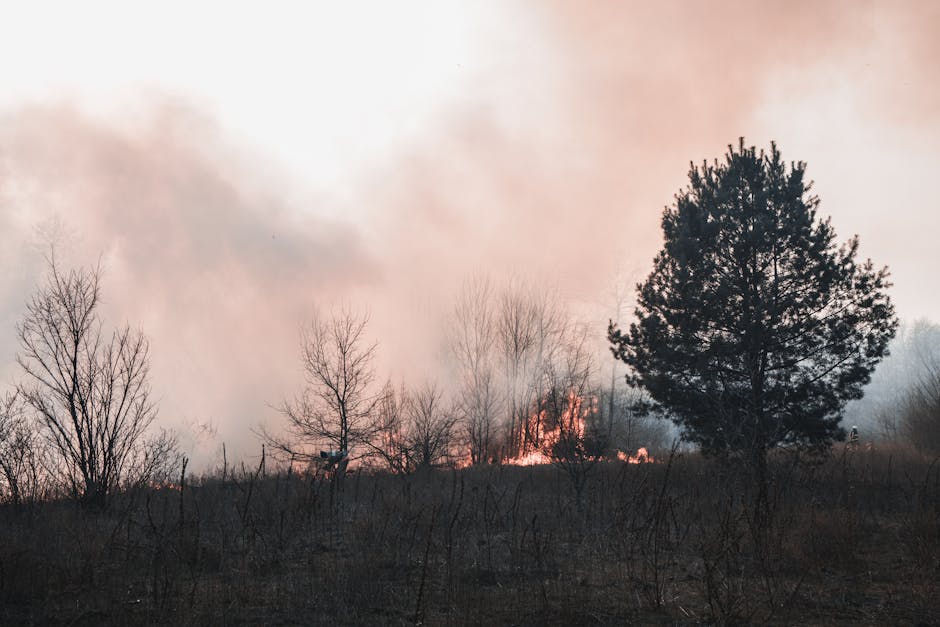
Italy’s firefighting efforts are being put to the test as wildfires have ravaged over 810 hectares (2,000 acres) of forest in the picturesque region of Tuscany. The blazes, which began earlier this week, have been fueled by strong winds and dry conditions, making it challenging for firefighters to contain the situation. As the situation continues to unfold, concerns are growing about the potential long-term impact on the region’s ecosystem and local communities. With the fire season still in its early stages, Italian authorities are bracing themselves for a potentially devastating summer ahead.
Tuscany’s Vulnerability to Wildfires

The region of Tuscany, known for its rolling hills, charming villages, and vineyards, is no stranger to wildfires. However, the current outbreak has highlighted the region’s vulnerability to such disasters. The combination of hot summers, dry vegetation, and strong winds creates a perfect storm for wildfires to spread quickly. Furthermore, the region’s rugged terrain and limited access to certain areas make it difficult for firefighters to reach and contain the blazes. As a result, the Italian government has been forced to deploy significant resources, including aircraft and ground teams, to combat the fires and prevent them from spreading further.
Firefighting Efforts Intensify

Italian firefighters, supported by local authorities and volunteers, have been working tirelessly to contain the blazes. The firefighting efforts have been intense, with teams working around the clock to create firebreaks, deploy water bombers, and evacuate people from affected areas. The Italian military has also been deployed to assist with the operation, providing additional resources and manpower to support the firefighting efforts. Despite the challenges, the teams have made significant progress in containing the fires, but the situation remains critical, and the risk of further outbreaks remains high.
Causes and Consequences
The exact cause of the wildfires is still unknown, but investigators suspect that they may have been sparked by a combination of human activity and natural factors. The consequences of the wildfires are already being felt, with local communities affected by the smoke and ash, and the regional economy likely to suffer as a result of the damage to the tourism and agricultural sectors. Furthermore, the wildfires have also raised concerns about the potential long-term impact on the region’s biodiversity and ecosystem. As the situation continues to unfold, experts are warning that the effects of the wildfires could be felt for years to come, making it essential for the Italian government to develop a comprehensive strategy to prevent and respond to such disasters in the future.
Regional Implications
The Tuscany wildfires have significant implications for the region, with the potential to impact local communities, businesses, and the environment. The fires have already forced the evacuation of several villages, and the smoke and ash are affecting air quality in the region. The agricultural sector, which is a significant contributor to the regional economy, is also likely to be affected, with crops and vineyards at risk of damage. Furthermore, the wildfires have also raised concerns about the potential impact on the region’s tourism industry, which is a major driver of the local economy. As the situation continues to unfold, regional authorities are working to assess the damage and develop a plan to support affected communities and businesses.
Expert Perspectives
Experts are warning that the Tuscany wildfires are a wake-up call for the Italian government to develop a more effective strategy to prevent and respond to wildfires. According to Professor Giovanni Di Stefano, a wildfire expert at the University of Florence, “the current outbreak highlights the need for a more proactive approach to wildfire management, including improved prevention measures, enhanced emergency response plans, and increased investment in firefighting resources.” Meanwhile, environmentalist Luca Mercalli argues that the wildfires are a symptom of a broader environmental crisis, stating that “the Italian government must take urgent action to address the root causes of these disasters, including climate change, deforestation, and land degradation.”
As the situation in Tuscany continues to unfold, all eyes are on the Italian government to see how they will respond to the crisis. The coming days and weeks will be critical in determining the outcome of the firefighting efforts and the long-term impact on the region. One thing is certain, however: the Tuscany wildfires have raised important questions about the need for more effective wildfire management and the importance of addressing the root causes of these disasters. As the international community watches with bated breath, one question remains: what can be done to prevent such disasters in the future, and how can we mitigate the impact of wildfires on local communities and the environment?