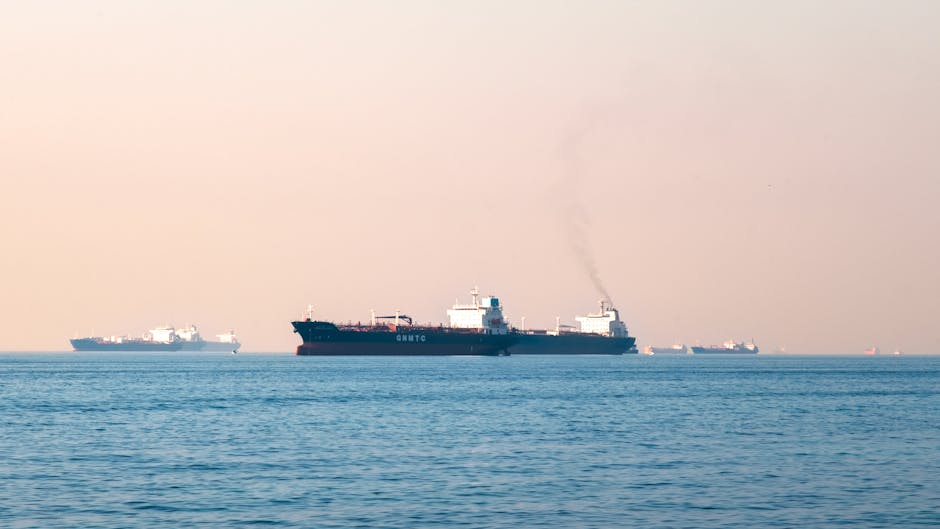
The United States has been accused of acting like a pirate nation by its own President, Donald Trump, in a shocking admission that has sparked widespread controversy and raised questions about the country’s foreign policy. The comments came as Trump defended the actions of US forces in the Strait of Hormuz, where they have been seizing Iranian oil tankers and cargo ships. The move has been seen as a provocative escalation of tensions between the two nations, which have been at odds over oil shipments and sanctions. According to reports, Trump stated that US forces are acting like pirates, taking over Iranian ships and cargo, in a bid to disrupt the country’s oil exports and exert pressure on the government.
The Strait of Hormuz: A Critical Waterway

The Strait of Hormuz is one of the most critical waterways in the world, with over 20% of global oil shipments passing through it every year. The narrow strait, which connects the Persian Gulf to the Gulf of Oman, has become a flashpoint in recent years, with the US and Iran engaging in a series of escalating confrontations. The US has accused Iran of attempting to disrupt oil shipments and has responded by increasing its military presence in the region. The move has been seen as a bid to protect US interests and maintain the free flow of oil, but it has also raised concerns about the potential for conflict and the impact on global energy markets. As tensions continue to rise, the situation in the Strait of Hormuz remains volatile, with both sides refusing to back down.
Seizure of Iranian Oil Tankers

The seizure of Iranian oil tankers by US forces has been a major point of contention in recent months, with Iran accusing the US of piracy and the US maintaining that it is acting within its rights to enforce sanctions. The US has imposed strict sanctions on Iran’s oil exports, which have had a devastating impact on the country’s economy. In response, Iran has attempted to find ways to circumvent the sanctions, including using clandestine shipping routes and disguising the origin of its oil exports. The US has responded by increasing its surveillance and intercepting Iranian oil tankers, which has led to a series of confrontations and the seizure of several ships. The move has been seen as a bid to exert pressure on Iran and force it to comply with US demands, but it has also raised concerns about the potential for conflict and the impact on global energy markets.
Analysis of the Situation
The situation in the Strait of Hormuz is complex and multifaceted, with a range of factors contributing to the escalating tensions. The US and Iran have a long history of conflict, dating back to the 1979 revolution, and the current situation is seen as a continuation of this ongoing rivalry. The US has imposed strict sanctions on Iran, which have had a devastating impact on the country’s economy, and Iran has responded by attempting to find ways to circumvent these sanctions. The seizure of Iranian oil tankers by US forces has been a major point of contention, with Iran accusing the US of piracy and the US maintaining that it is acting within its rights to enforce sanctions. As the situation continues to escalate, there are concerns about the potential for conflict and the impact on global energy markets. According to experts, the situation is likely to continue to deteriorate unless there is a significant shift in the policies of either the US or Iran.
Implications of the Conflict
The implications of the conflict in the Strait of Hormuz are far-reaching and have the potential to impact a range of countries and industries. The seizure of Iranian oil tankers by US forces has already had a significant impact on global energy markets, with oil prices rising in response to the uncertainty and volatility. The situation also has the potential to impact the global economy, with a range of countries relying on the Strait of Hormuz for their oil imports. As the situation continues to escalate, there are concerns about the potential for conflict and the impact on global energy markets. The US and Iran are key players in the global energy market, and any disruption to oil shipments has the potential to have a significant impact on the global economy.
Expert Perspectives
Experts are divided on the situation in the Strait of Hormuz, with some arguing that the US is acting within its rights to enforce sanctions and others maintaining that the seizure of Iranian oil tankers is a form of piracy. According to Dr. Sanam Vakil, a specialist in Middle East politics, the situation is complex and multifaceted, with a range of factors contributing to the escalating tensions. “The US and Iran have a long history of conflict, and the current situation is seen as a continuation of this ongoing rivalry,” she stated. “The seizure of Iranian oil tankers by US forces has been a major point of contention, with Iran accusing the US of piracy and the US maintaining that it is acting within its rights to enforce sanctions.”
As the situation continues to unfold, there are a range of questions about what the future holds for the region. Will the US and Iran be able to find a way to resolve their differences, or will the situation continue to escalate? What impact will the conflict have on global energy markets and the global economy? According to experts, the situation is likely to continue to deteriorate unless there is a significant shift in the policies of either the US or Iran. As the world watches with bated breath, one thing is certain – the situation in the Strait of Hormuz has the potential to have a significant impact on the global energy market and the global economy.