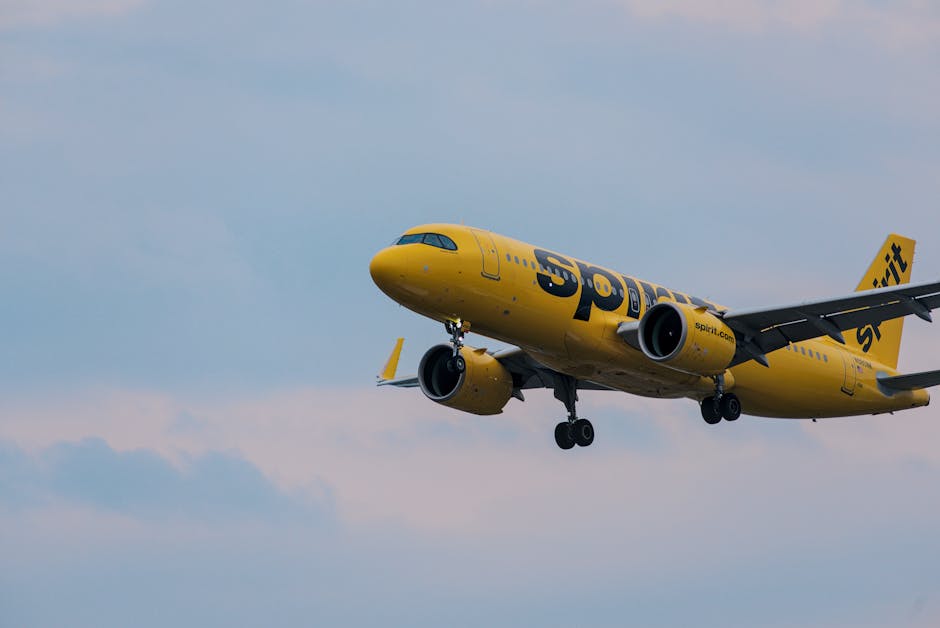
- Spirit Airlines, a pioneer in low-cost carriers, has shut down after failing to secure a bailout deal with bondholders.
- The airline’s failure highlights the challenges of operating in a highly competitive and volatile airline industry.
- Spirit’s low-fare model, which was once successful, faced increasing competition and rising fuel costs, leading to its downfall.
- The closure of Spirit Airlines could have significant consequences for the future of low-cost air travel in the US.
- Negotiations for a government-backed bailout were unsuccessful, leaving many questions about the airline’s future.
Spirit Airlines, once a pioneer in the low-cost carrier market, has shut down its operations after failing to reach a bailout deal with its bondholders. The news comes as a shock to the airline industry, with Spirit being one of the most popular discount airlines in the US. According to reports, the airline was in talks with its bondholders for a government-backed bailout, but the negotiations failed to yield a deal, ultimately leading to the airline’s demise. This development is expected to have far-reaching consequences for the airline industry, with many questioning the future of low-cost air travel.
The Rise and Fall of Spirit Airlines

The shutdown of Spirit Airlines marks the end of an era for discount travel, which has been a staple of the US airline industry for decades. Spirit Airlines was founded in 1980 and quickly gained popularity for its low fares and no-frills service. Over the years, the airline expanded its operations, adding new routes and increasing its fleet size. However, the airline faced significant challenges in recent years, including increased competition from other low-cost carriers and rising fuel costs. Despite its efforts to stay afloat, Spirit Airlines was ultimately unable to overcome these challenges, leading to its shutdown. The airline’s demise serves as a reminder of the highly competitive and volatile nature of the airline industry.
Failed Bailout Talks

The failure of Spirit Airlines to reach a bailout deal with its bondholders is a significant factor in the airline’s shutdown. According to reports, the airline was seeking a government-backed bailout to help it stay afloat, but the negotiations ultimately failed. The bondholders, who are owed millions of dollars by the airline, were unwilling to accept the terms of the proposed bailout, leading to a stalemate. The airline’s management had been working tirelessly to reach a deal, but it became clear that a resolution was unlikely. With no bailout in sight, the airline was left with no choice but to cease operations, leaving thousands of passengers stranded and hundreds of employees without jobs.
Analysis of the Airline’s Demise
The shutdown of Spirit Airlines can be attributed to a combination of factors, including increased competition, rising fuel costs, and a failure to adapt to changing market conditions. The airline industry is highly competitive, with many carriers competing for market share. Spirit Airlines, which was once a pioneer in the low-cost carrier market, failed to innovate and adapt to changing market conditions, ultimately leading to its demise. Additionally, the airline’s business model, which relied heavily on low fares and high volumes, was vulnerable to fluctuations in fuel prices and other external factors. The airline’s failure to diversify its revenue streams and reduce its dependence on low fares ultimately led to its shutdown. Experts point to the airline’s lack of investment in technology and its failure to develop a robust loyalty program as key factors in its demise.
Implications of the Shutdown
The shutdown of Spirit Airlines will have significant implications for the airline industry and the thousands of passengers who rely on the airline for travel. The airline’s demise will lead to a reduction in capacity, resulting in higher fares for passengers. Additionally, the shutdown will have a significant impact on the airline’s employees, who will be left without jobs. The airline’s closure will also have a ripple effect on the broader economy, with many businesses that rely on the airline for transportation and logistics facing significant disruptions. As the airline industry continues to evolve, it is likely that other low-cost carriers will emerge to fill the void left by Spirit Airlines, but for now, the shutdown marks a significant setback for the industry.
Expert Perspectives
Experts in the airline industry have mixed opinions on the shutdown of Spirit Airlines. Some believe that the airline’s demise was inevitable, given its failure to adapt to changing market conditions. Others point to the airline’s lack of investment in technology and its failure to develop a robust loyalty program as key factors in its shutdown. According to one expert, “The shutdown of Spirit Airlines is a reminder that the airline industry is highly competitive and that carriers must be willing to innovate and adapt to changing market conditions in order to survive.” Another expert noted that “The demise of Spirit Airlines will have significant implications for the airline industry, but it also presents opportunities for other carriers to emerge and fill the void.”
As the airline industry continues to evolve, it will be interesting to see how other low-cost carriers respond to the shutdown of Spirit Airlines. Will they be able to fill the void left by the airline, or will they face similar challenges? Only time will tell, but one thing is certain – the shutdown of Spirit Airlines marks a significant turning point in the history of the airline industry. As experts and industry insiders look to the future, one question remains: what’s next for the low-cost carrier market? The answer to this question will have significant implications for the airline industry and the thousands of passengers who rely on these carriers for travel.