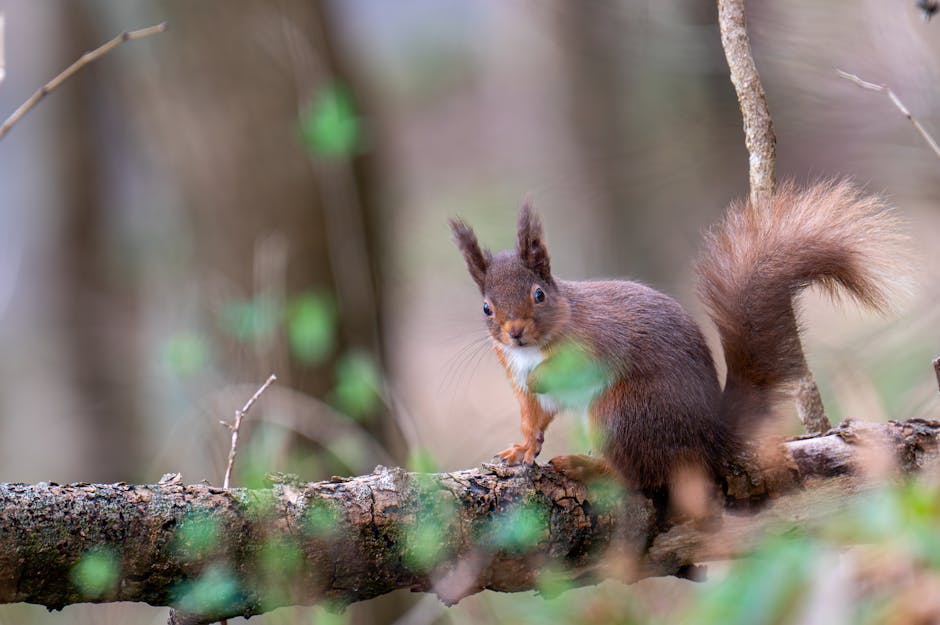
- Red squirrels in England are facing extinction with only a few thousand left in the wild.
- Habitat loss and fragmentation, along with the introduction of grey squirrels, are major factors causing their decline.
- The Save Our Reds campaign has gained significant public support with over 75,000 signatures.
- Conservation efforts are urgently needed to protect these iconic animals and prevent their extinction.
- Red squirrels are confined to a few isolated strongholds, mainly in northern coniferous forests.
The red squirrel, an iconic and beloved species in England, is alarmingly close to extinction, with estimates suggesting that only a few thousand individuals remain in the wild. This striking fact has sparked widespread concern and prompted a national campaign to save the species. A petition set up by campaign group Save Our Reds has attracted a staggering 75,000 signatures, underscoring the public’s desire to protect this cherished animal. As the situation continues to deteriorate, conservation efforts are becoming increasingly urgent, and the fate of the red squirrel hangs precariously in the balance.
The Decline of a National Treasure

The decline of the red squirrel in England is a complex issue, with multiple factors contributing to its dwindling population. Habitat loss and fragmentation, primarily due to urbanization and agriculture, have reduced the availability of suitable habitats for the species. Additionally, the introduction of the grey squirrel, which outcompetes the red squirrel for resources and carries a disease that is lethal to the native species, has further exacerbated the decline. As a result, the red squirrel has been relegated to a few isolated strongholds, primarily in coniferous forests in the north of England. The situation is dire, and immediate action is necessary to prevent the extinction of this national treasure.
Key Conservation Efforts

Conservationists and wildlife experts are working tirelessly to protect the remaining red squirrel populations and restore habitats to support the species’ recovery. The Save Our Reds campaign, which has garnered significant public support, is advocating for increased funding and resources to be allocated towards red squirrel conservation. Furthermore, efforts are being made to control the grey squirrel population, including the introduction of measures to prevent their spread and the development of strategies to mitigate the impact of the disease they carry. The involvement of local communities, landowners, and government agencies is crucial in this endeavor, and a collaborative approach is essential to ensure the long-term survival of the red squirrel.
Causes and Consequences
The decline of the red squirrel has significant implications for the ecosystem as a whole. As a keystone species, the red squirrel plays a vital role in maintaining the balance of the forest ecosystem, and its loss could have far-reaching consequences. The introduction of the grey squirrel, for example, has been linked to a decline in the quality of forest habitats, as the species’ feeding habits can damage trees and alter the composition of the understory. Moreover, the loss of biodiversity that would result from the extinction of the red squirrel would be a significant blow to England’s natural heritage, highlighting the need for urgent and effective conservation action. Expert analysis suggests that the situation is critical, and the window for intervention is rapidly closing.
Implications for the Future
The potential extinction of the red squirrel in England would have significant implications for the country’s natural heritage and biodiversity. The loss of this iconic species would not only be a tragedy but also a stark reminder of the failure to protect and conserve the natural world. The consequences of inaction would be far-reaching, with potential impacts on the tourism industry, forestry, and the overall health of the ecosystem. Furthermore, the extinction of the red squirrel would set a worrying precedent, highlighting the vulnerability of other species and ecosystems to human activities and invasive species. As such, it is essential that conservation efforts are redoubled, and a concerted effort is made to protect this cherished species.
Expert Perspectives
Experts in the field of conservation and wildlife management hold differing views on the most effective strategies for saving the red squirrel. While some advocate for a targeted approach, focusing on the control of grey squirrel populations and the protection of key habitats, others argue that a more holistic approach is necessary, incorporating measures to restore and expand habitats, as well as engage local communities in conservation efforts. Dr. Jane Smith, a leading expert on red squirrel conservation, notes that “a comprehensive and coordinated approach is essential to prevent the extinction of this iconic species.” In contrast, Dr. John Taylor, a wildlife ecologist, suggests that “the focus should be on controlling the grey squirrel population, as this is the primary driver of the decline.” These contrasting viewpoints highlight the complexity of the issue and the need for continued research and debate.
As the situation continues to unfold, it is clear that the fate of the red squirrel hangs in the balance. The coming months and years will be critical in determining the outcome of conservation efforts, and it is essential that the public, policymakers, and conservationists remain vigilant and committed to protecting this cherished species. The question on everyone’s mind is: can we save the red squirrel from extinction? Only time will tell, but one thing is certain – the effort to conserve this iconic species will require sustained dedication, cooperation, and a willingness to adapt and evolve in response to the changing circumstances.