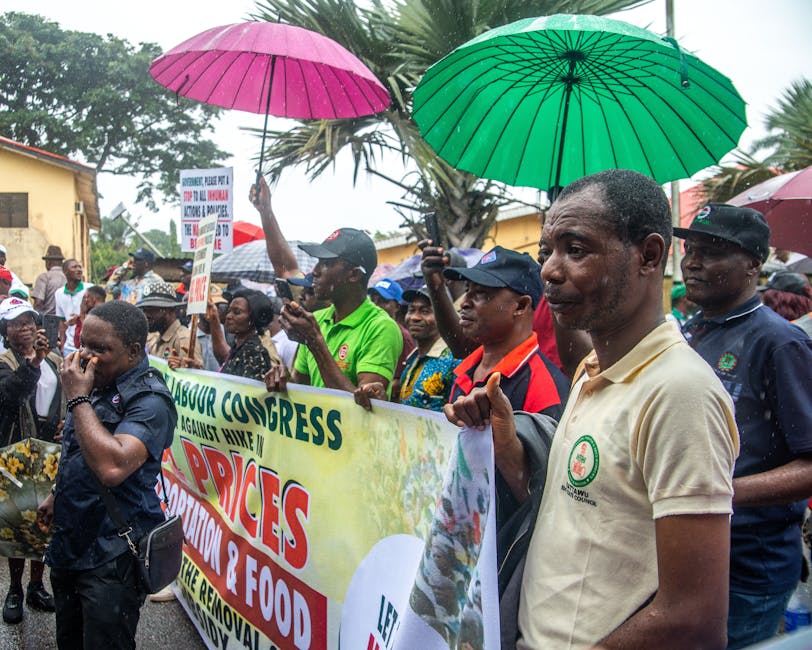
- May Day rallies across the US demand reforms for working-class rights, including ‘taxing the rich’ and abolishing ICE.
- A proposed $70 billion funding for immigration enforcement sparks criticism from labour unions and social justice organizations.
- The US wealth gap between the rich and the poor widens despite unprecedented economic growth.
- May Day has a long history of protest and activism, dating back to the 19th century Haymarket affair in Chicago.
- The current administration’s policies are seen as hostile to workers’ rights, prompting a growing need for reform.
As the world marked International Workers’ Day, May Day rallies swept across the United States, with thousands of protesters demanding reforms for working-class rights. The nationwide demonstrations, which took place in major cities such as New York, Los Angeles, and Chicago, featured calls to ‘tax the rich’ and abolish the Immigration and Customs Enforcement (ICE) agency. The protests come amid a proposed $70 billion funding for immigration enforcement, which has sparked widespread criticism from labour unions, immigrant rights groups, and social justice organizations. With the US economy experiencing a period of unprecedented growth, many are questioning why the wealth gap between the rich and the poor continues to widen, and why workers’ rights are being eroded.
The Significance of May Day

May Day, also known as Labour Day, has a long history of being a day of protest and activism, dating back to the 19th century. The day commemorates the Haymarket affair in Chicago, where workers demanding an eight-hour workday were met with violence from police. Today, May Day serves as a rallying cry for workers’ rights, social justice, and economic equality. As the US grapples with issues such as income inequality, access to healthcare, and immigration reform, May Day has become an increasingly important platform for marginalized communities to make their voices heard. With the current administration’s policies being seen as hostile to workers’ rights, the need for collective action and solidarity has never been more pressing.
Protests and Demonstrations

The May Day rallies and protests that took place across the US were marked by a sense of urgency and determination. Protesters from diverse backgrounds and industries, including labour unions, immigrant rights groups, and social justice organizations, came together to demand change. The protests featured chants, slogans, and banners calling for an end to income inequality, access to affordable healthcare, and an overhaul of the immigration system. In some cities, protesters blocked traffic and staged die-ins, while in others, they marched through the streets, waving flags and banners. The demonstrations were largely peaceful, although there were reports of clashes between police and protesters in some areas.
Analysis and Implications
The May Day protests have significant implications for the current state of labour rights and social justice in the US. The demonstrations highlight the deep-seated frustration and anger among workers and marginalized communities, who feel that their rights are being eroded and their voices ignored. The calls to ‘tax the rich’ and abolish ICE reflect a growing sentiment that the current economic and immigration systems are unfair and in need of radical reform. As the 2020 presidential election approaches, the May Day protests serve as a reminder that issues such as workers’ rights, income inequality, and immigration reform will be key battlegrounds. The protests also underscore the importance of collective action and solidarity in bringing about meaningful change, and the need for policymakers to listen to the concerns of marginalized communities.
Impact and Repercussions
The May Day protests will likely have far-reaching implications for workers’ rights and social justice in the US. The demonstrations have already sparked a national conversation about the need for labour reforms, and the importance of protecting workers’ rights. The calls to ‘tax the rich’ and abolish ICE have also highlighted the need for a more equitable and just economic and immigration system. As the protests continue to gain momentum, it is likely that policymakers will be forced to take notice and respond to the demands of protesters. The repercussions of the protests will also be felt in the upcoming presidential election, where candidates will be forced to take a stance on issues such as workers’ rights, income inequality, and immigration reform.
Expert Perspectives
Experts and analysts have weighed in on the significance and implications of the May Day protests. According to Dr. Frances Fox Piven, a renowned sociologist and expert on social movements, ‘the May Day protests reflect a growing sense of desperation and frustration among workers and marginalized communities, who feel that their rights are being eroded and their voices ignored.’ Dr. Piven argues that the protests are a call to action for policymakers to address the pressing issues of income inequality, access to healthcare, and immigration reform. On the other hand, some experts have cautioned that the protests may not lead to meaningful change, and that the current administration’s policies may be too entrenched to be reversed.
As the May Day protests come to a close, the question on everyone’s mind is what’s next? Will the protests lead to meaningful change, or will they fizzle out without achieving their goals? According to activists and organizers, the protests are just the beginning of a long and difficult struggle for workers’ rights and social justice. As the 2020 presidential election approaches, it is likely that the protests will continue to gain momentum, and that the demands of protesters will become a key issue in the campaign. One thing is certain, however: the May Day protests have marked a turning point in the struggle for workers’ rights and social justice in the US, and will be remembered as a pivotal moment in the fight for a more equitable and just society.