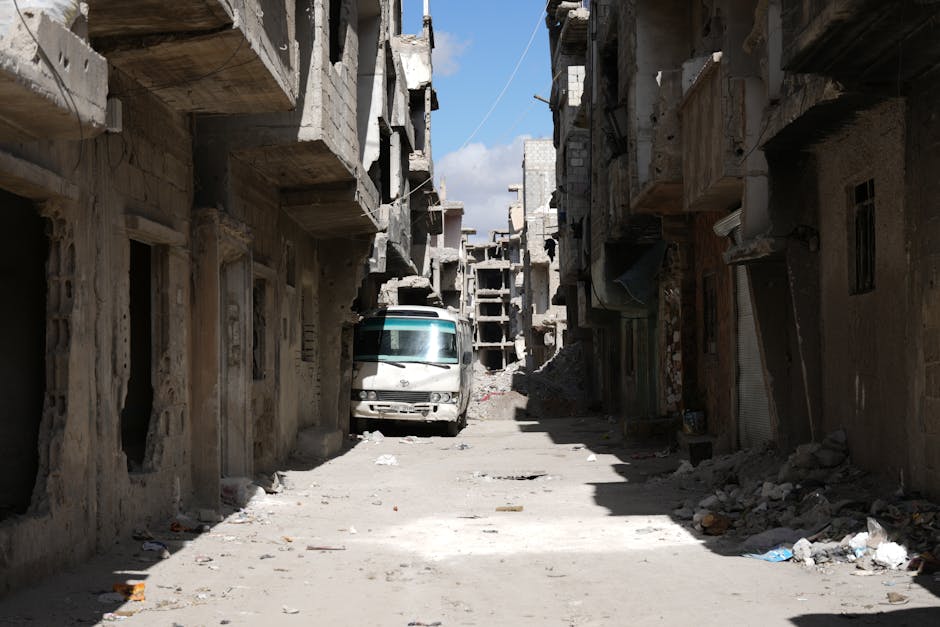
- Murder rates in Israel’s Palestinian towns have soared to unprecedented levels, with 125 Palestinians killed in 2022, a 30% increase from the previous year.
- Israel’s ‘two-tier’ policing system, which favors Jewish citizens, is blamed for creating a power vacuum in Palestinian areas, allowing crime to flourish.
- Palestinian towns face decades-long issues rooted in systemic discrimination, marginalization, and a lack of investment in essential services.
- Residents of Palestinian towns often rely on unofficial militias and vigilante groups for protection due to inadequate law enforcement.
- The situation has been exacerbated by Israel’s prioritization of Jewish citizens’ safety and security over that of Palestinians.
Israel’s Palestinian towns are grappling with a staggering crime epidemic, with murder rates soaring to unprecedented levels. In 2022, a record 125 Palestinians were killed in intra-communal violence, marking a 30% increase from the previous year. This alarming trend has sparked widespread outrage and allegations of state complicity and neglect, with many arguing that Israel’s ‘two-tier’ policing system is to blame. The system, which affords preferential treatment to Jewish citizens, has created a power vacuum in Palestinian areas, allowing criminal networks to flourish and leaving residents feeling abandoned and unprotected.
The Roots of the Crisis

The crisis in Israel’s Palestinian towns is a decades-long issue, rooted in the country’s complex and often fraught history. Since the establishment of the state in 1948, Palestinian citizens have faced systemic discrimination and marginalization, with many being relegated to second-class status. This has resulted in a lack of investment in Palestinian areas, including in essential services such as law enforcement and education. As a consequence, Palestinian towns have become hotbeds of crime and violence, with residents often forced to rely on unofficial militias and vigilante groups for protection. The situation has been exacerbated by Israel’s ‘two-tier’ policing system, which prioritizes the safety and security of Jewish citizens over that of Palestinians.
Key Players and Events

The recent surge in crime and violence in Israel’s Palestinian towns has been marked by a number of high-profile incidents, including the murder of a prominent Palestinian businessman and the attempted assassination of a leading Arab Israeli politician. These events have sparked widespread condemnation and calls for action, with many arguing that the Israeli government must take responsibility for the crisis and work to address the root causes of the violence. Key players in the crisis include the Israeli police, who have been accused of neglecting their duties in Palestinian areas, and the Palestinian leadership, who have been criticized for their inability to effectively address the issue. International organizations, including the United Nations, have also weighed in on the crisis, calling for an end to the violence and for greater investment in Palestinian areas.
Analysis and Data
An analysis of the data reveals a stark picture of inequality and neglect in Israel’s Palestinian towns. According to a recent report by the Israeli human rights organization, Adalah, the murder rate in Palestinian areas is five times higher than in Jewish areas. The report also found that the Israeli police are more likely to respond to incidents of violence in Jewish areas, with a response time of just 10 minutes, compared to 30 minutes in Palestinian areas. This disparity in policing has created a sense of mistrust and disillusionment among Palestinian citizens, who feel that their lives are not valued or protected by the state. Experts argue that the crisis is a result of a combination of factors, including poverty, lack of opportunities, and a lack of effective governance, all of which are exacerbated by the ‘two-tier’ policing system.
Implications and Consequences
The implications of the crime epidemic in Israel’s Palestinian towns are far-reaching and devastating. The violence has resulted in the loss of countless lives, with many more injured or traumatized. The crisis has also had a profound impact on the social and economic fabric of Palestinian communities, with many businesses and families forced to flee or abandon their homes. The situation has also fueled tensions between Palestinian and Jewish citizens, with many on both sides calling for greater action to address the crisis. The Israeli government has faced international criticism for its handling of the situation, with many arguing that the ‘two-tier’ policing system is a form of apartheid. As the crisis deepens, it is clear that urgent action is needed to address the root causes of the violence and to ensure that all citizens, regardless of their background or ethnicity, are afforded equal protection and justice.
Expert Perspectives
Experts are divided on the best course of action to address the crisis in Israel’s Palestinian towns. Some argue that the Israeli government must take immediate action to increase policing and investment in Palestinian areas, while others believe that a more fundamental transformation of the ‘two-tier’ system is needed. According to Dr. Nadim Rouhana, a leading expert on Israeli-Palestinian relations, ‘the crisis in Palestinian towns is a symptom of a broader problem of systemic inequality and discrimination. To address the crisis, we need to address the root causes of the violence, including poverty, lack of opportunities, and a lack of effective governance.’ Others, such as Israeli politician, Ayman Odeh, argue that the solution lies in greater autonomy and self-governance for Palestinian communities, allowing them to take control of their own affairs and to address the crisis in a more effective and sustainable way.
As the situation continues to unfold, it is clear that the crisis in Israel’s Palestinian towns will be a major challenge for the Israeli government and for the international community. The question on everyone’s mind is what the future holds for these embattled communities and whether a solution can be found to the seemingly intractable problem of violence and inequality. One thing is certain, however: the status quo is unsustainable, and urgent action is needed to address the crisis and to ensure that all citizens, regardless of their background or ethnicity, are afforded equal protection, justice, and opportunity.