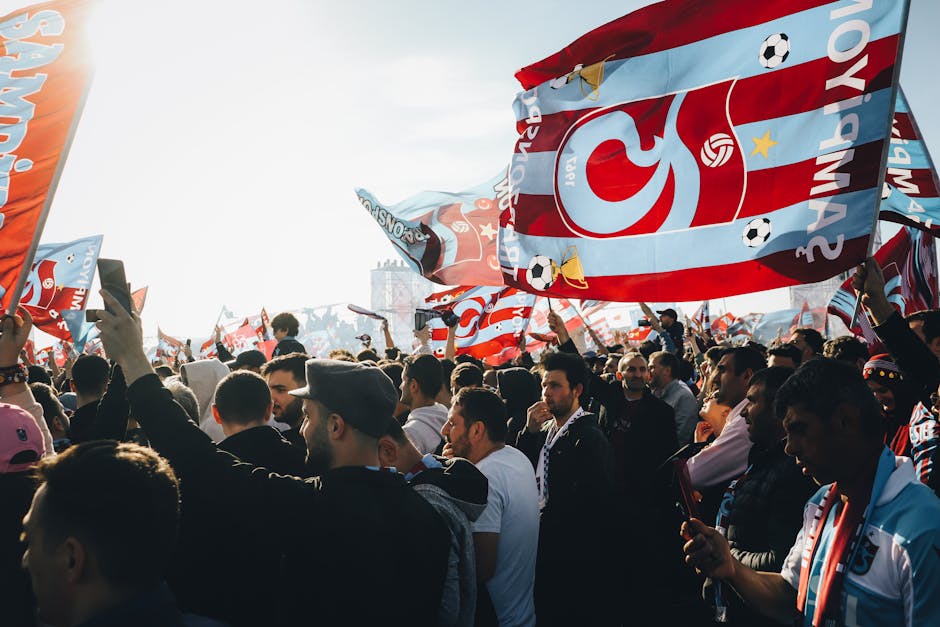
- Cuba’s May Day march in Havana drew hundreds of thousands, symbolizing national pride and defiance against US sanctions.
- The event marked a significant year in US-Cuba relations, with escalating tensions and new travel and economic restrictions.
- May Day in Cuba is not just about workers’ rights but also a celebration of the nation’s sovereignty and independence.
- US sanctions aim to tighten the economic pressure on Cuba, while the Cuban government accuses the US of undermining its economy.
- Cuban citizens are marching to assert their nation’s resilience and to counteract the US’s efforts to weaken the country.
Cuba’s streets were filled with vibrant colors and lively music as the country celebrated International Workers’ Day, also known as May Day, with a massive march in Havana. The event, which drew hundreds of thousands of participants, was a striking display of national pride and defiance in the face of escalating tensions with the United States. As the crowds waved flags and banners, they were also aware of the looming threat of further US sanctions, which were announced on the same day, aiming to tighten the economic screws on the island nation.
Background to the Celebrations

The May Day celebrations in Cuba are an annual tradition, dating back to the early years of the revolution. However, this year’s event took on a special significance, given the increasingly fraught relations between Cuba and the United States. The Trump administration has been ramping up pressure on the island, imposing new travel restrictions, limiting remittances, and tightening sanctions on Cuban entities. The Cuban government has responded by accusing the US of attempting to strangle the economy and undermine the country’s sovereignty. As the crowds marched through the streets, they were not just celebrating workers’ rights, but also asserting their nation’s independence and resilience in the face of external pressure.
The March and Its Significance

The May Day march in Havana was a grand affair, with participants from all walks of life, including workers, students, and members of the military. The event was led by Cuban President Miguel Díaz-Canel, who waved to the crowds from an open-top vehicle, flanked by other senior government officials. The marchers carried banners and placards, many of which denounced US aggression and called for an end to the embargo. Others highlighted the achievements of the Cuban revolution, including the country’s free healthcare and education systems. As the procession made its way through the city, it was accompanied by music, dance, and cheering, creating a carnival-like atmosphere that belied the underlying tensions with the US.
US Sanctions and Their Impact
The US sanctions announced on May Day are the latest in a series of measures aimed at crippling the Cuban economy. The new restrictions target the country’s tourism industry, limiting American citizens’ ability to visit the island and imposing fines on companies that facilitate such travel. The sanctions also aim to prevent Cuba from accessing international credit and restrict the flow of remittances from Cuban-Americans to their families on the island. According to experts, these measures could have a devastating impact on Cuba’s economy, which is already struggling due to a combination of internal inefficiencies and external factors, such as the decline in Venezuelan oil shipments. As the Cuban government scrambles to respond to the new sanctions, there are fears that the country may be forced to implement austerity measures, which could further exacerbate social and economic tensions.
Implications for Cuba and the Region
The escalating tensions between Cuba and the US have significant implications for the island nation and the wider region. As the US sanctions begin to bite, Cuba may be forced to rely even more heavily on its allies, such as Russia, China, and Venezuela, which could lead to a further polarization of the region. The sanctions could also have a negative impact on US businesses, which have been investing in Cuba’s tourism and telecoms sectors, and could lead to a decline in people-to-people exchanges between the two nations. Furthermore, the tensions between Cuba and the US could have a destabilizing effect on the region, particularly if other countries, such as Mexico and Canada, begin to take sides. As the situation continues to unfold, there are fears that the region could be plunged into a new era of Cold War-style tensions, with far-reaching consequences for trade, security, and human rights.
Expert Perspectives
Experts are divided on the impact of the US sanctions on Cuba, with some arguing that they will have a limited effect, given the island’s history of resilience and adaptability. Others, however, warn that the sanctions could have a devastating impact, particularly if they are combined with other forms of external pressure, such as a decline in international oil prices. According to Dr. Emily Morris, a Cuba expert at the University of London, ‘the sanctions are a significant escalation of US policy, but they are unlikely to achieve their stated goal of regime change.’ Instead, she argues, the sanctions will likely strengthen the Cuban government’s position, at least in the short term, as the population rallies around the flag in the face of external aggression.
As the situation in Cuba continues to evolve, there are many open questions about what the future holds for the island nation. Will the US sanctions achieve their intended goal of weakening the Cuban government, or will they simply strengthen the country’s resolve and increase its dependence on external allies? How will the international community respond to the escalating tensions between Cuba and the US, and what role will regional players, such as Mexico and Canada, play in mediating the conflict? As the world watches with bated breath, one thing is certain: the fate of Cuba and the future of US-Cuba relations hang in the balance, with far-reaching implications for the region and the world.