- Markets have surprisingly shown a muted response to the surge in oil prices to $110 per barrel.
- The reaction is unusual, given historically, such a significant increase would trigger fears of inflation and recession.
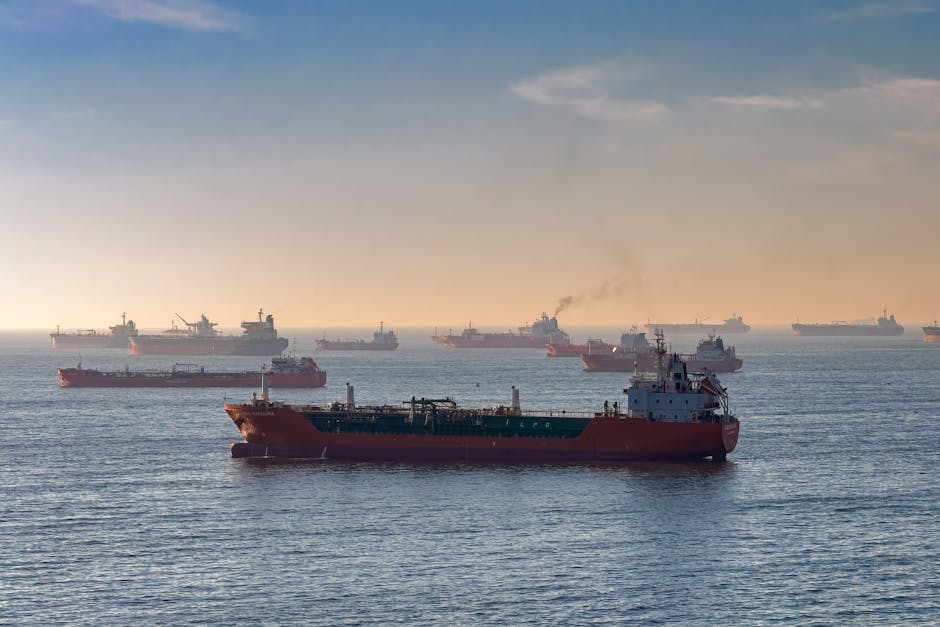
- The Strait of Hormuz, a critical waterway for global oil trade, is a key factor behind the market’s calm.
- The ongoing Ukraine-Russia conflict has raised concerns about the security of oil supplies, but markets remain sanguine.
- Investors are taking a wait-and-see approach, awaiting signs of disruptions to the oil trade before reacting.
The recent surge in oil prices to $110 per barrel has raised eyebrows, but what’s even more surprising is the muted response from markets. Historically, such a significant increase in oil prices would have sent shockwaves through the economy, triggering fears of inflation, recession, and market volatility. However, this time around, the reaction has been surprisingly subdued, with investors and economists alike seeming to shrug off the price hike. This paradox has left many wondering what’s behind this unusual calm and whether it’s a sign of a more resilient market or a cause for concern.
The Strategic Importance of the Strait of Hormuz

The Strait of Hormuz, a critical waterway connecting the Persian Gulf to the Gulf of Oman, is a major chokepoint for global oil trade. Approximately 20% of the world’s oil passes through this narrow strait, making it a vital artery for the global economy. The recent tensions in the region, coupled with the ongoing Ukraine-Russia conflict, have raised concerns about the security of oil supplies and the potential for disruptions. Despite these concerns, markets have remained remarkably sanguine, with many investors taking a wait-and-see approach. This background of geopolitical uncertainty and market complacency sets the stage for understanding the Hormuz paradox.
Key Factors Behind the Paradox

Several key factors are contributing to the market’s shrugging off of $110 oil. Firstly, the rise in oil prices has been gradual, giving investors time to adjust to the new reality. Secondly, the global economy has become more resilient to oil price shocks, with many countries diversifying their energy sources and improving their energy efficiency. Additionally, the emergence of shale oil production in the United States has reduced the country’s dependence on imported oil, providing a cushion against price volatility. Finally, the ongoing pandemic has led to a shift in consumer behavior, with many people reducing their energy consumption and altering their spending habits. These factors have combined to reduce the impact of high oil prices on the market.
Analysis of the Paradox
An analysis of the Hormuz paradox reveals a complex interplay of factors, including geopolitical tensions, market dynamics, and economic fundamentals. On one hand, the tensions in the Strait of Hormuz and the ongoing conflict in Ukraine have created uncertainty and raised concerns about the security of oil supplies. On the other hand, the market’s response has been muted, with investors seemingly pricing in the risks and taking a long-term view. The data suggests that the global economy is becoming more resilient to oil price shocks, with the impact of high oil prices on inflation and growth reducing over time. Expert opinions on the matter are divided, with some warning of a potential market correction and others seeing the current prices as a new normal.
Implications of the Paradox
The implications of the Hormuz paradox are far-reaching, with potential consequences for investors, consumers, and policymakers. For investors, the paradox highlights the importance of taking a long-term view and diversifying portfolios to mitigate the impact of oil price volatility. For consumers, the high oil prices will likely lead to increased energy costs, which could affect spending habits and economic growth. For policymakers, the paradox underscores the need for a coordinated response to address the geopolitical tensions and ensure the security of oil supplies. As the situation continues to evolve, it’s essential to monitor the market’s response and adjust strategies accordingly.
Expert Perspectives
Experts are divided on the Hormuz paradox, with some warning of a potential market correction and others seeing the current prices as a new normal. According to Dr. Fatih Birol, Executive Director of the International Energy Agency, “the market’s response to high oil prices has been surprisingly muted, but this doesn’t mean that the risks have disappeared.” On the other hand, Mr. Daniel Yergin, a leading energy expert, notes that “the global economy has become more resilient to oil price shocks, and the market’s reaction reflects this new reality.” These contrasting viewpoints highlight the complexity of the issue and the need for ongoing analysis and debate.
Looking ahead, the key question is what will happen next. Will the market continue to shrug off high oil prices, or will the tensions in the Strait of Hormuz and the ongoing conflict in Ukraine eventually take their toll? As the situation continues to evolve, investors, policymakers, and consumers will need to remain vigilant and adapt to the changing landscape. One thing is certain – the Hormuz paradox has highlighted the complexity and interconnectedness of the global economy, and its implications will be felt for a long time to come.