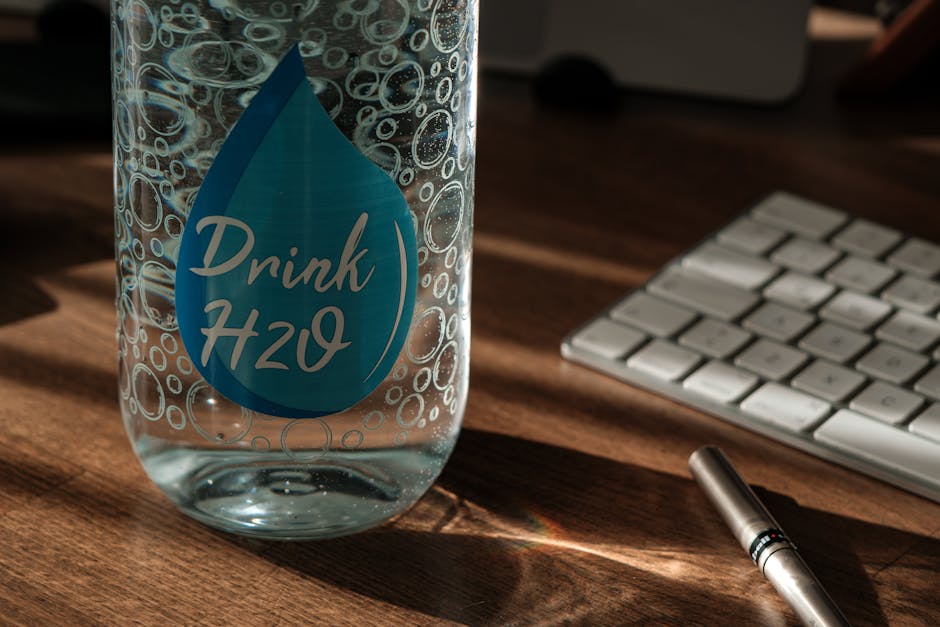
Staying hydrated is essential for our bodies to function properly, yet many of us are misinformed about the best ways to do so. In fact, a staggering 75% of Americans experience dehydration on a daily basis, with some estimates suggesting that even mild dehydration can cause a 12% decrease in productivity. With so much misinformation circulating, it’s time to set the record straight. Physiologist Tamara Hew-Butler is here to debunk the most common hydration myths and provide us with a clearer understanding of what our bodies really need.
The Origins of Hydration Misconceptions

The idea that we need to drink eight glasses of water a day has been deeply ingrained in our culture, but where did this notion come from? As it turns out, there is no scientific basis for this claim. The concept originated from a 1945 report from the Food and Nutrition Board of the National Academy of Sciences, which recommended that adults consume about 2.5 liters of water daily. However, this report also noted that a significant amount of this water can come from food, not just plain water. Despite this clarification, the myth has persisted, leading many to believe that they need to drink eight glasses of water a day to stay healthy. With the rise of the sports drink industry, new myths have emerged, leaving many of us wondering what to believe.
Myth-Busting with Expert Insights

According to Tamara Hew-Butler, one of the most pervasive myths is that sports drinks are necessary for replenishing electrolytes after exercise. While it’s true that electrolytes are lost through sweat, the average person doesn’t need a sports drink to replenish them. In fact, most people can get all the electrolytes they need from a balanced diet. Another myth is that caffeinated beverages dehydrate us, when in reality, the diuretic effect of caffeine is often offset by the amount of water in the beverage itself. By examining the science behind these claims, we can begin to separate fact from fiction and develop a more nuanced understanding of our hydration needs.
Unpacking the Science of Hydration
So, what does the science say about hydration? Research has shown that even mild dehydration can have significant effects on our cognitive function and athletic performance. However, the amount of water we need can vary greatly depending on factors such as climate, activity level, and individual characteristics. For example, athletes may require more water to replenish lost fluids, while older adults may need to drink more water due to decreased thirst sensation. By considering these factors and listening to expert advice, we can develop personalized hydration strategies that meet our unique needs. With a better understanding of the science, we can move beyond simplistic myths and develop a more informed approach to staying hydrated.
Real-World Implications of Hydration Myths
The implications of these myths can be far-reaching, affecting not only our individual health but also our environment and economy. For instance, the unnecessary consumption of bottled water and sports drinks contributes to plastic waste and unnecessary expense. Furthermore, the over-reliance on these products can lead to an imbalance of essential nutrients and electrolytes in our bodies. By recognizing the myths and misconceptions surrounding hydration, we can make more informed choices about our fluid intake and reduce our environmental footprint. As we move forward, it’s essential to consider the broader implications of our hydration habits and strive for a more sustainable and healthy approach.
Expert Perspectives
Tamara Hew-Butler emphasizes the importance of listening to our bodies and drinking when we’re thirsty, rather than adhering to a strict hydration schedule. In contrast, some experts argue that certain individuals, such as athletes or those living in hot climates, may require more structured hydration plans. While there may be differing opinions on the best approach to hydration, one thing is clear: a one-size-fits-all solution is not the answer. By considering multiple perspectives and evaluating the evidence, we can develop a more comprehensive understanding of hydration and make informed decisions about our health.
As we look to the future, one question remains: how can we promote a culture of informed hydration? By educating ourselves and others about the myths and misconceptions surrounding hydration, we can work towards a healthier and more sustainable relationship with water. Whether through individual actions or larger-scale initiatives, it’s time to take a closer look at our hydration habits and strive for a better understanding of what our bodies really need. With expert guidance and a commitment to science-based information, we can unlock a brighter, healthier future – one hydration choice at a time.