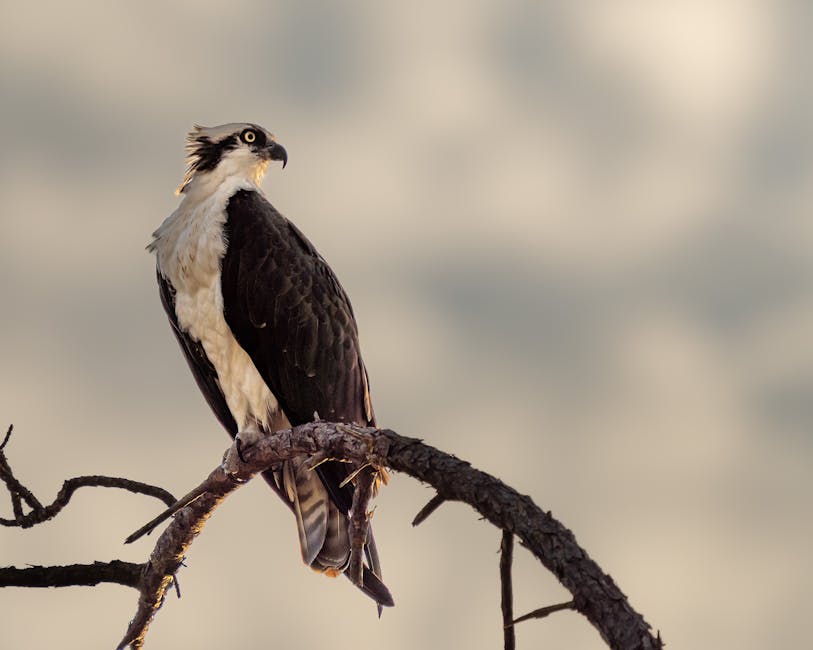
- Osprey reintroduction in Dorset involved ‘tricking’ birds into breeding by convincing them they were native to the area.
- Conservationists transported ospreys from other parts of the country to reintroduce the species to Dorset.
- The reintroduction of ospreys in Dorset is a model for conservation efforts worldwide, highlighting the importance of creative thinking.
- The project required careful planning, collaboration, and a deep understanding of the birds’ behavior and habitat needs.
- Ospreys have thrived in Dorset, with multiple breeding pairs calling the area home after a 200-year absence.
The reintroduction of ospreys to Dorset is a striking conservation success story, with the birds of prey thriving in their new habitat after a 200-year absence. One of the key factors in this success was convincing the ospreys that they had been born in Dorset, a tactic that has paid off with multiple breeding pairs now calling the area home. This innovative approach to wildlife conservation has significant implications for the long-term survival of the species and highlights the importance of creative thinking in conservation efforts. With osprey numbers on the rise, the program is being hailed as a model for reintroduction initiatives around the world. The story of how ospreys were ‘tricked’ into breeding in Dorset is a fascinating one, involving careful planning, meticulous execution, and a deep understanding of the birds’ behavior.
Reintroduction Background

The reintroduction of ospreys to Dorset was a long-term project that required careful planning and collaboration between conservationists, wildlife experts, and local authorities. The osprey, a fish-eating bird of prey, had been extinct in Dorset for over 200 years due to habitat loss, hunting, and other human activities. However, with the improvement of environmental conditions and the protection of natural habitats, the time was ripe for the reintroduction of the species. The project involved transporting ospreys from other parts of the country and releasing them in Dorset, where they would be encouraged to breed and establish a new population. The success of the project relied on creating a suitable environment for the ospreys, including the provision of nesting sites, food sources, and protection from predators and human disturbance.
Key Conservation Details

The reintroduction program involved a range of activities, including the transportation of ospreys from other parts of the country, the creation of artificial nesting sites, and the provision of food sources. The ospreys were ‘tricked’ into thinking they had been born in Dorset by placing them in nests with dummy eggs and allowing them to imprint on the area. This technique, known as ‘hacking,’ involved keeping the ospreys in a controlled environment until they were old enough to fly and hunt on their own. The program also involved the collaboration of local communities, who were educated about the importance of osprey conservation and the need to protect the birds and their habitats. The results of the program have been impressive, with multiple breeding pairs now established in Dorset and the population expected to continue growing in the coming years.
Analysis of Conservation Efforts
The success of the osprey reintroduction program in Dorset can be attributed to a range of factors, including the careful planning and execution of the project, the collaboration of local communities, and the provision of a suitable environment for the birds. The use of ‘hacking’ to encourage the ospreys to imprint on the area was a key factor in the success of the program, as it allowed the birds to become familiar with their new surroundings and to establish a strong bond with the area. The program also highlights the importance of conservation efforts in protecting biodiversity and ecosystems. The osprey is an apex predator and plays a crucial role in maintaining the balance of ecosystems, and its reintroduction to Dorset has significant implications for the local environment. The success of the program also demonstrates the value of creative thinking in conservation efforts, as the use of ‘hacking’ to reintroduce the ospreys was an innovative approach that paid off.
Implications for Biodiversity
The reintroduction of ospreys to Dorset has significant implications for biodiversity in the area, as the birds play a crucial role in maintaining the balance of ecosystems. The osprey is an apex predator and feeds on fish, which helps to regulate the fish population and maintain the health of aquatic ecosystems. The presence of ospreys in Dorset also has implications for other species, as the birds help to maintain the balance of ecosystems and prevent any one species from dominating. The success of the reintroduction program also highlights the importance of conservation efforts in protecting biodiversity and ecosystems, and demonstrates the value of creative thinking in conservation initiatives. The program is expected to have a positive impact on the local environment, and the osprey population is expected to continue growing in the coming years.
Expert Perspectives
Experts in the field of conservation have hailed the osprey reintroduction program in Dorset as a success, citing the innovative approach used to encourage the birds to breed in the area. The use of ‘hacking’ to imprint the ospreys on the area was a key factor in the success of the program, and demonstrates the value of creative thinking in conservation efforts. However, some experts have also raised concerns about the potential impact of the osprey population on other species in the area, and have highlighted the need for ongoing monitoring and management of the population to ensure that it remains sustainable. Despite these concerns, the reintroduction program is widely regarded as a success, and is expected to have a positive impact on biodiversity in the area.
Looking to the future, the osprey reintroduction program in Dorset is expected to continue growing, with the population expected to expand in the coming years. The program will require ongoing monitoring and management to ensure that it remains sustainable, and to mitigate any potential impacts on other species in the area. However, the success of the program demonstrates the value of conservation efforts in protecting biodiversity and ecosystems, and highlights the importance of creative thinking in conservation initiatives. As the osprey population continues to grow, it is likely to have a positive impact on the local environment, and to provide a valuable example of the importance of conservation efforts in protecting wildlife and ecosystems.