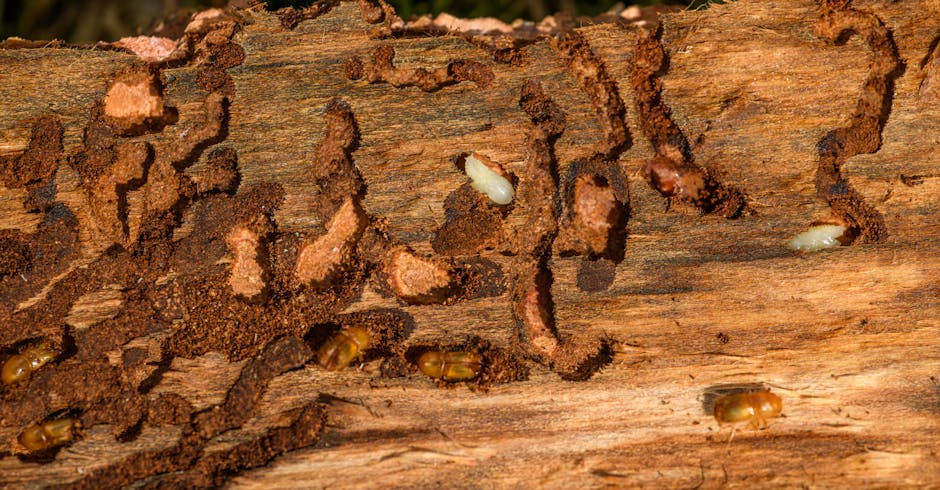
- Rising temperatures are expanding the habitats of forest pests, allowing them to thrive in previously inhospitable areas.
- Climate change is altering the delicate balance of forest ecosystems, making trees more susceptible to attack.
- The alarming rate of forest pest damage is having far-reaching consequences for the environment and the economy.
- Widespread tree mortality, decreased biodiversity, and disruptions to ecosystem services are potential consequences of inaction.
- Understanding the factors contributing to forest pest damage is essential to developing effective strategies to mitigate its effects.
The alarming rate at which forest pests are damaging trees in US woodlands has reached unprecedented levels, with certain insects and fungi causing the most harm in areas where maximum temperatures during the warmest months are increasing. A recent study published in Nature has shed light on this disturbing trend, highlighting the devastating impact of rising temperatures on forest ecosystems. The research reveals that the damage caused by these pests is not only harming the trees but also having far-reaching consequences for the environment and the economy. With the number of affected trees on the rise, it is essential to understand the factors contributing to this phenomenon and to develop effective strategies to mitigate its effects.
Understanding the Threat

The threat posed by forest pests is not a new phenomenon, but the current situation is particularly dire due to the rapidly changing climate. As temperatures rise, the habitats of these pests are expanding, allowing them to thrive in areas that were previously inhospitable. The warming climate is also altering the delicate balance of forest ecosystems, making trees more susceptible to attack. The consequences of inaction will be severe, with the potential for widespread tree mortality, decreased biodiversity, and disruptions to ecosystem services. It is crucial that policymakers, forestry professionals, and the general public are aware of the gravity of the situation and work together to address this pressing issue.
Key Factors Contributing to the Problem

The study identified several key factors contributing to the increased damage caused by forest pests. One of the primary factors is the rise in maximum temperatures during the warmest months, which is altering the distribution and prevalence of these pests. Additionally, the increasing frequency and severity of droughts and heatwaves are weakening trees, making them more vulnerable to attack. The research also highlighted the importance of understanding the complex relationships between trees, pests, and the environment, as well as the need for a comprehensive approach to managing forest ecosystems. By addressing these factors and developing effective management strategies, it may be possible to reduce the impact of forest pests and promote the long-term health and resilience of US woodlands.
Analyzing the Consequences
The consequences of the increasing damage caused by forest pests are far-reaching and have significant implications for the environment, the economy, and human health. The loss of trees can lead to soil erosion, decreased air and water quality, and the release of stored carbon into the atmosphere, exacerbating climate change. Furthermore, the economic impacts of tree mortality can be substantial, affecting industries such as forestry, tourism, and recreation. The study’s findings also have important implications for forest management practices, highlighting the need for a more nuanced and adaptive approach to addressing the complex challenges posed by forest pests. By analyzing the consequences of this phenomenon and understanding the underlying factors, it is possible to develop effective solutions and promote the sustainable management of US woodlands.
Implications for the Future
The implications of the rising damage caused by forest pests are profound, with significant consequences for the health and resilience of US woodlands. The study’s findings suggest that the problem is likely to worsen in the coming years, as temperatures continue to rise and the climate becomes increasingly unstable. It is essential that policymakers, forestry professionals, and the general public take immediate action to address this issue, through the development of effective management strategies, the promotion of sustainable forestry practices, and the support of research into the complex relationships between trees, pests, and the environment. By working together, it may be possible to mitigate the effects of forest pests and ensure the long-term health and resilience of US woodlands.
Expert Perspectives
Experts in the field of forestry and ecology have weighed in on the issue, offering contrasting viewpoints on the best approach to addressing the problem. Some argue that a more aggressive management strategy is needed, involving the widespread use of pesticides and other control measures. Others advocate for a more nuanced approach, focusing on the promotion of sustainable forestry practices, the preservation of biodiversity, and the support of research into the complex relationships between trees, pests, and the environment. As the situation continues to evolve, it is likely that a combination of these approaches will be needed, incorporating the latest scientific research and technological innovations to develop effective solutions.
Looking to the future, there are many open questions regarding the impact of forest pests on US woodlands. How will the situation evolve in the coming years, and what strategies will be most effective in addressing the problem? What role will emerging technologies, such as drone surveillance and genetic engineering, play in the management of forest ecosystems? As researchers, policymakers, and forestry professionals continue to grapple with these questions, one thing is clear: the need for urgent action to address the rising damage caused by forest pests and promote the long-term health and resilience of US woodlands.